

‘The Poetry Project’ supports youth with refugee background to express experiences through poetry
‘The Poetry Project’ supports youth with refugee background to express experiences through poetry as featured on Double Dutch magazine!
Click on the image to go to the website!
The Poetry Project is an innovative literary dialogue project that supports young people with refugee backgrounds as they express their experiences through poetry. The project specifically uses the poetic form to express and preserve feelings and stories in verse. Things that seem unspeakable at first are transformed into an artistic dialogue; conversely, things that once seemed “foreign” become more familiar. To the Poems →

Yasser Niksada was 13 years old when he came to Germany. He’s originally from the Panjshir Valley in Afghanistan, but his family fled from the Taliban to Tehran when he was still a small child. His parents saw no prospects for the young Yasser in Iran and sent him to Europe on his own.
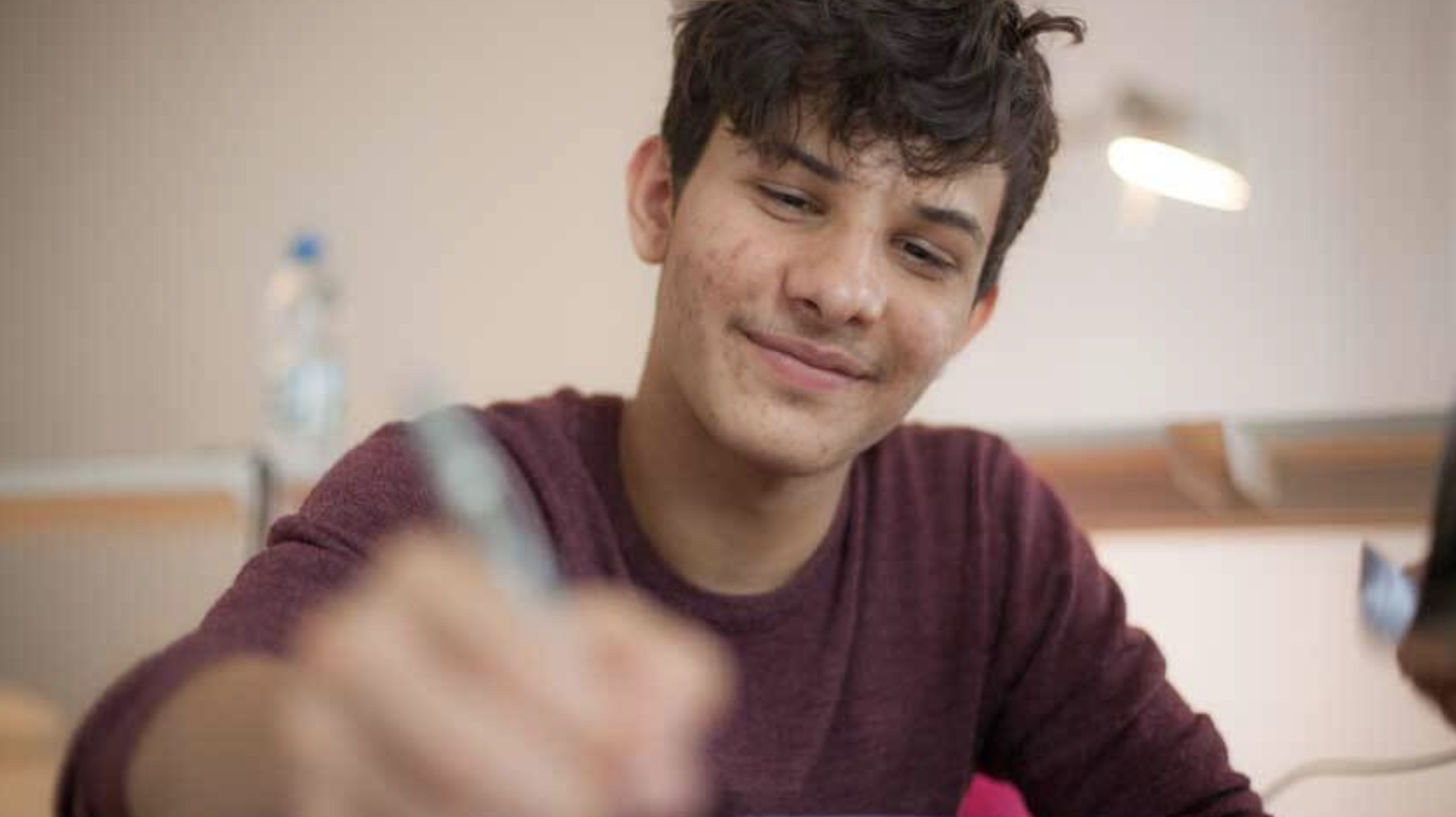
Image: © Rottkay
Barely a year later, Yasser wrote his first poem, “Traces,” about his experiences on the run. "I suppressed some of the things that happened on the way. They only come up again now through writing, and that’s a form of closure," he said in an interview with ZDF tivi in 2017. "Someone who grew up in security and prosperity can't understand that. But if you explain it, for example in a poem, people might think about what would happen if they were to suffer the same fate: war, desolation, or hopelessness. Then they can relate to it and understand it better."
In Iran, as in Afghanistan, poetry plays an important role, as project founder and SPIEGEL foreign correspondent Susanne Koelbl has repeatedly observed on her journalistic travels. Feelings and stories are preserved in verses and are recited in everyday situations—whether at dinner, during a taxi ride, or while shopping. The Poetry Project is built on this narrative tradition, which thrives on a special linguistic density and emotional depth. Things that at first may seem unspeakable are thus transformed into an artful dialogue; conversely, understanding is fostered for what initially appears “foreign.”

From 2017 to 2019, The Poetry Project was supported by the Federal Ministry for Family Affairs, Senior Citizens, Women and Youth, as part of the federal program “Demokratie leben!” (Living Democracy!), and by the Bundeszentrale für politische Bildung with the project “Flucht und Ankunft” (Flight and Arrival).
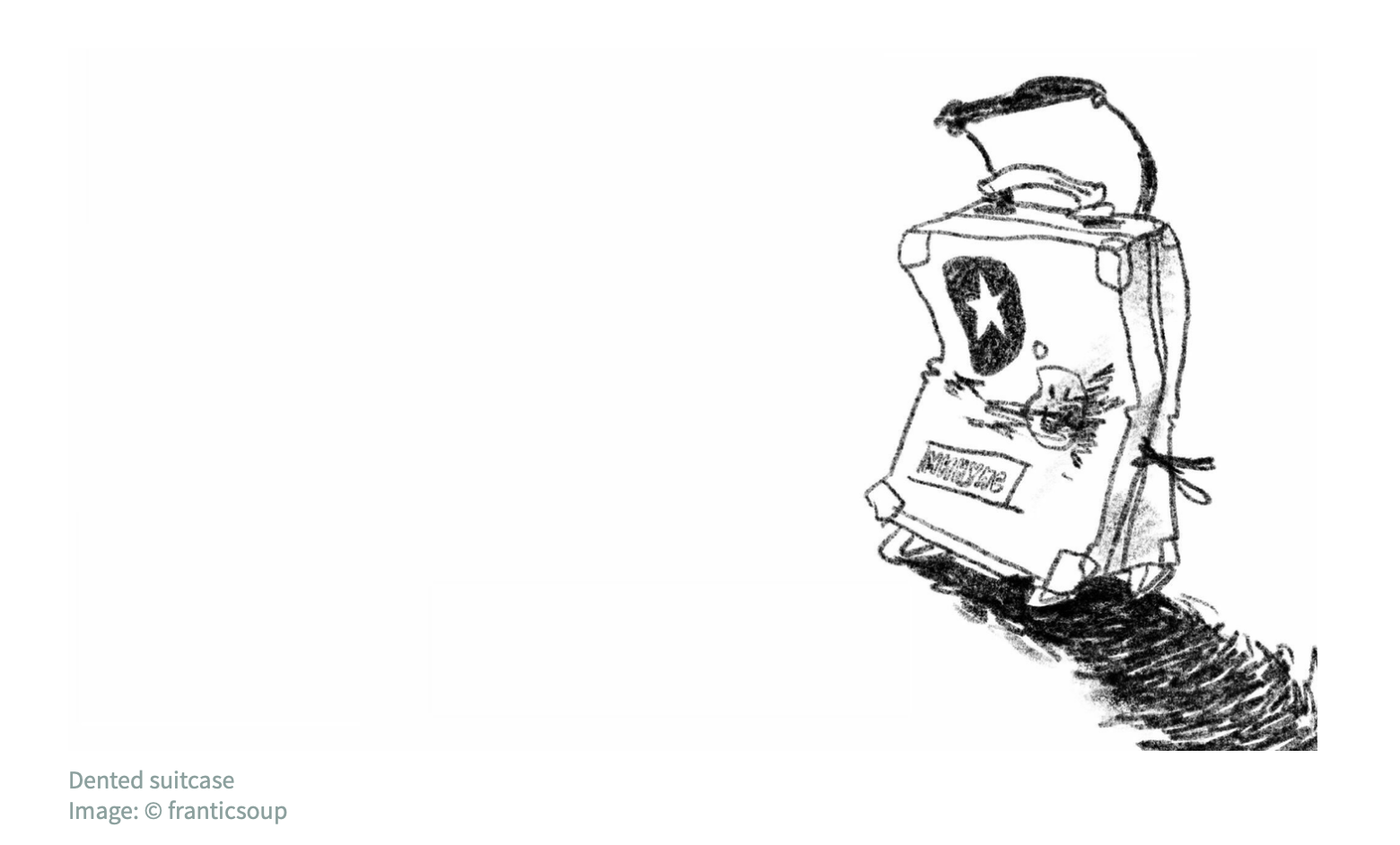
Throughout Germany, young people with and without a refugee background met regularly with workshop leaders and translators to write poetry. In all, around 750 writers got together and wrote thousands of poems. The idea came from project founder Susanne Koelbl, who repeatedly experienced the power of poetry during her work as a SPIEGEL foreign correspondent in countries such as Afghanistan and Iran. She encountered poetry in all kinds of everyday situations, whether in a cab or over dinner, and was able to give space to emotions that would otherwise not find expression. Berlin artist Rottkay provided photography and visual design for the project, while Theresa Rüger took on organizational and literary management.
The young poets wrote in their native languages about subjects that affect us all. About what they’ve experienced, their expectations, how they imagine their future to be. About foreignness and longing, about hope and love, and contemporary politics.
Their works were presented at the end of each workshop day, with the whole group working together to find the best-fitting translation for a particular passage, word, or term. These were wonderful moments of mutual recognition which we hoped to bring to the public. The poems that were drafted in our workshops were presented at readings and festivals, in magazines, radio reports, in plays and in films, so that the ongoing intercultural dialogue could include as many people as possible even beyond the project’s duration.
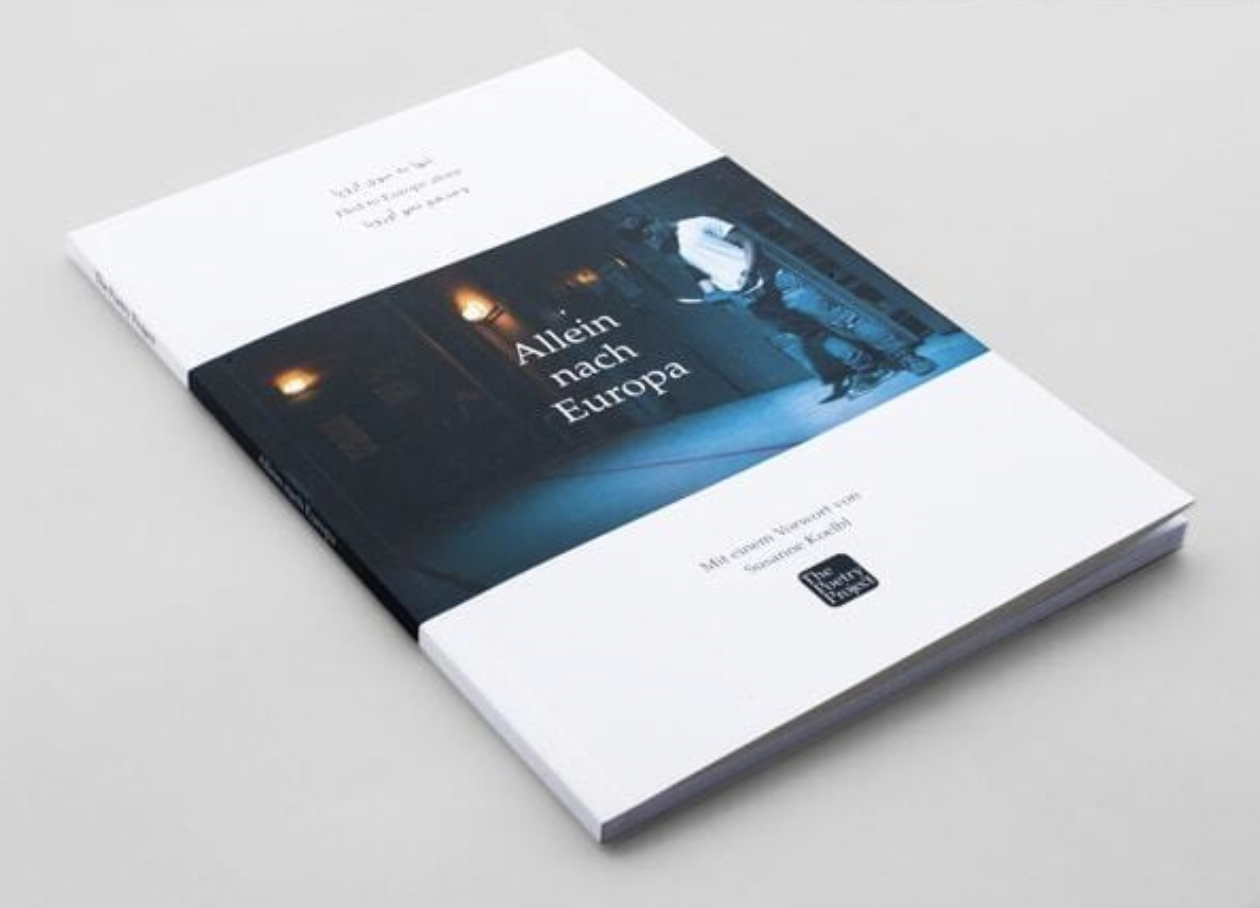
The first volume of poetry was published along with the opening of the international literature festival berlin in 2016. The texts published there were awarded the Else Lasker-Schüler Poetry Prize in 2018. A print edition of these texts in four languages is now available from our online shop under the title Allein nach Europa (Fled to Europe alone). In 2019, our poets Rojin Namer and Shahzamir Hataki received the THEO (Berlin-Brandenburg Prize for Young Literature) in the categories Poetry and Multilingual. Rojin has also won several awards at the lyrix (national competition for young poetry). She won a monthly competition in 2019 and won the annual competition for 2020; in 2022 and 2023 she joined the prize jury. At the end of the project, a comprehensive anthology was published under the title Ich wollte bleiben. Ich ging. (I wanted to stay. I left.) which is also available in our shop.

Click on the image to listen!
Workshops
Have you fled to Germany? Is your mother tongue Arabic, Kurdish, Persian or Ukrainian? Are you between 15 and 27 years old? Would you like to write about your experience alongside others? Then get in touch with The Poetry Project! They can be reached by email, WhatsApp or Instagram.
Readings
Do you think their poets' works are fantastic? Would you like to give them a stage to read their poetry? The Poetry Project organizes many different reading events throughout Germany and look forward to hearing from you.
Internships
They are looking for interns to join their small team in Berlin-Mitte year-round. Questions and unsolicited applications are always welcome; contact them by email.
Volunteering
Are you interested in their project concept? Would you like to volunteer a few hours a week? Do you feel that your knowledge of languages, people, poetry, social media, or fundraising might be a good addition to The Poetry Project? Then get in touch!
Donations
The Poetry Project is funded by grants but rely on additional funding to implement all their plans and support young poets. They are therefore very happy to receive donations — even small contributions make a big difference. Donations in kind are also welcome. They are happy to issue receipts for donations. Please get in touch right here! thank you.

Lucy Olsman about ‘The happy hunting grounds’ by Dutch writer Nanne Tepper, featured on Double Dutch magazine!
Lucy Olsman about ‘The happy hunting grounds’ by Dutch writer Nanne Tepper, featured on Double Dutch magazine!
Nanne Tepper: Master of the Dutch Language
By Lucy Olsman
Nanne Tepper (1962-2012), deep admirer of Vladimir Nabokov, despiser of Harry Mulisch (“Shit book. Farce. Fried plaice: all fish bone.”), was one of the most astounding writers I’ve ever come across. His words have completely taken a hold of me these past months, after I randomly visited an interview with the writer of his biography, Lodewijk Verduin, in Groningen. I knew nothing about him, apart from that he ended his life in 2012, in his fisherman’s home next to the Noorderplantsoen, the very park I moved to three weeks ago.
“I’ve been batshit crazy for years and years. Have stared at the ceiling for a decade, searching for a beam for my noose. Nobody in psychoanalysis understands this. Yes, ‘as I child I was unhappy already.’ But when I state ‘as an embryo I was unhappy already,’ people give up. And still, now that I don’t do anything but work at a doomed writership (I’m not about the Genius), I preach across from people who studied that the source of all misery and decisiveness doesn’t stem from my youth.” (own translation of De Kunst is Mijn Slagveld, 2016)
Tepper claims he’s so unhappy because of how passionate he is. This passion is what grabs me each time I’m lucky enough to spend a quiet moment or two with his work. He’s a writer from Eastern Groningen, from the town of Hoogezand. Eastern Groningen is mostly rural, defined by its countryside and farmland. Looking at it at first glance, it might not seem much. It’s flat, green, and without much worth noting. That is what I thought, until Tepper showed me otherwise. First I’ll show a passage in Dutch, followed by the translation.
“Ik wil niet weg, ik wil niet weg, ik wil niet weg. Land. Het kerkhof ligt aan het moeras en alles is zwart, daar, land en groen en de sloten en de – en toen was er altijd dat land tot aan de einder, en als de jongens hooien gingen – ik was geen boer, en toen pa doodging, was ik alleen, met moe, en ik zat met de varkens en de tuin en ik ging naar kantoor, op Woudbloem, en ik kon altijd wel grienen om de zomer.” (De Eeuwige Jachtvelden, 2022)
The translation: “I don’t wanta go, I don’t wanta go, I don’t wanta go. Land. The churchyard’s abuttin’ on the marsh an’ it’s all black there, an’ comes time it’ll all be black ‘n mud, but now there’s still land ‘n green ‘n the ditches ‘n the – there was al’ays that land far’s you could see, when the boys were makin’ hay. I wasn’t any farmer, when Pa died I stayed alone with Ma, I had to tend to the hogs ‘n the kitchen patch, an’ I want to work at the office, up to Woudbloem, but summertime always choked me up.” (The Happy Hunting Grounds, 1999)
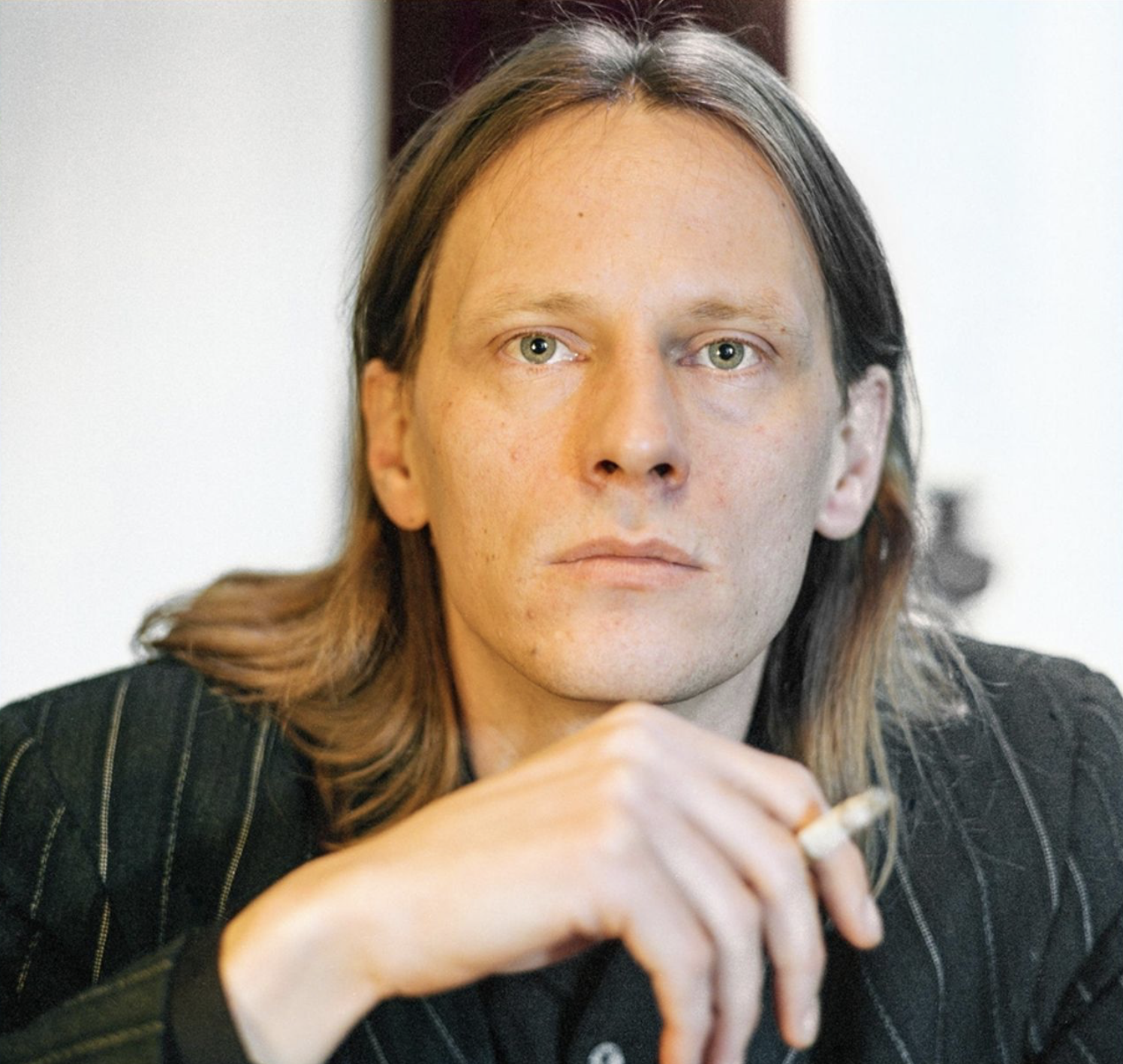
Nanne Tepper, copyright Harry Cock, taken from this article
“I don’t want to go.” From what I’ve learned about Tepper, he really didn’t like having to move to Veendam when he was ten. I get the impression that, while he claims that his problems don’t lie in his youth, he wanted nothing more than to savour some of its innocence and unscathedness. In his letters to fellow writers, he refers to his then-girlfriend as his “little sister.” This ties into the story of De Eeuwige Jachtvelden, where Victor Prins, the protagonist, has an incestuous relationship with his sister Lisa. To me, that symbolizes a deep desire to return to a kinder past.
Tepper writing about the characters in De Eeuwige Jachtvelden: “No, we stay gloomy and see the land from afar, wet and black and stinking of mud and rotting foliage and there, on the side, Lisa jumps in the deep, and then Anna, and then Victor, and I stay behind, with my hands in my hair, and the black hole in front of my nose and I must make new ghosts quickly, quickly, because otherwise I’ll be taken down in my mind, and the monitors-of-crazy won’t know what hit them.” (own translation of De Kunst is Mijn Slagveld, 2016)
Why is it that a novel about incest is considered one of the most brilliant Dutch novels? I think it’s because the love between Lisa and Victor transcends a romantic connection. The bond they share is not defined by sexual feelings, though these are definitely present. Rather, it’s a deep, vital connection that stems from a troubled childhood in a dysfunctional family. They find a home within each other, a sense of comfort that their actual home wasn’t able to offer. Their love, I think, symbolizes the necessity of a stable foundation, someone to rely upon when growing up. The theme is also gloriously captured in a masterfully chosen combination of words. “Iets duurde heel erg lang. Wat er kwam was een hand. In zijn nek. Hij liet zich, walgend van zichzelf, neertrekken, zijn hoofd op haar borst, haar hand in zijn haren.” (2022) or “Something took a long time coming. What came was a hand. At his neck. Sick of himself, he let himself be pulled down, his head on her breast, her hand in his hair.” (1999)
An English translation has been made of De Eeuwige Jachtvelden, like demonstrated and linked to above. While I think it’s a great thing that this incredible novel is made accessible to non-Dutch speakers, the translation isn’t always able to capture the radiant language Tepper employs. For instance:
“Het geheugen was door schrijvers beschreven, bewierookt en vervloekt. Zijn geheugen – enkel dit wist hij er, op een ochtend in Parijs, na een majestueus ontbijt en een nacht zonder slaap, over te zeggen – was gevormd door de vreugden en wreedheden van zijn esthetiek. Hoe hij die had ontwikkeld, wist hij niet, wilde hij niet weten. Feit was dat hij door het leven ging met die blik over zijn schouder. De tegenwoordige tijd bestond enkel in zijn herinnering. Psychiaters hadden hem deze zienswijze afgeraden. Tevergeefs. Hij zwolg vol overgave in het verhaal van zijn leven. De enige reden om door te gaan – zij cultuurgoedje in zijn knapzak – was om dat lange lint waaraan zijn herinneringen wapperden, als vlaggetjes tijdens het dorpsfeest, langer te maken.” (2022)
“Writers had talked about, fawned over and vilified memory. His memory – this was all he knew to say about it of a morning in Paris, after a majestic breakfast and a night without sleep – was shaped by the joys and vagaries of his aesthetic. How he had developed those, he didn’t know, nor did he want to. The fact was that he went through life with that look over his shoulder. The present tense existed only in his recollection. Psychiatrists had warned him against this view of things. In vain. He wallowed with abandon in the story of his life. The only reason to go on – cultural baggage in his old kit sack – was to make that long ribbon on which his memories flapped, like pennants during the village festival, even longer.” (1999)
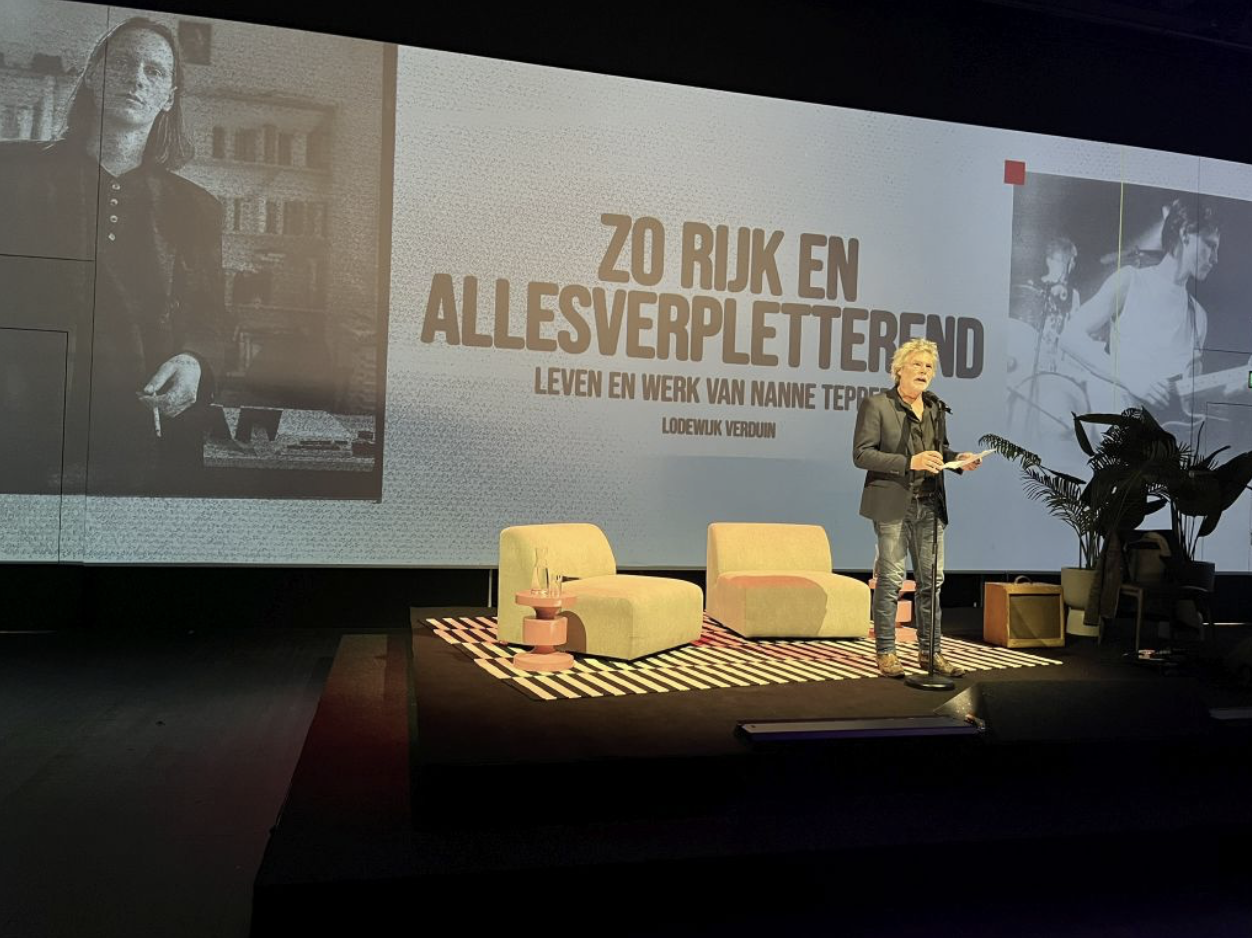
Click on the image for a loving column about Nanne (in Dutch) by Herman Sandman!
The staccato sentence structure in Dutch makes for a more fragmented idea of memory. “...enkel dit wist hij er, op een ochtend in Parijs, na een majestueus ontbijt en een nacht zonder slaap, over te zeggen…” versus “this was all he knew to say about it of a morning in Paris, after a majestic breakfast and a night without sleep.” Some of the magic of a fragmented past that the narrator seems so desperate to capture and take hold of, gets lost in the fluidity of the translation. Nevertheless, some words in the translation are brilliantly chosen: “flapped” has a similar connotation as “wapperen,” and “He wallowed with abandon in the story of his life” is simply gorgeous, and akin to “Hij zwolg vol overgave in het verhaal van zijn leven.”
Also deeply touching is the way the narrator describes Lisa:
“Na schooltijd lag ze in de tuin, onder de twee berken, aan de rand van de moestuin, gekleed in een goudglanzende, crèmewitte bikini, haar billen, ferme billen, lonkend naar de hemel, een kuitbeen met lange smalle voet omhoog en wiegend, haar hoofd rustend op een hand, haar zwarte haren verward, haar rug glooiend en glanzend van het zweet, haar borsten verborgen, haar blik in een boek dat hij haar had aangepraat.” (2022)
“After school she lay in the garden beneath the twin birches, at the edge of the vegetable patch, dressed in an off-white bikini with a golden sheen, her buns, firm buns, taunting the heavens, a calf with narrow foot raised and rocking, her head resting on one hand, her black hair a jumble, her back rolling and glowing with sweat, her breasts hidden, her eyes in a book he’d told her to read.” (1999)
Here, too, the translation loses some of the magic. Instead of ‘off-white’ I would have chosen ‘cream white’ to stay true to the original. I also think there’s an undertone of regret in the line “haar blik in een boek dat hij haar had aangepraat,” while “her eyes in a book he’d told her to read” feels way too matter-of-fact to be appropriate here. “Her eyes in a book he’d talked her into reading” preserves some of that regretful energy. I do think the line “her back rolling and glowing with sweat” is greatly written and captures just the right tone.
Tepper feels to me like a friend. At the time of devouring his work, I’m trying to make my way in the Dutch world of literature, much the same way he did. On a good day, I’m taken by what he calls “the white flood,” meaning a rush of inspiration. When that flood evaporates, it’s difficult to get back in the saddle and get the pen on the paper again. When I look out my window and see the glittering green of the Noorderplantsoen, I think of Tepper, and how I’m lucky enough to live so close to where he chose to spend part of his life. Reading his work never fails to drive me right back to the drawing table when it comes to poetry, and my novel.
I’d like to end this piece with a couple of his most fantastic letter closings:
“Lots of luck, inspiration and work drive for your new career. Onward, said the farmer, leaning on his hoe, looking to the far and beyond, scratching his balls.” And, “Drink one or uncountable to me, in the old night, and I’ll drink one, or two, to you and your guests.” (own translation of De Kunst is Mijn Slagveld, 2016) Give his work a go, it’ll be the best thing you do this year!
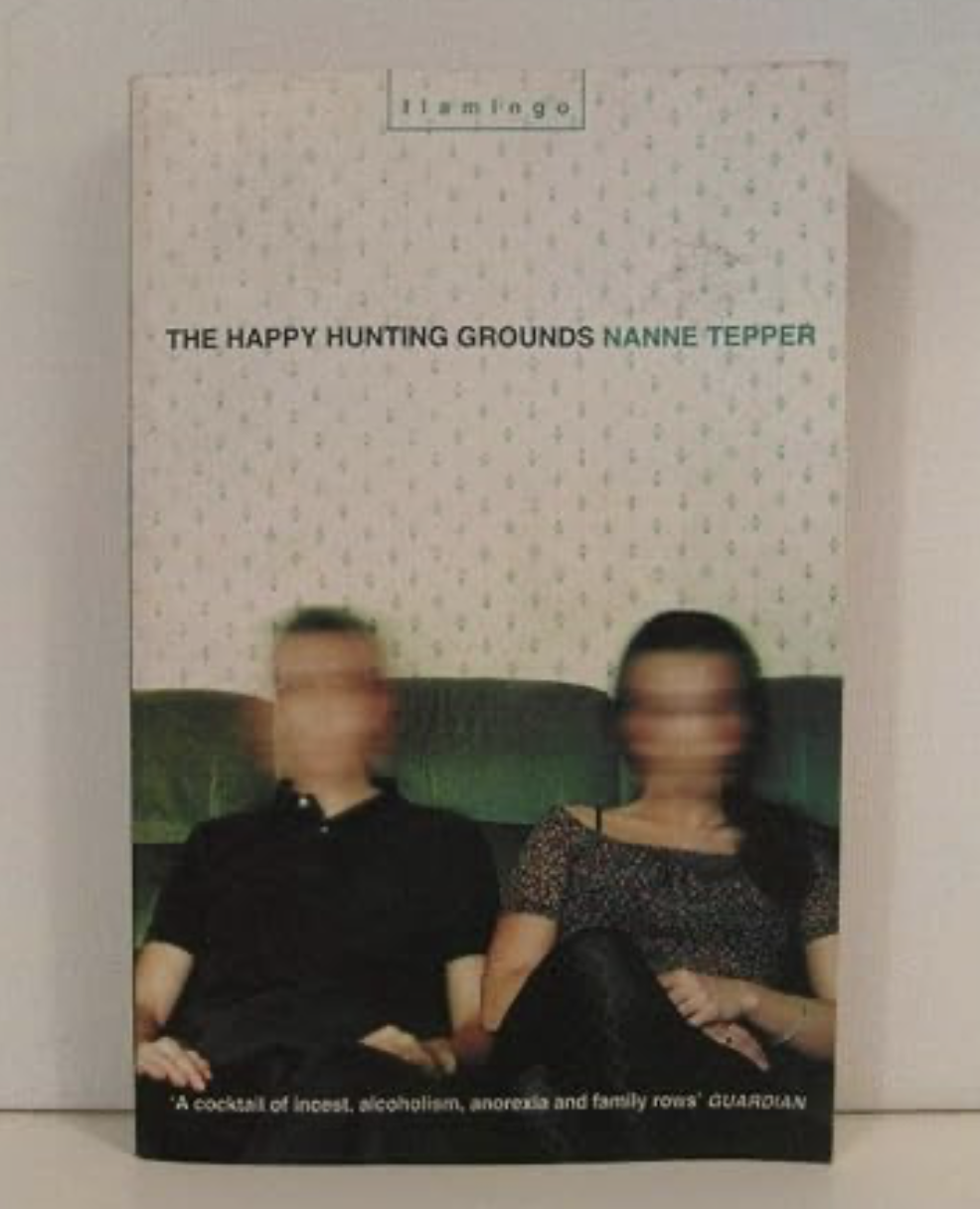
Click on the image to do just that!
‘The happy hunting grounds’, published by Flamingo / Harper Collins in 2000. The translation of this Dutch gem: Sam Garrett. Sam Garrett has translated some 50 novels and works of nonfiction. He has won prizes and appeared on shortlists for some of the world’s most prestigious literary awards, and is the only translator to have twice won the British Society of Authors’ Vondel Prize for Dutch-English translation.
What the press had to say:
''The Happy Hunting Grounds' is constructed in the form of a symphony, with four distinct movements, each different in style and tempo. It is dense, learned, oblique and allusive (though not intimidatingly so), quoting generously form popular songs and literary works, form Vladimir Nabokov to Barbara Cartland. Tepper binds his material together with admirable artistry. He is a writer of real talent.'
ANDREW BISWELL 'Daily Telegraph'
'One of my favourite novels of the last decade. It has great style, tight structure and a haunting narrative. Your complete surrender to it never falters. I think it has something to do with Tepper never being too romantic, his great sense of irony, his crafty, down-to-earth use of emotions.'
MARCEL MORING author of 'In Babylon'
'A dark, disturbing debut novel, hard to put down. Haunting and unsettling, it marks Tepper as a talent to watch.'
DUBLIN HERALD
Our 4 ‘Best of the Net’ nominations, ed. 2027!
Our 4 ‘Best of the Net’ nominations, ed. 2027! featured on Double Dutch magazine
Click on the image to find out more!
In the (almost a) year of working on this mag we at Double Dutch magazine have had the honor to be able to publish beautiful poetry from a truly wide variety of international poets. We decided on these 4 of those to nominate for the 2027 ‘Best of the Net’ awards:
Red, by Marcus Slingsby (issue 1, January 2026)
The Sermon, by Lucy Olsman (issue 2, March 2026)
Morning Patrol, by Scott William Westcott (issue 3, May 2026)
Liminal Space, by Sheridan Mark Walter (issue 3, May 2026)
Good luck to all of you! To be continued…
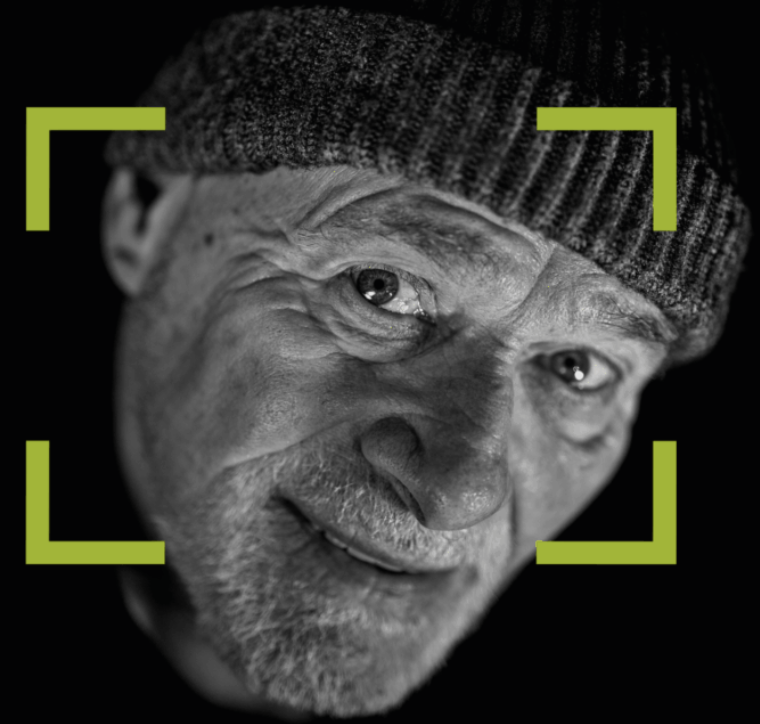
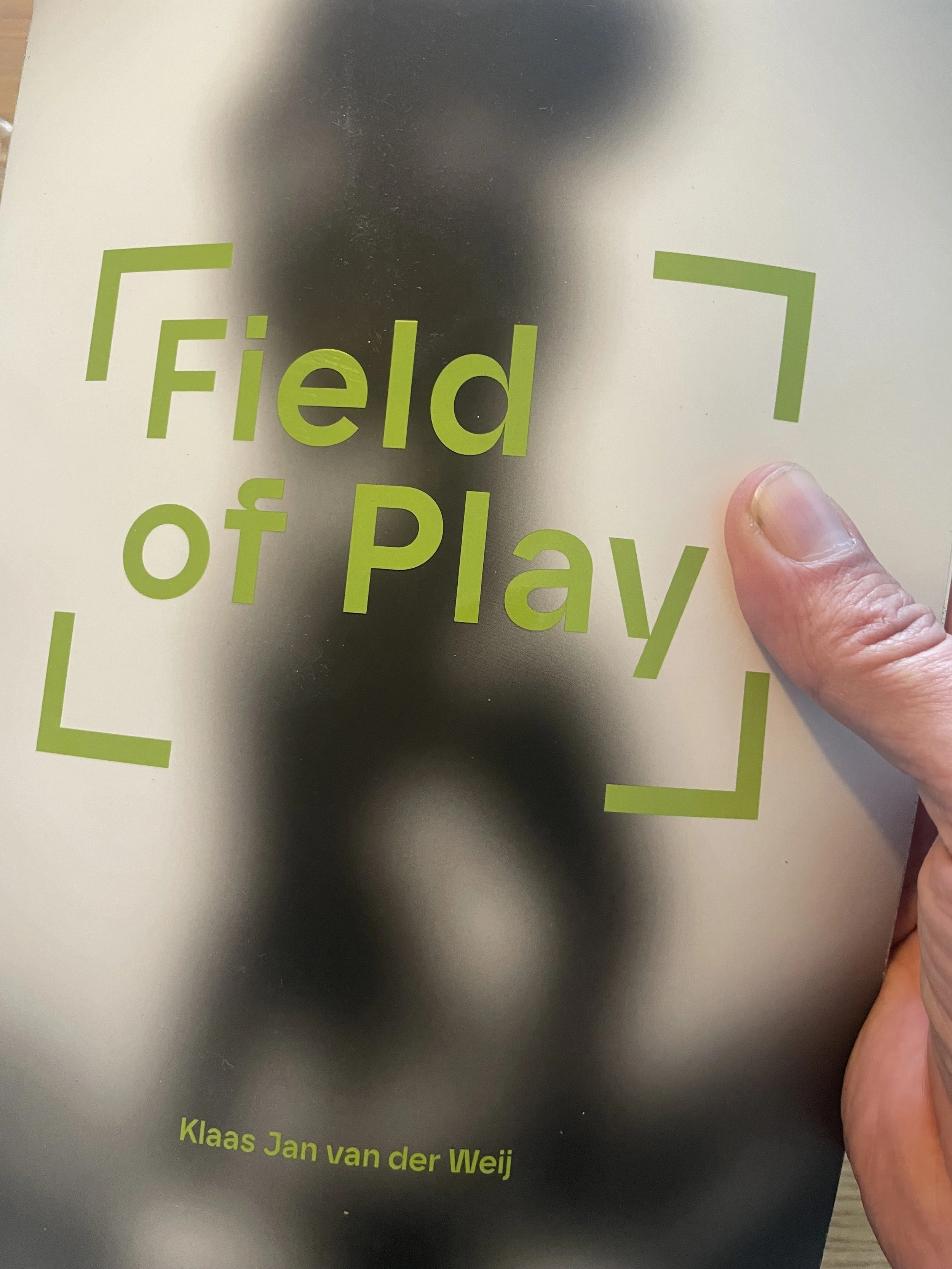
‘Field of Play’, the genius (sport) photography of Klaas Jan van der Weij featured on Double Dutch magazine!
‘field of play’ the genius (sport) photography of Klaas Jan van der Weij featured on Double Dutch magazine!
We fans!
Intro
Klaas Jan van der Weij is a renowned photojournalist with 38 years of experience. He is regarded as one of the best sports photographers, with countless memorable photos of cycling, athletics, and other sports. In 1992, he won first prize in the Sports category at the World Press Photo for his iconic photo of Greg Lemond after Paris-Roubaix, followed by many national and international awards. Van der Weij has photographed the Olympic Games fifteen times, attended the Tour de France thirty times, and captured many other major events. In addition to his photography, he shares his experiences as a storyteller. His work is praised for a quality that transcends the newspaper, with photos that manage to captivate the public.
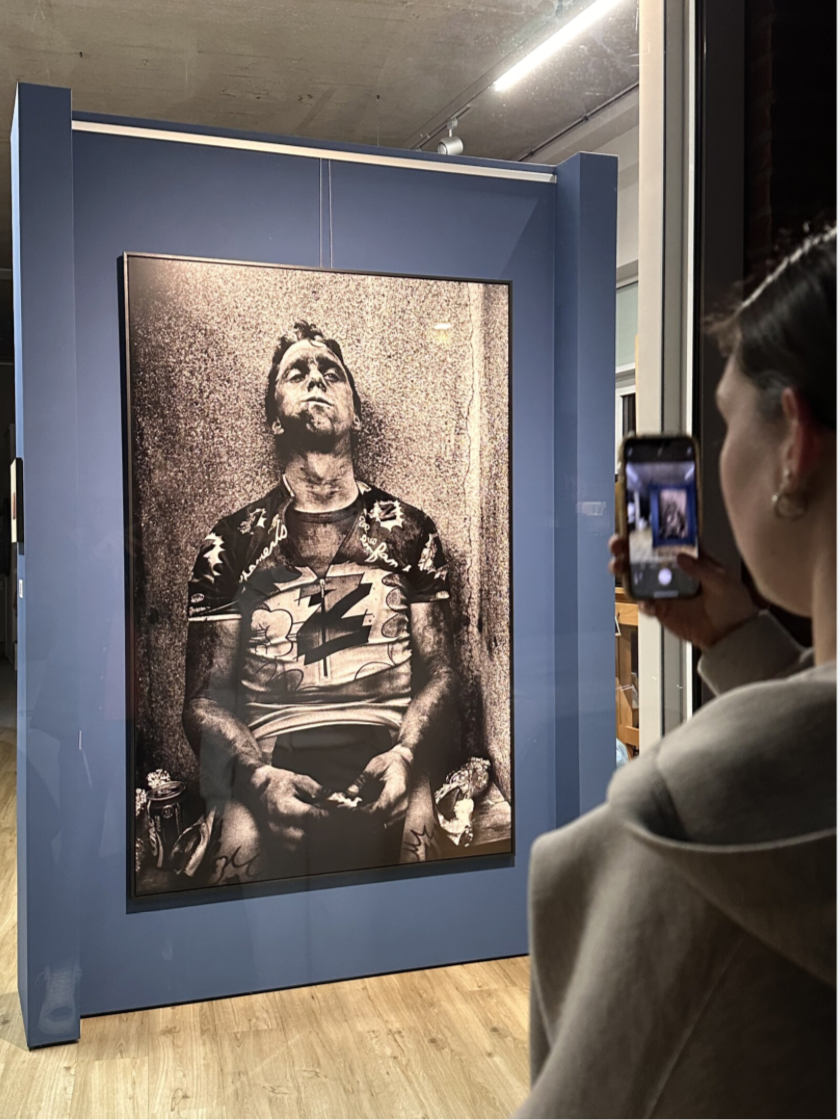
Click on this image for measurements + price of this truly iconic piece!
Why feature him?
Simple: you should all go out (or stay in) and buy this art magazine. My wife and I are both huge pro cycling enthousiasts, so for us his work ticks every box possible, but even if you’re not into sport photography per se, there’s no denying this is great art. Period. Here are some examples of other inspired moments (you can acquire!):
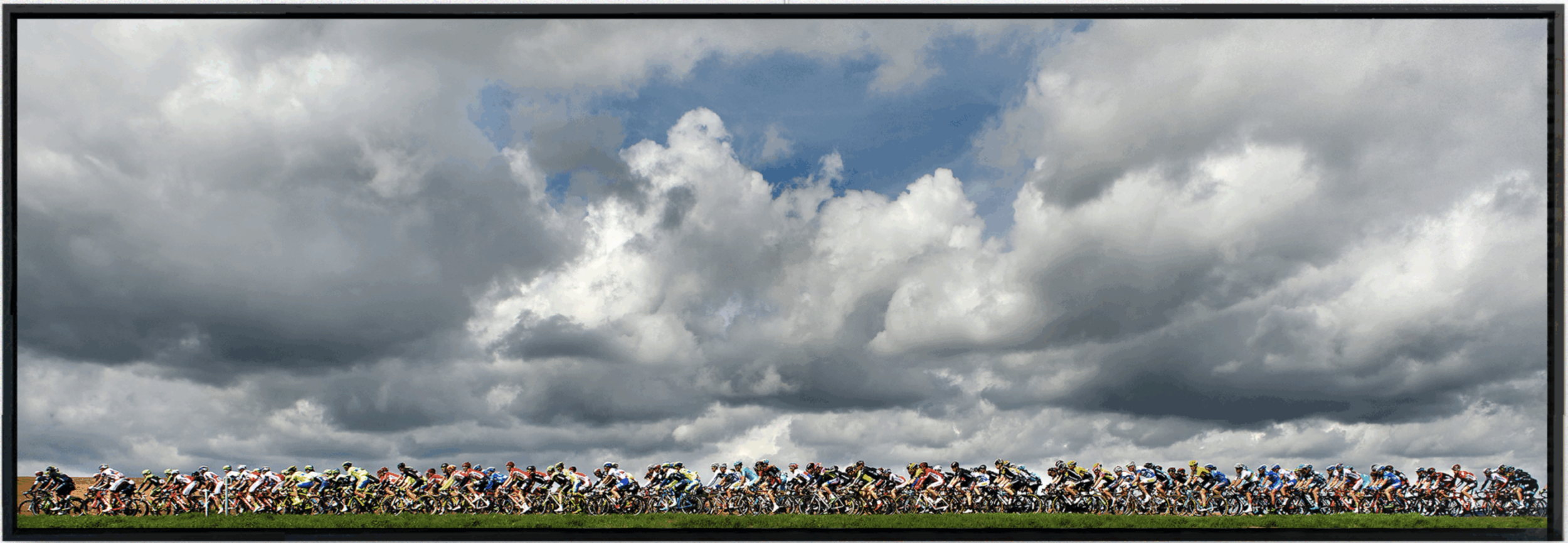
‘Sur le Parcour’ - 50 x 150 cm - Click on the image for more info!
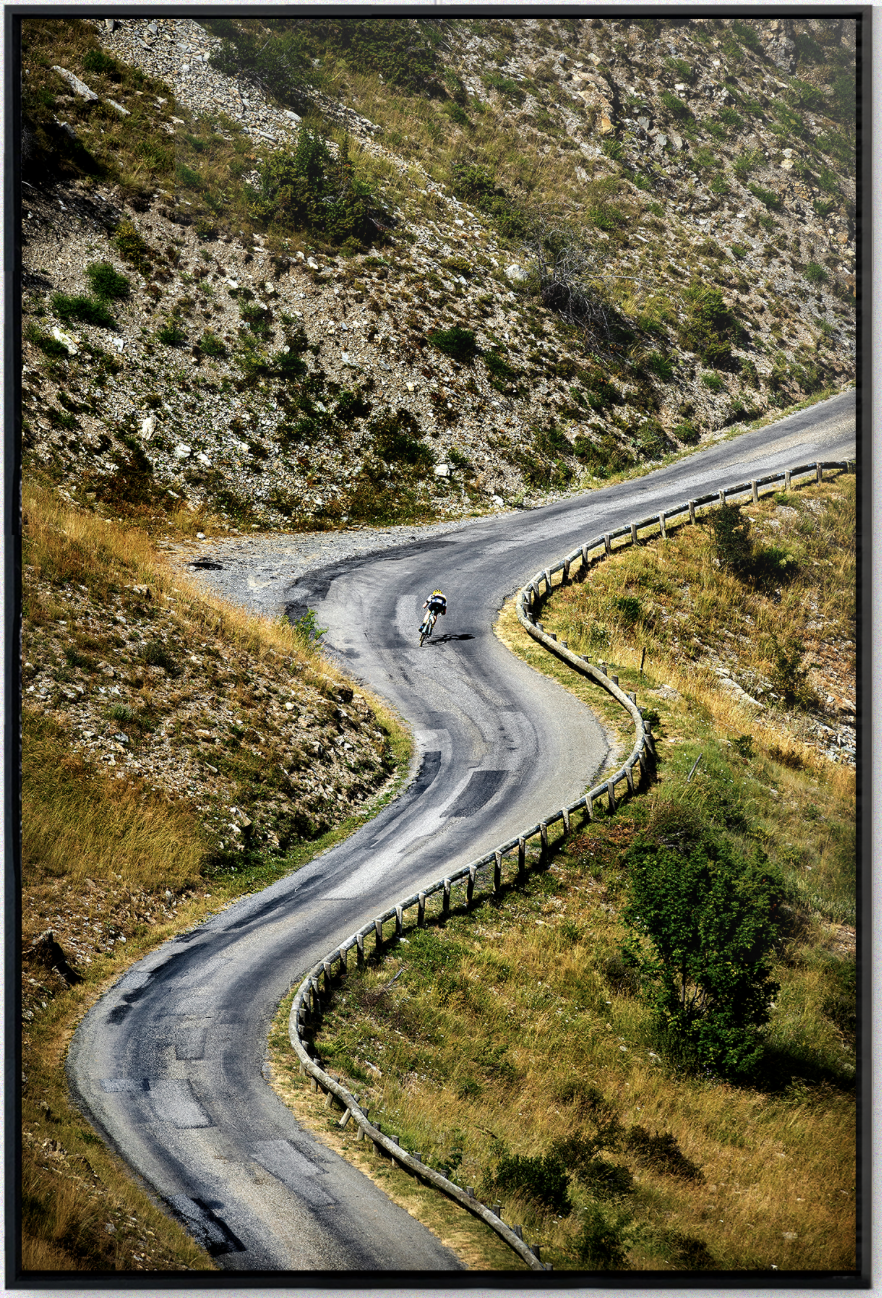
‘Solo’ - 120 x 80 cm - Click on the image for more info plz!
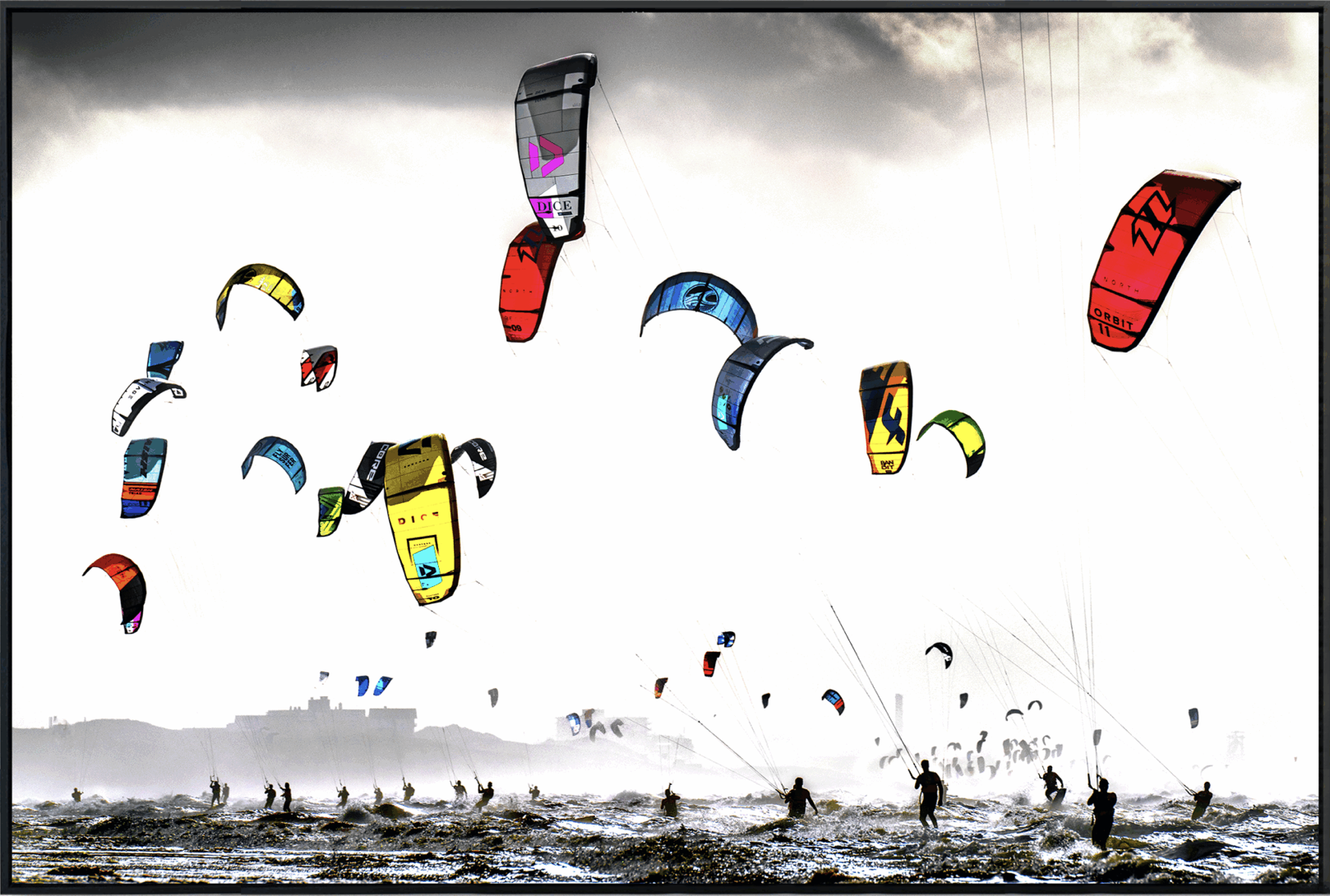
‘Kite on Sea’ - 150 cm x 100 cm - Click to find out more!
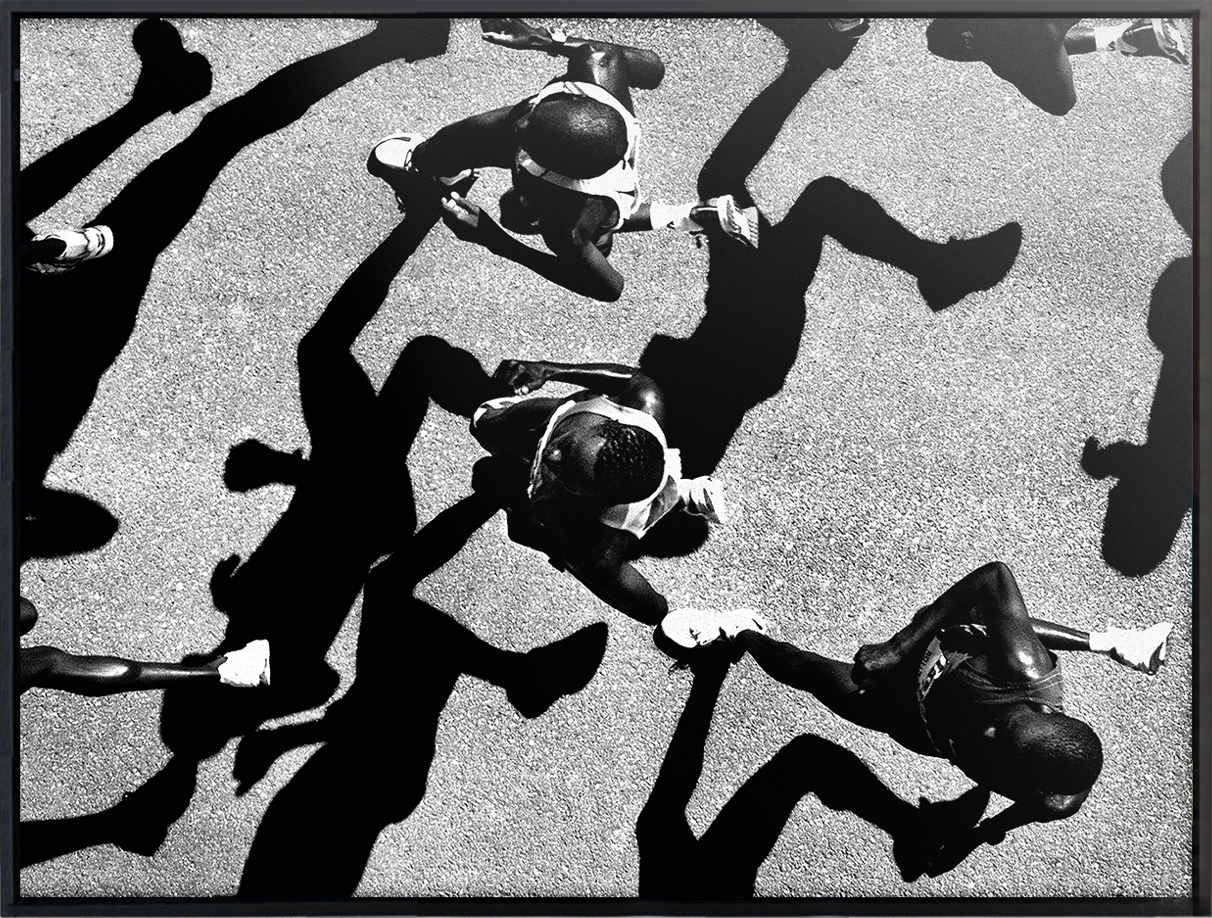
‘Shadow Run’ - 60 x 80 cm - Click!
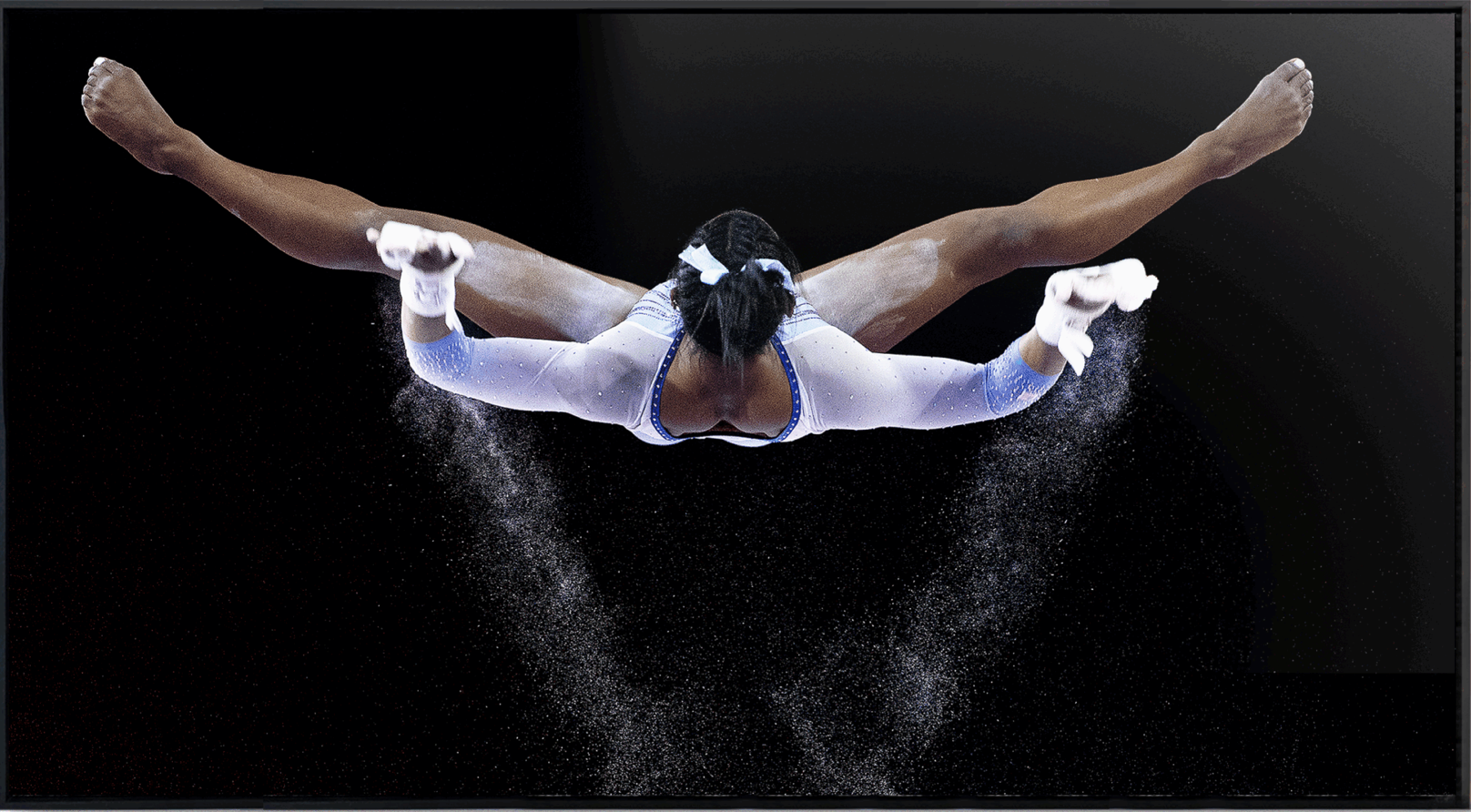
‘Launch’ - 65 x 120 cm - You know what to do :)
So. Yeah. Want to see more? Right here to keep on drooling! We (editors) have asked mr. van der Weij if he would allow us to include a work of his in one of our upcoming issues, so hopefully more on that later. Want to get in contact with the artist? You can do so by following this link to his contact page. The art magazine itself is filled to the brim with exceptional pieces showing Max Verstappen, Usain Bolt, Tadej Pogacar, Serena & Venus Williams and many, many others. Go treat yourself! Cheers.
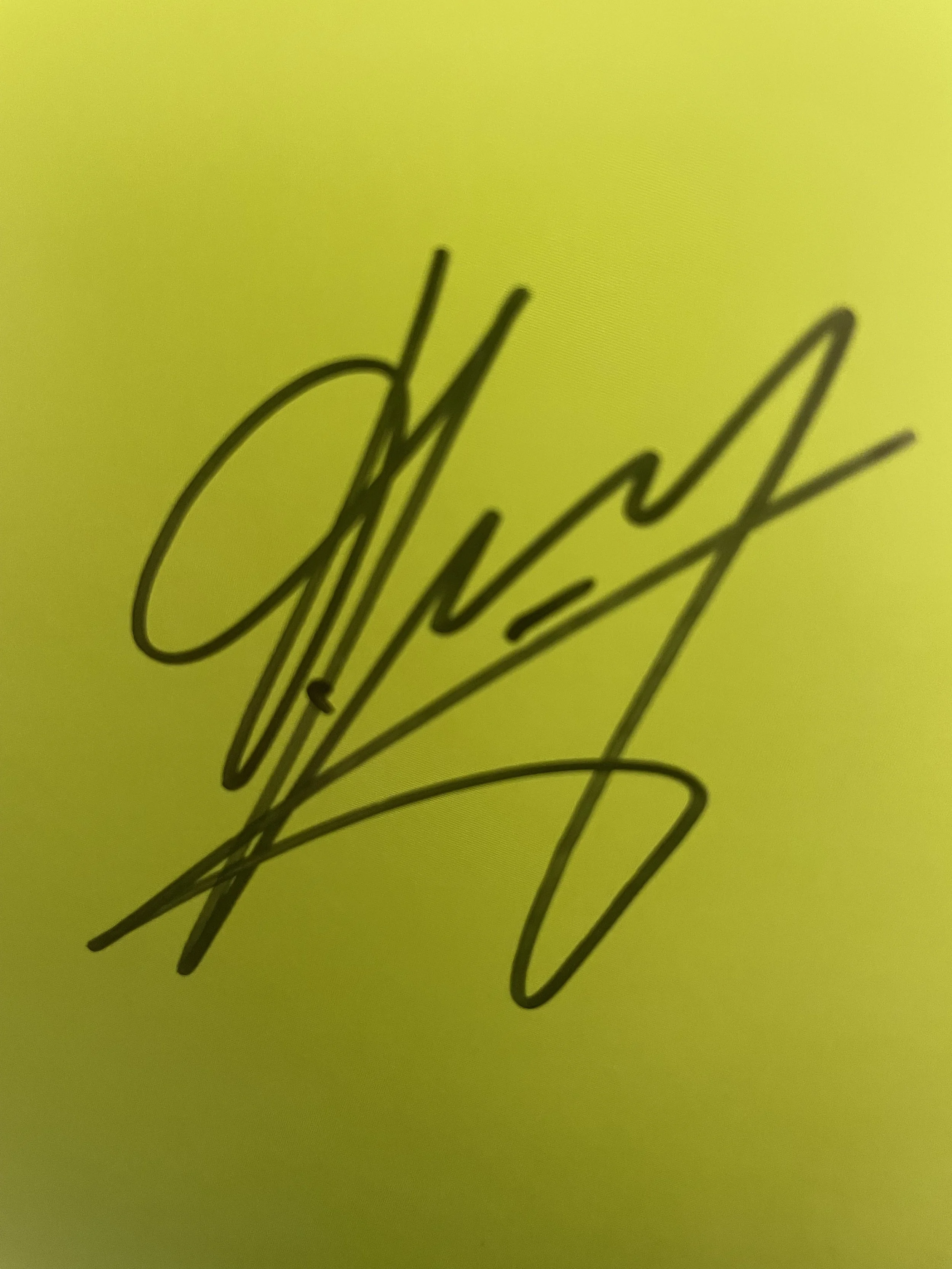
PS: did I mention the art magazine comes signed by the artist himself? Well, it sure does :)
Going Dutchtube!, nr. 4 (Lucas Hirsch reads ‘mijn hart, mijn lijf, mijn leger’ in Both Dutch and English)
Going Dutchtube!, nr. 4 (Lucas Hirsch reads ‘mijn hart, mijn lijf, mijn leger’ in Both Dutch and English) featured on Double Dutch magazine
I’ve been scouring the internet for Dutch poetry, translated into English, to maybe showcase here for a year now, and have been loving every second of it. That includes YouTube, obviously, and boys oh boys, there are some beauties out there! Plus, not unimportant, linking and then highlighting such a video here on Double Dutch magazine is A LOT easier copyright wise? So much so that we at Double Dutch magazine decided on a separate segment: Going Dutchtube!, for which we’ll pick one of those videos at a time and give ‘em some much deserved extra fondling. Doing this also enables us to include poets and translators we admire but who are notoriously hard to get in touch with, for example, or, again, whose poetry is a real pain in the butt to get the rights to. Win-win, eh? We sure think so. This time we’ll be linking to a reading by the Dutch poet Lucas Hirsch. We (the team) have asked him to allow one of his poems into our upcoming January 2027 issue, so hopefully more on that later, but for now, here’s his ‘Mijn hart, mijn lijf, mijn leger’ in both Dutch AND English:
Ps: Thank you, David Dephy, for your beautiful channel!
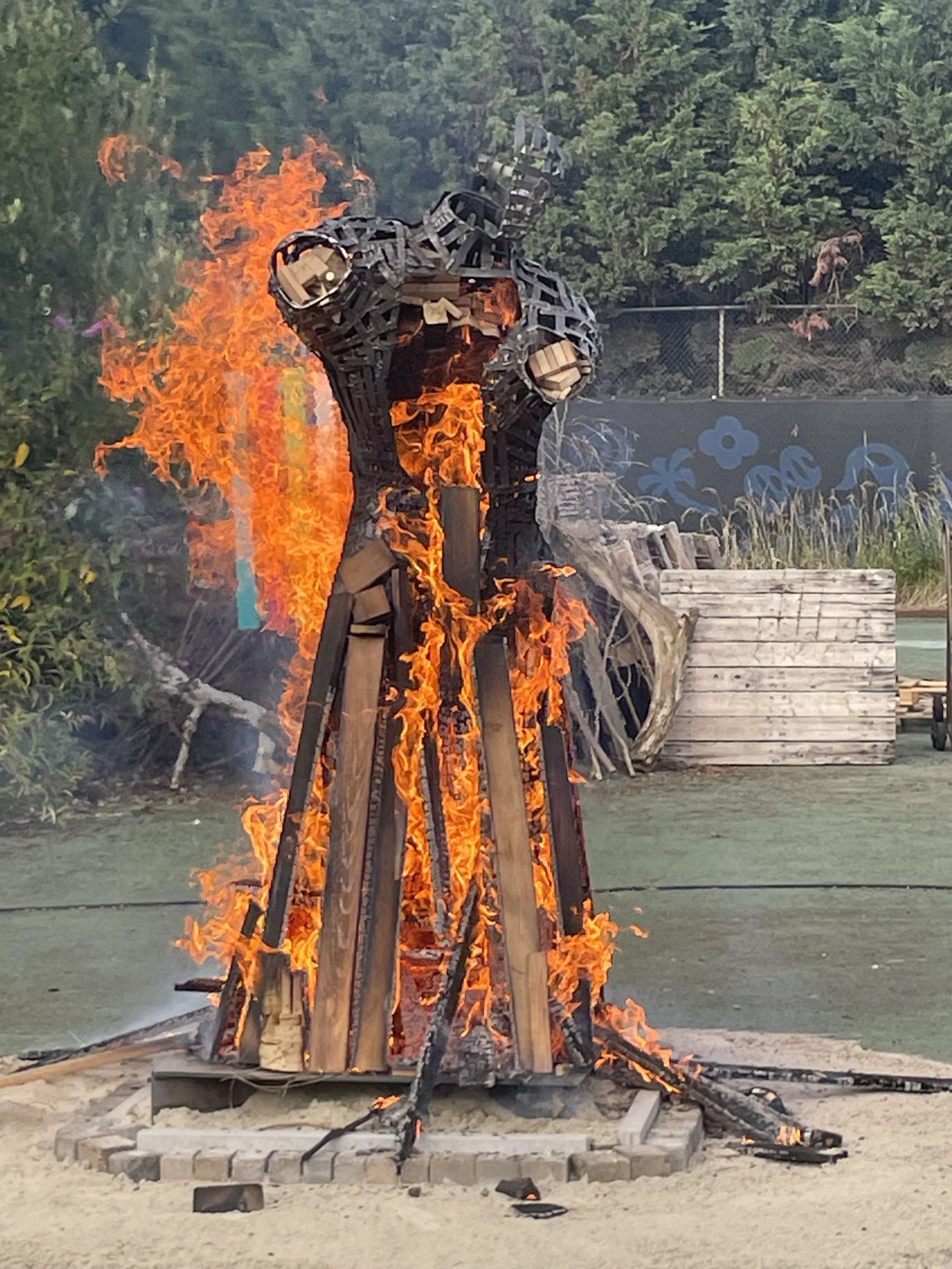
‘Burning the Man’ by Frans de Winter - held at Neck of the Woods: an independent contemporary artspace / gallery & art community.
‘Burning the Man’ by Frans de Winter -held at ‘Neck of the Woods’: an independent contemporary artspace / gallery featured on Double Dutch magazine
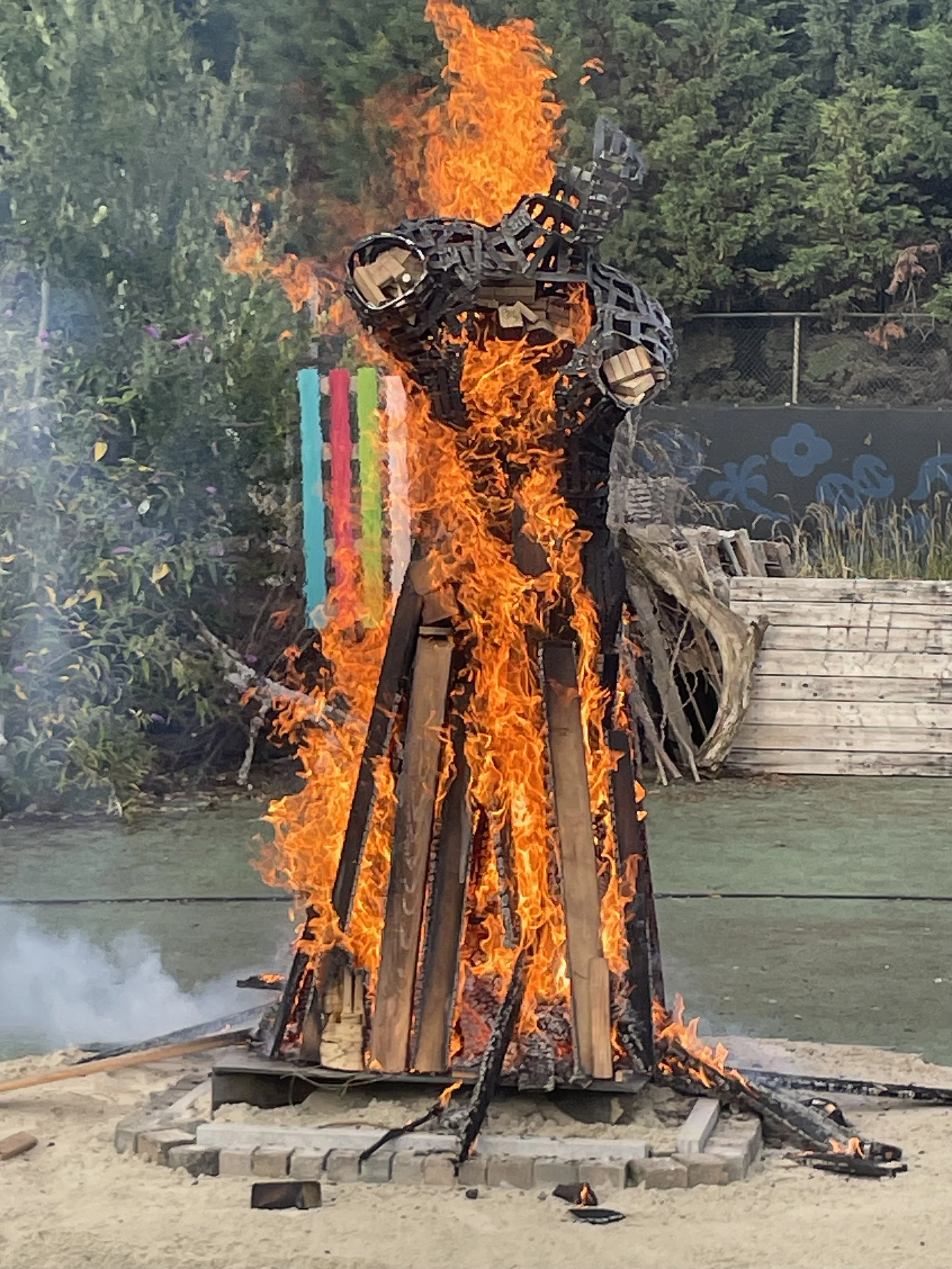
And burn it did!
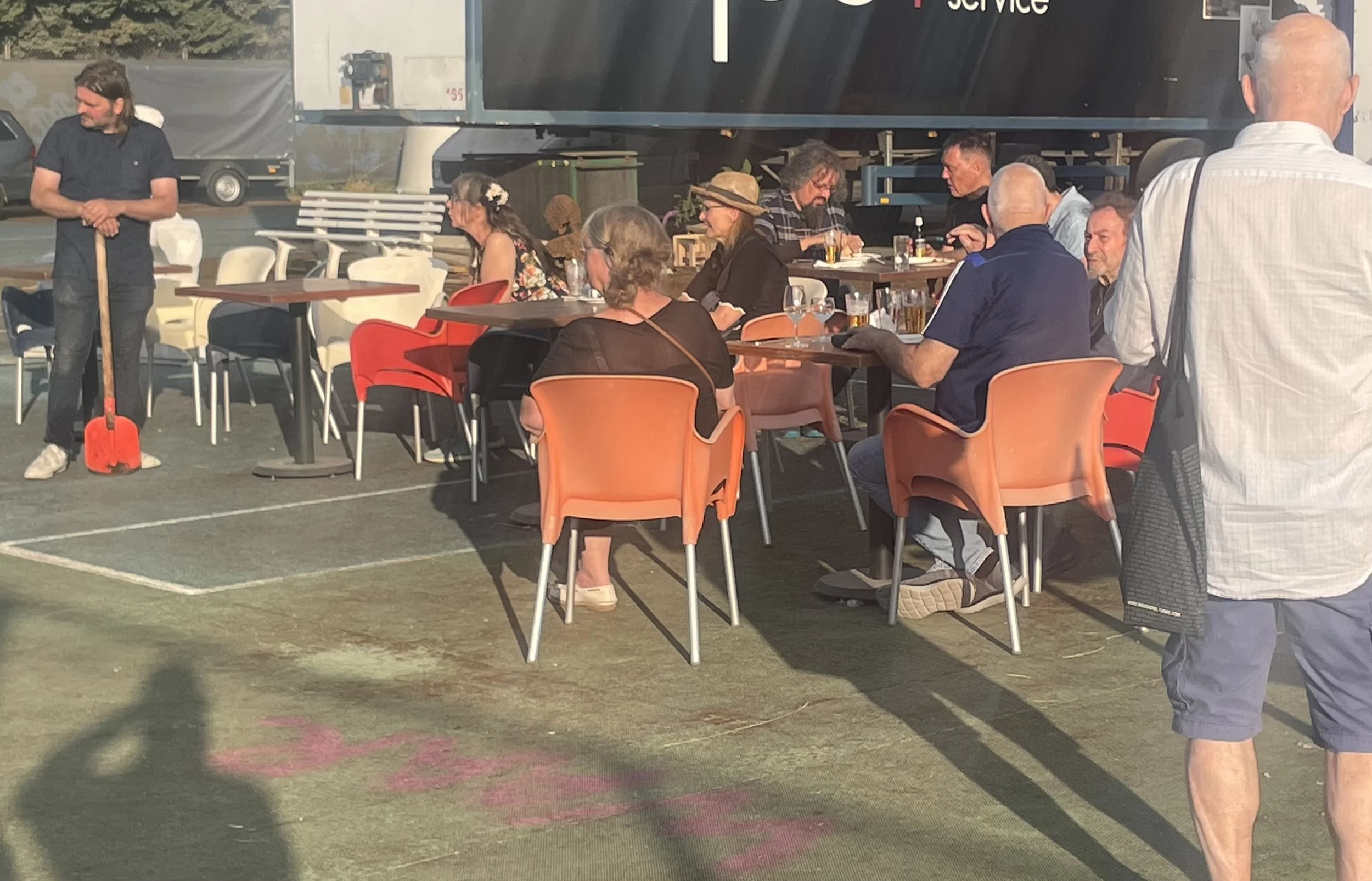
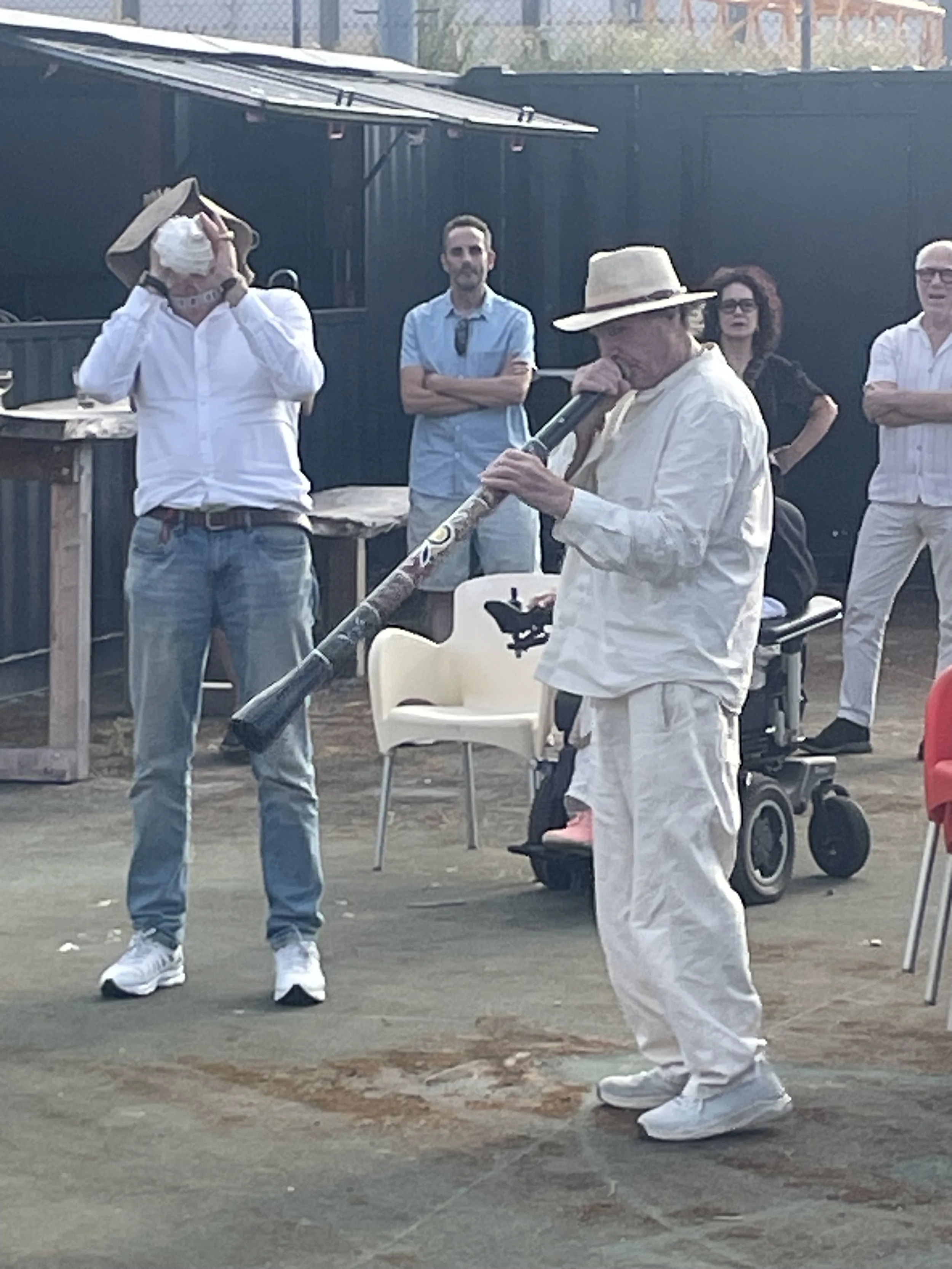
I got asked to say a few words at ‘Burning the Man’ yesterday, an event to celebrate the end of another great season for the independent contemporary artspace / gallery & art community ‘Neck of the Woods’, a passion project of artist Johannes Steendam, based in my hometown of Vlaardingen. Seeing as the event would basically consist of (the burning of) an art piece by my mate Frans de Winter, I happily obliged.
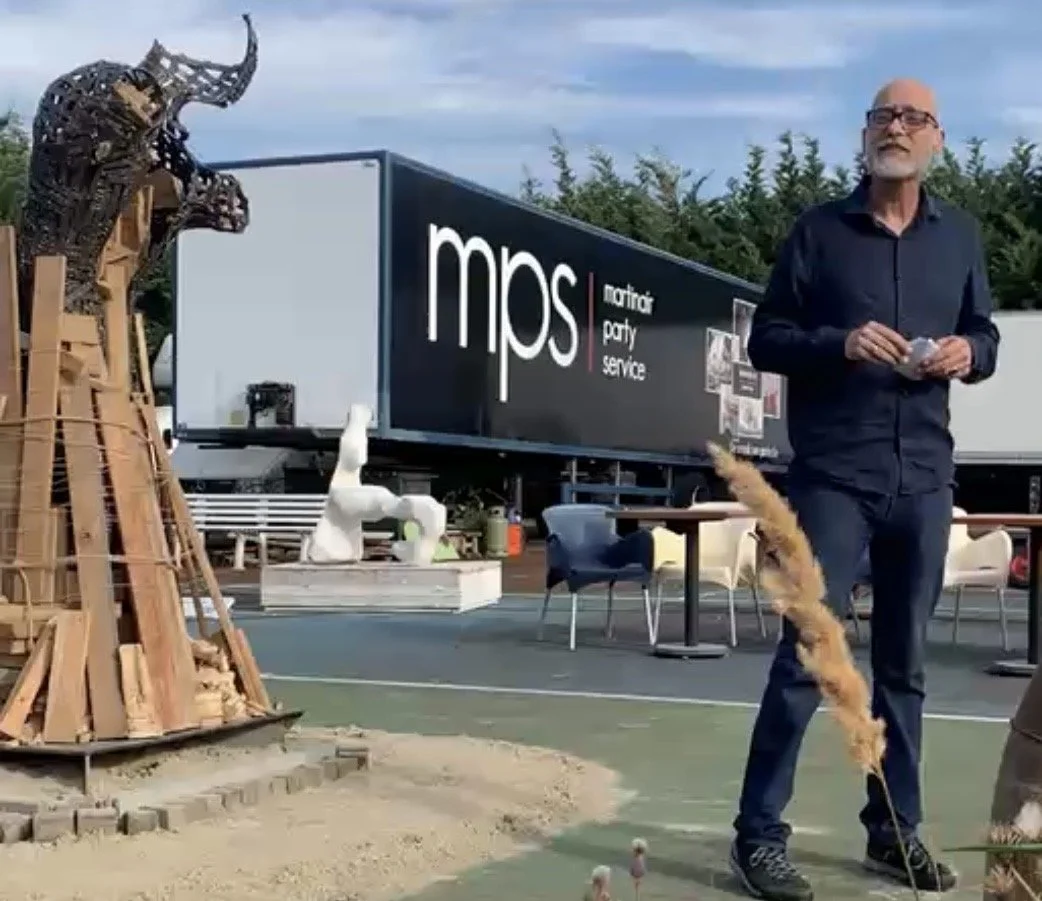
Yours truly reading a poem by Sander Groen written for this very occasion :)
Thank you, Sander Groen, for the poem! I’d never been? Very pleasantly surprised though! Apart from the piece that gave this event its name, they had taken the time and effort to showcase more of my mate’s pieces than just this one. For you who read our magazine (thanks!) it’s no secret that we’re huge fans? So here’s some pics of his/those other works:
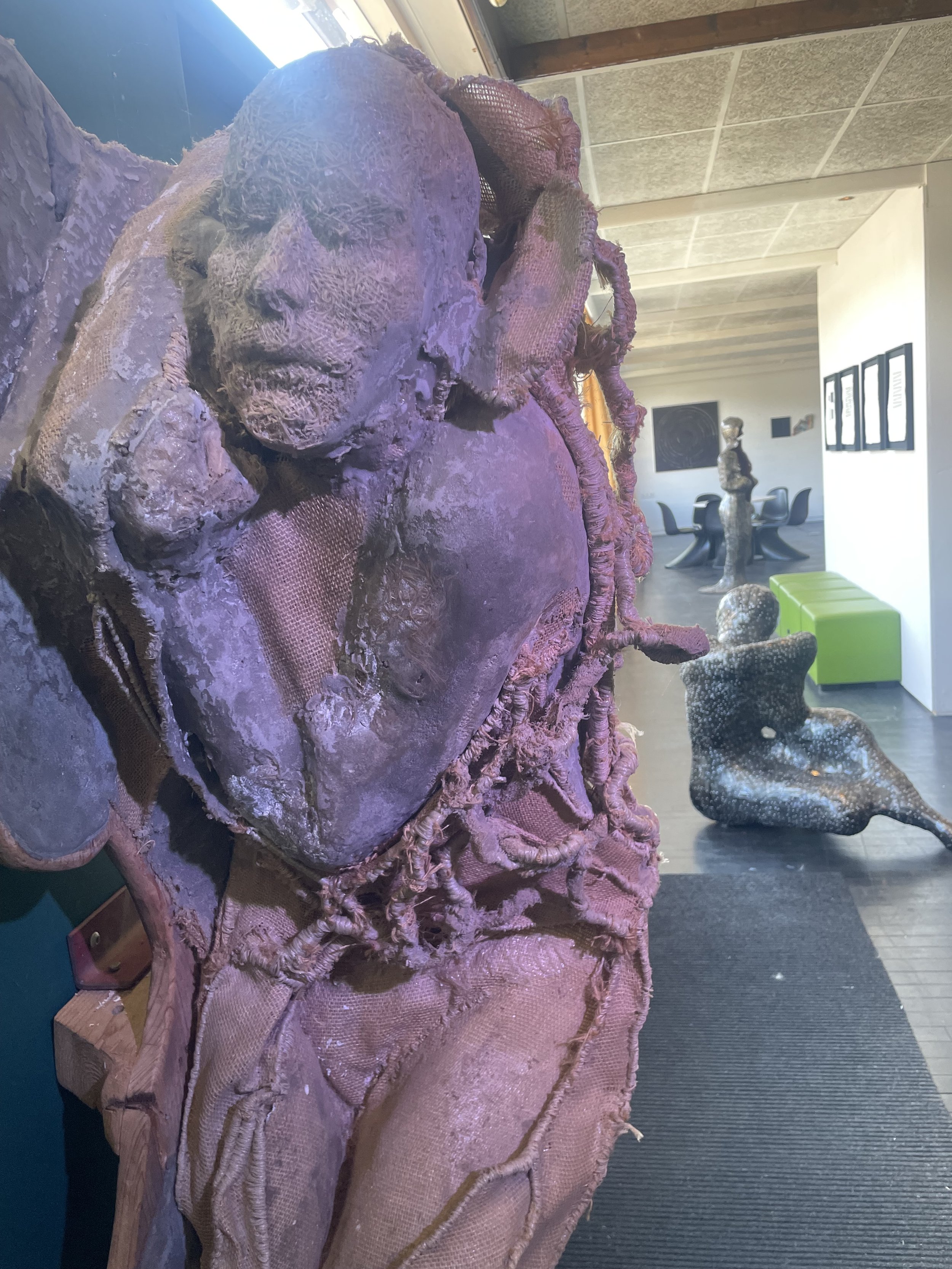
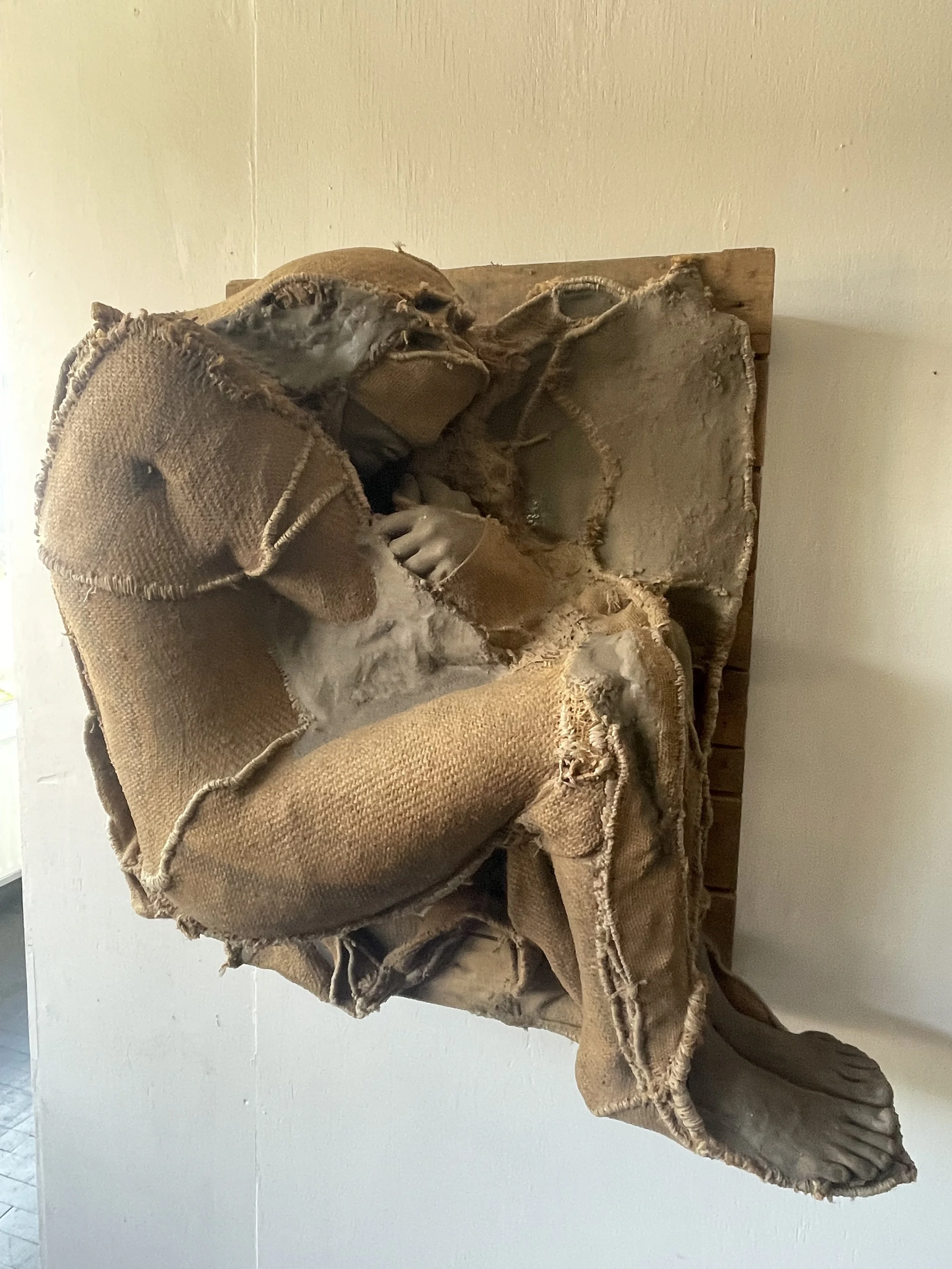
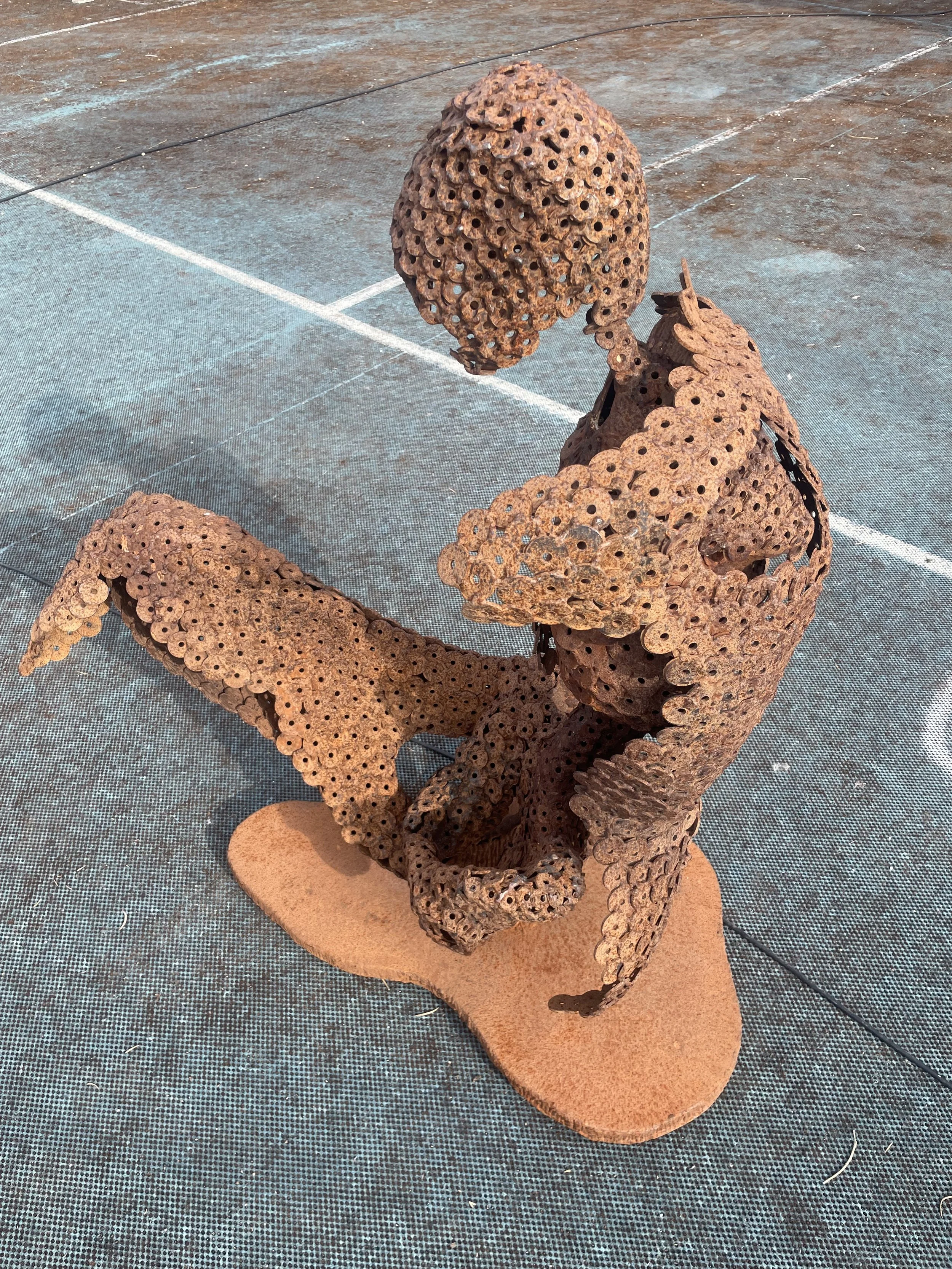
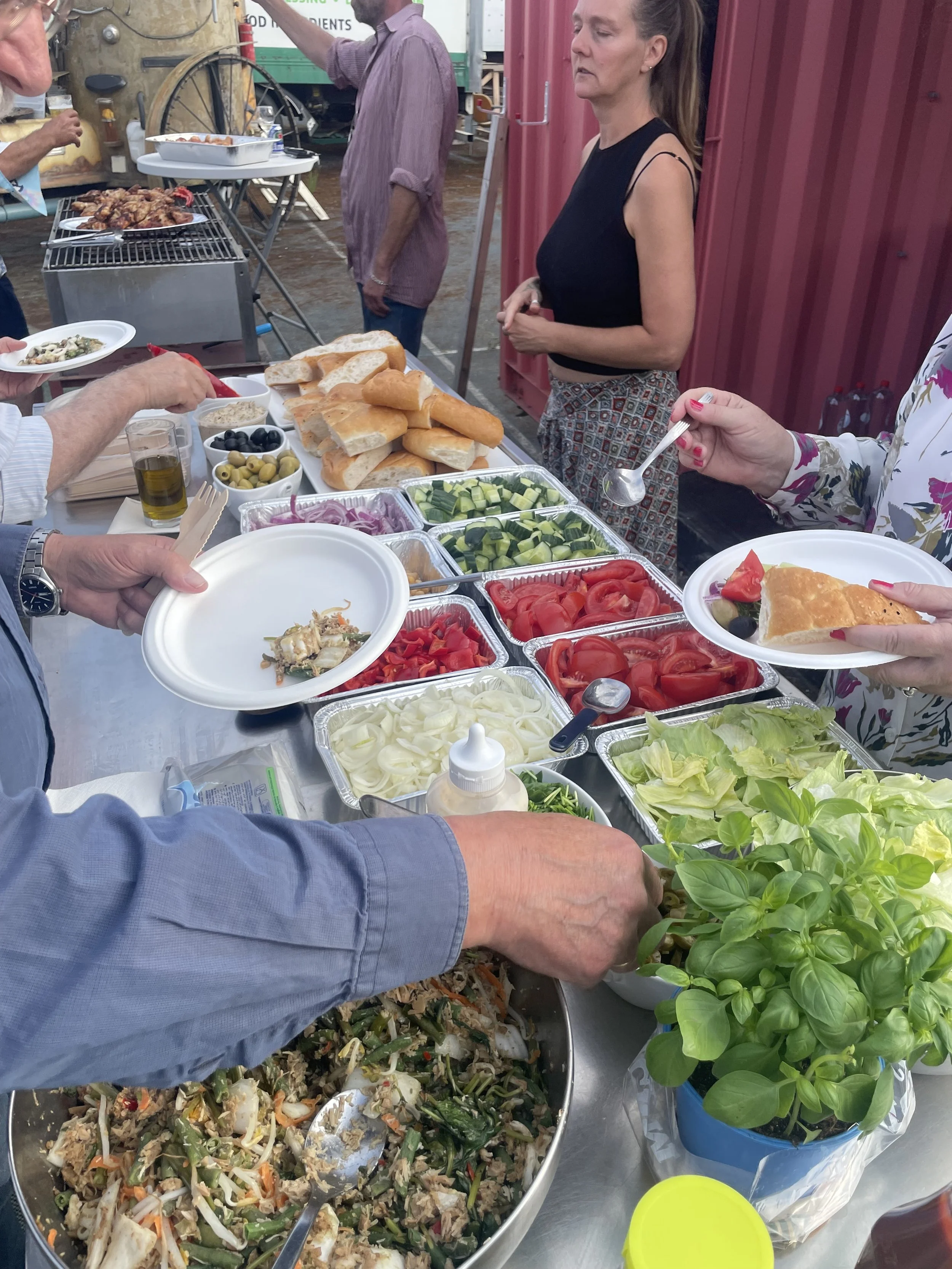
I mean, come on! Right? Why’s this guy not selling like crazy already! The turnout was good as well? All things considered (no promotion on any socials for it being guerrilla ‘cause the burning itself was deliciously illegal AND held at dinner time which we dutch are religiously rigid about). Another impression:
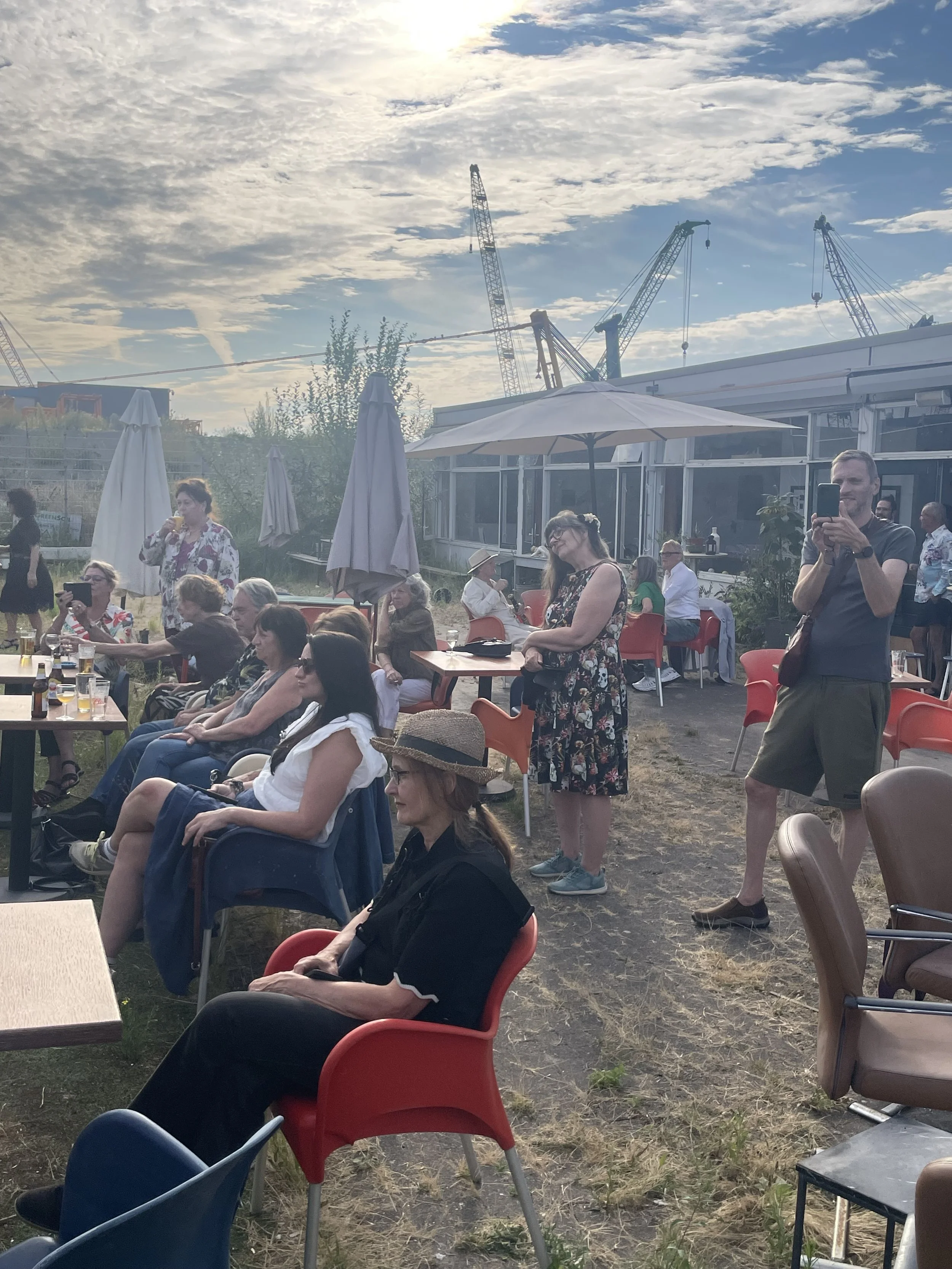
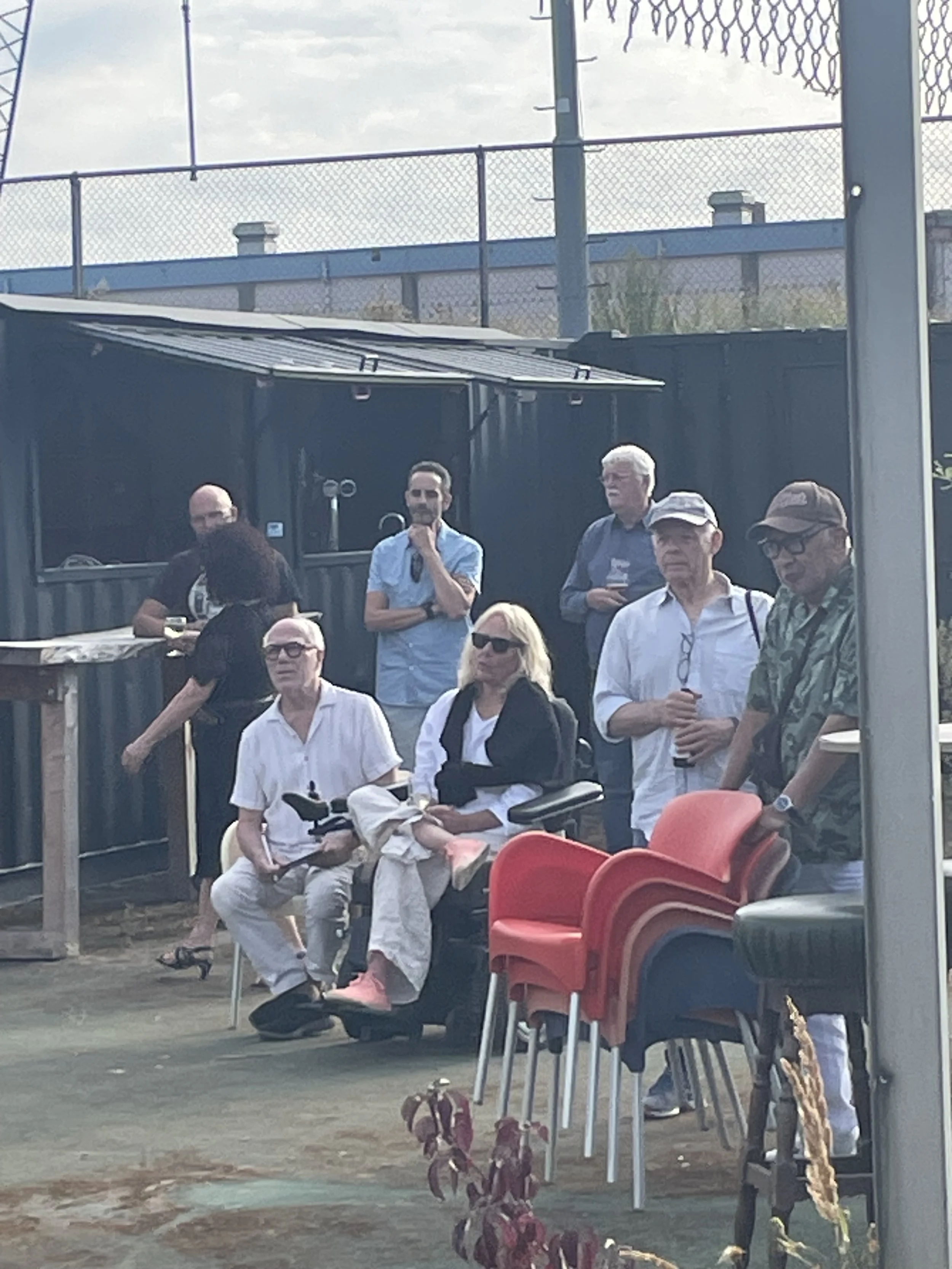
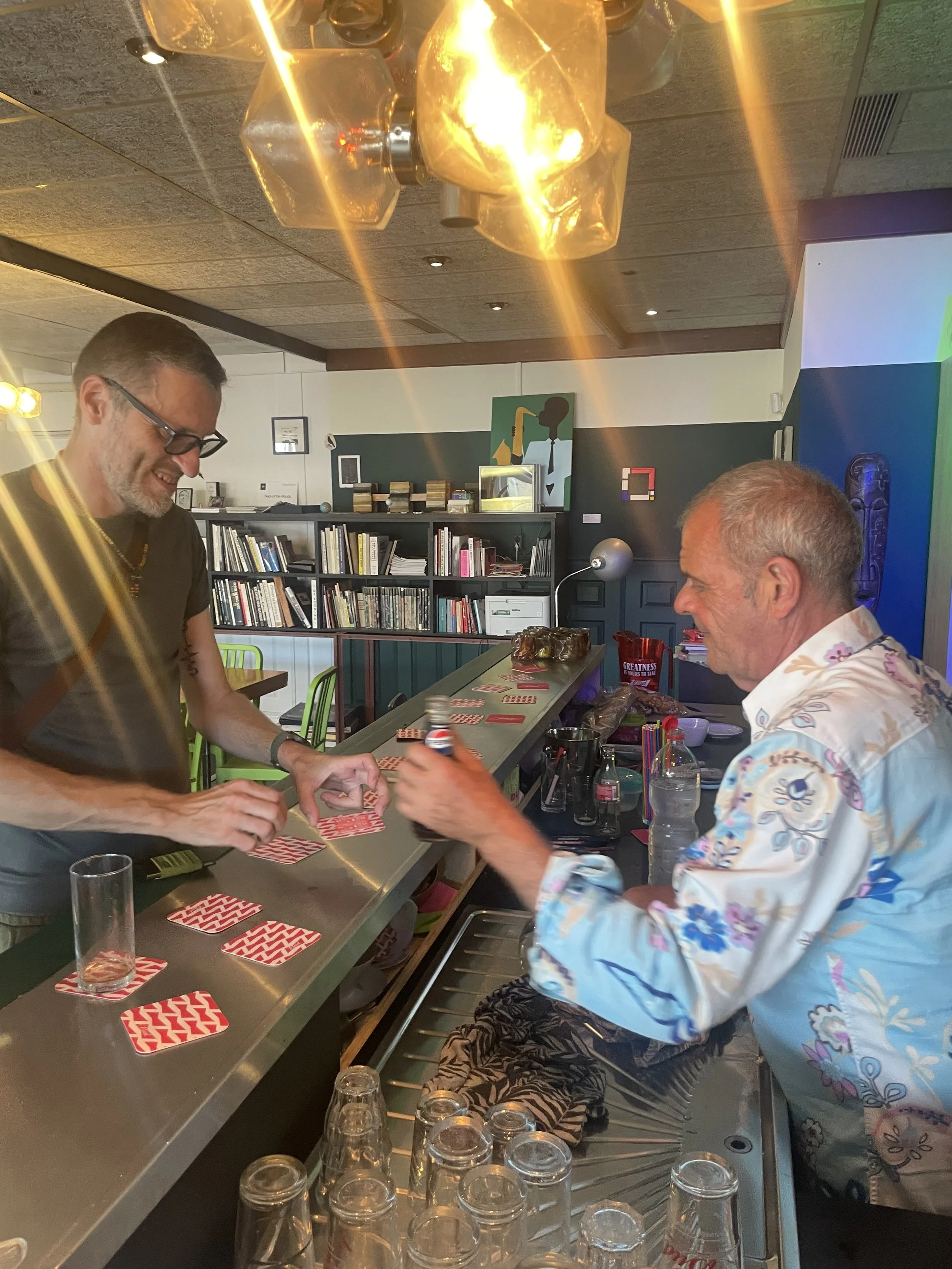
The resident curator Leo de Bie serving refeshments!
Good food, good company, people happy, my buddy Frans happy! The piece set on fire yesterday is called ‘Contrapasso’ and consisted of a wooden base covered with welded plate steel with a humanoid shape. The burning of said piece to remove the wooden core is very much a part of the concept behind it. The literary term Contrapasso originates from ‘Dante’s hell’ (Dante Alighieri) and refers to the notion that the punishment should fit the crime. This way the artist hopes that this work invites the viewer to indentify with it and maybe even come to terms with stuff not yet dealt with…
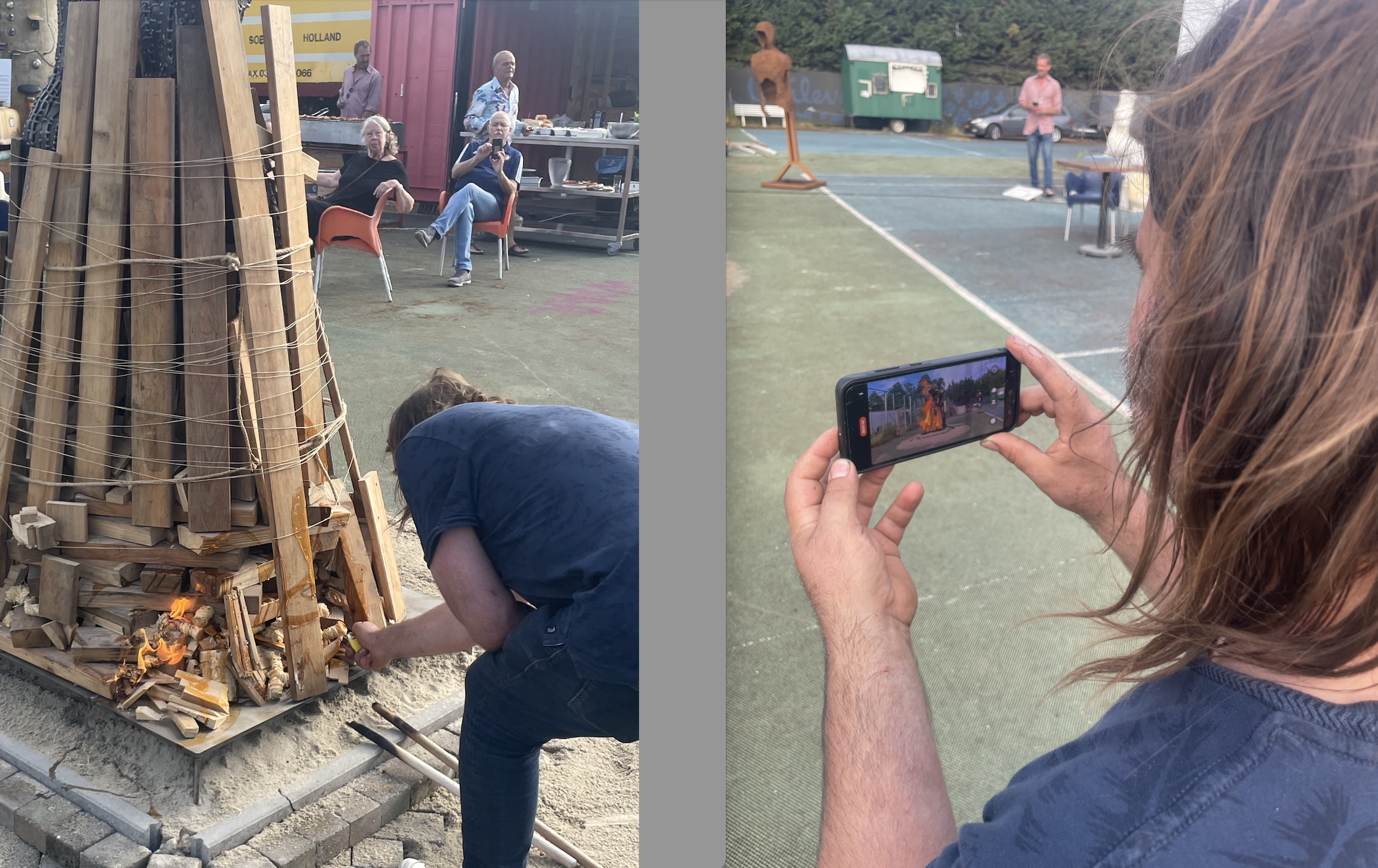
Frans setting fire to this art piece AND Frans filming it.
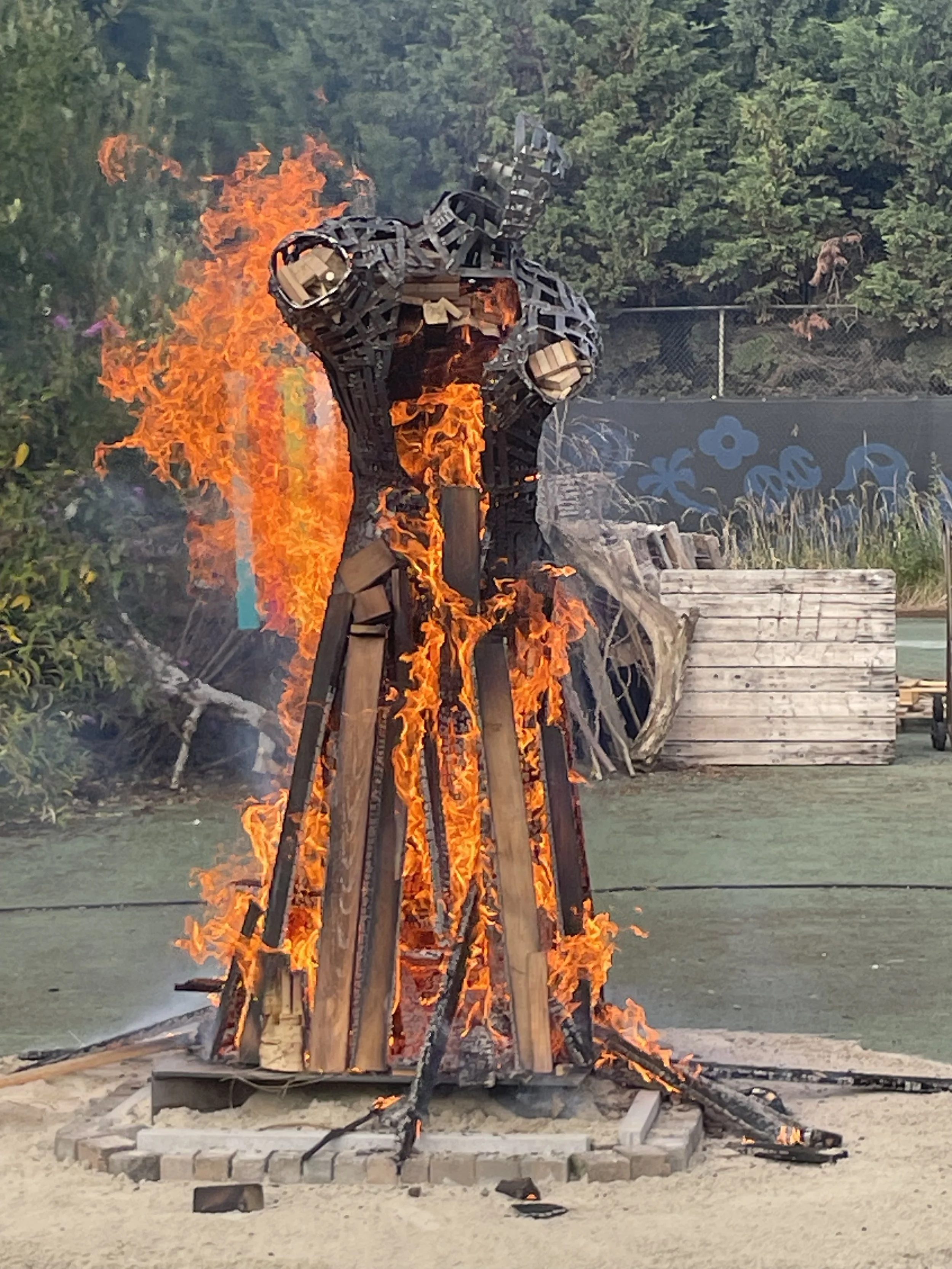
Thank you, Johannes and Leo, thanks to all of you who enjoyed this evening with us and thank you Frans! Another beaut, my friend. Another beaut.
‘Mimesis’, a feature by Onno Maat on Double Dutch magazine
‘Mimesis’, a feature by Onno Maat on Double Dutch magazine
Text and photos by Onno Maat
The ancient Greeks considered the physical world as a model for beauty, truth and the good. Their cultural life in general, and the arts in particular, were based on this principle, which they called “mimesis”. Plato and Aristotle defined mimesis as the perfection and imitation of nature, including human nature.
Imitation
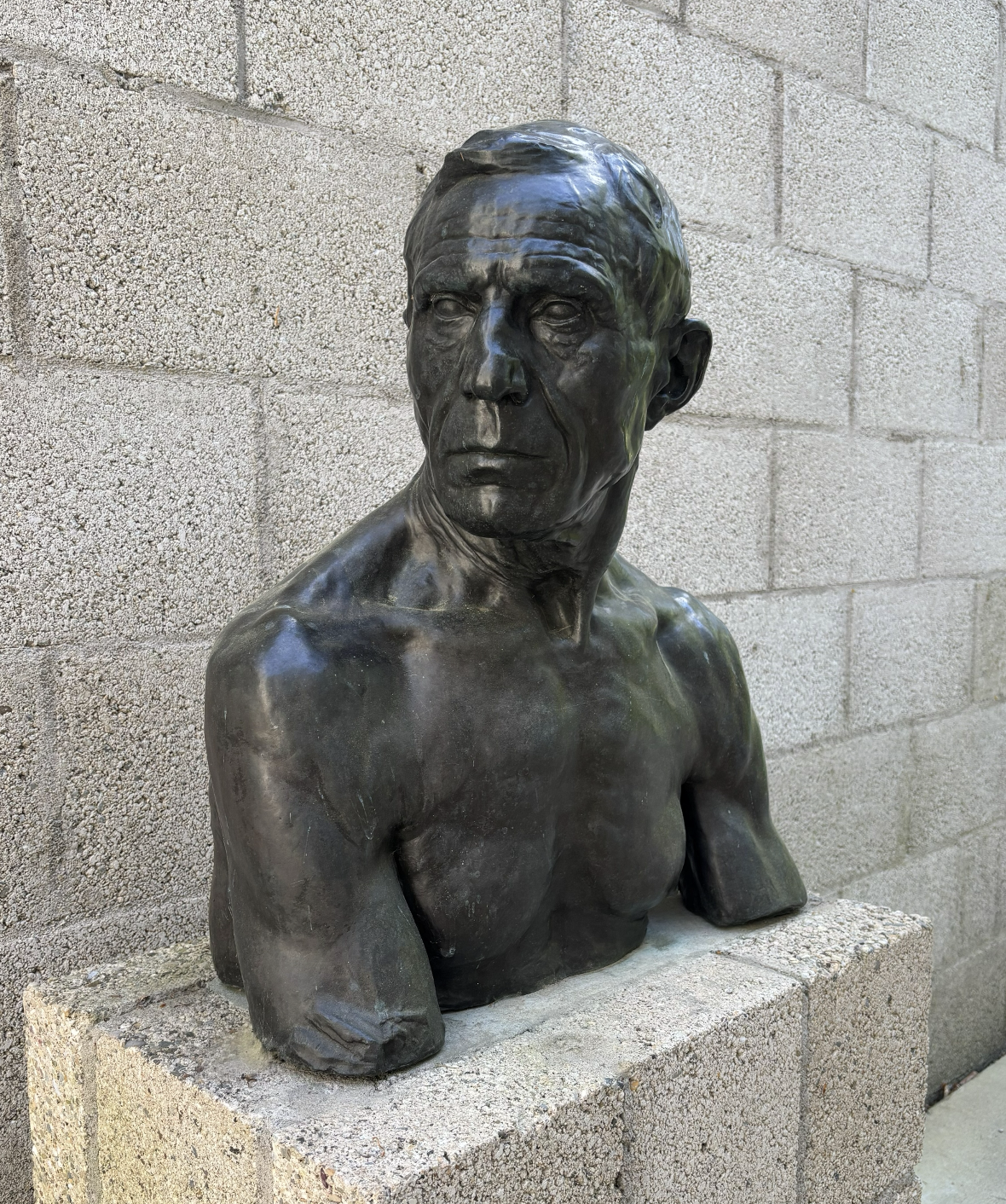
Here we see ‘Bust of a man’, 1911, by Belgian sculptor George Minne. While he is mostly known for his symbolic work, it is clear that he has also mastered the art of mimesis; the lines on the face, the wrinkles in the neck, the lightly accentuate muscle tone, all in a pose of someone looking away as if something caught their attention, to create a bust that is both lifelike and vivid.
It is what most people think of what art should be like; a beautiful and lifelike interpretation of reality.
Duplication
Consider then Giuseppe Penone’s ‘Faggio di Otterlo’ 1987-1988. Not an artist’s rendition of reality, but an actual copy; a bronze casting of a beech tree, standing in a lane amongst real beech trees. Or is there more?
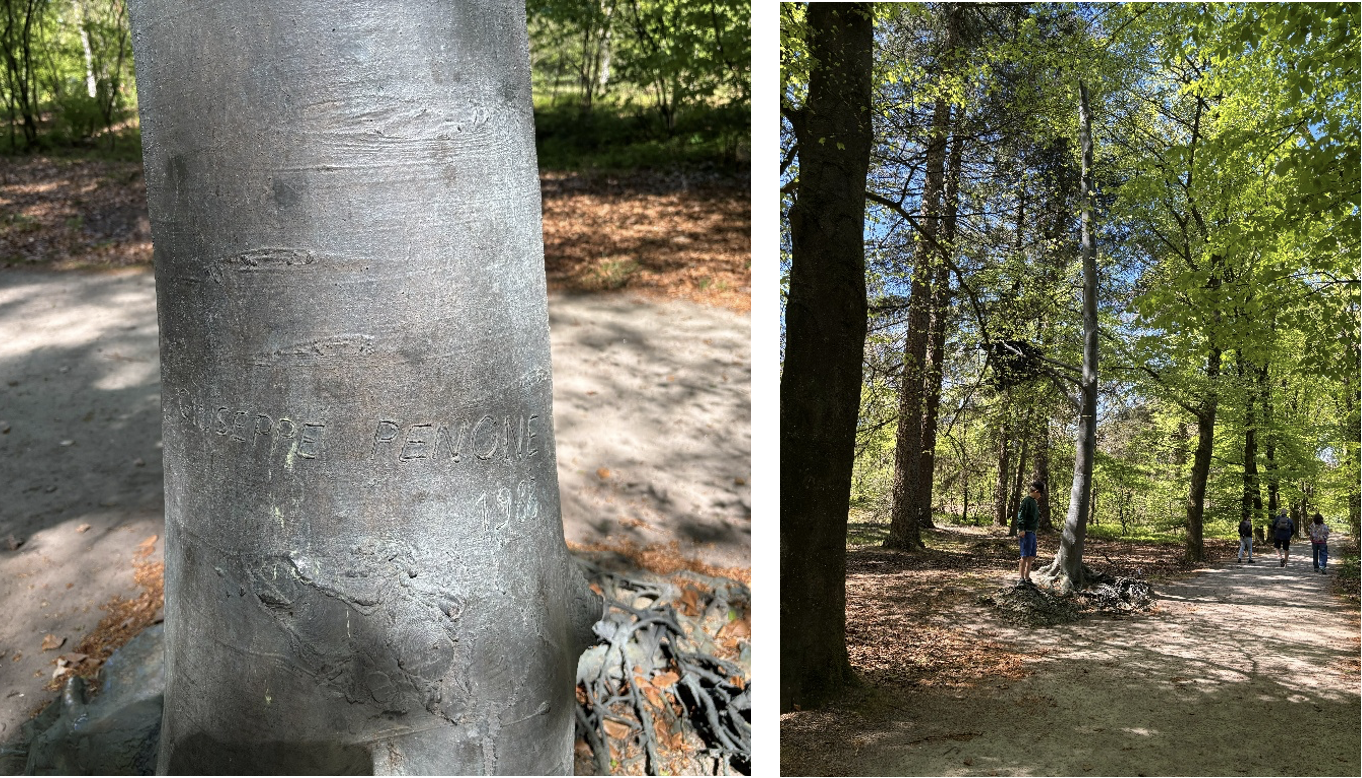
The air, wind, rain, and sun, all have affected the bronze surface that has taken on the colour of the surroundings, so that the Beech is barely distinguishable from the other trees in the row. Nature has played a part in shaping the sculpture in its own image, making it appear so real that many pass it without noticing.
Interpretation
In contrast, you cannot help but notice Jean Dubuffet’s sculpture ‘Jardin d’émail’, completed between 1968 and 1974. In the forest sits an impressive garden made from concrete, glass-fibre reinforced epoxy resin, polyurethane, and paint, its entrance cleverly disguised as a tree in the garden.
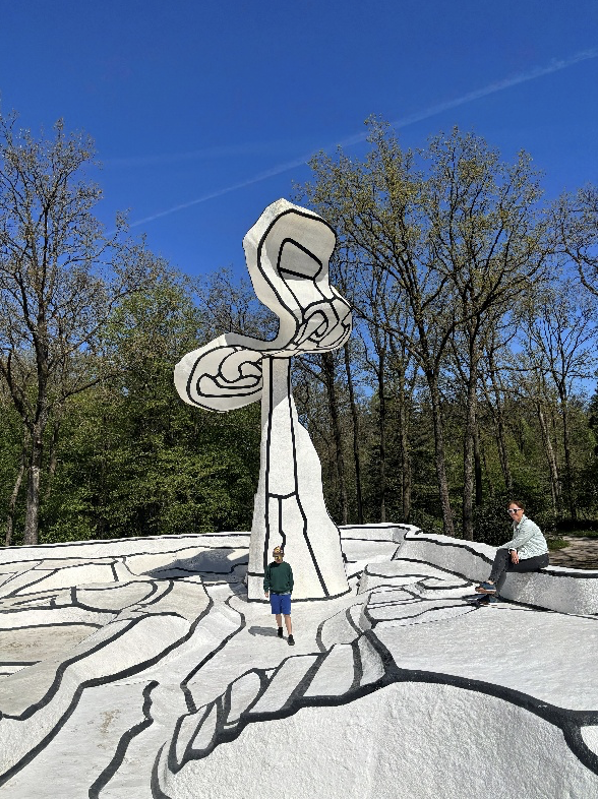
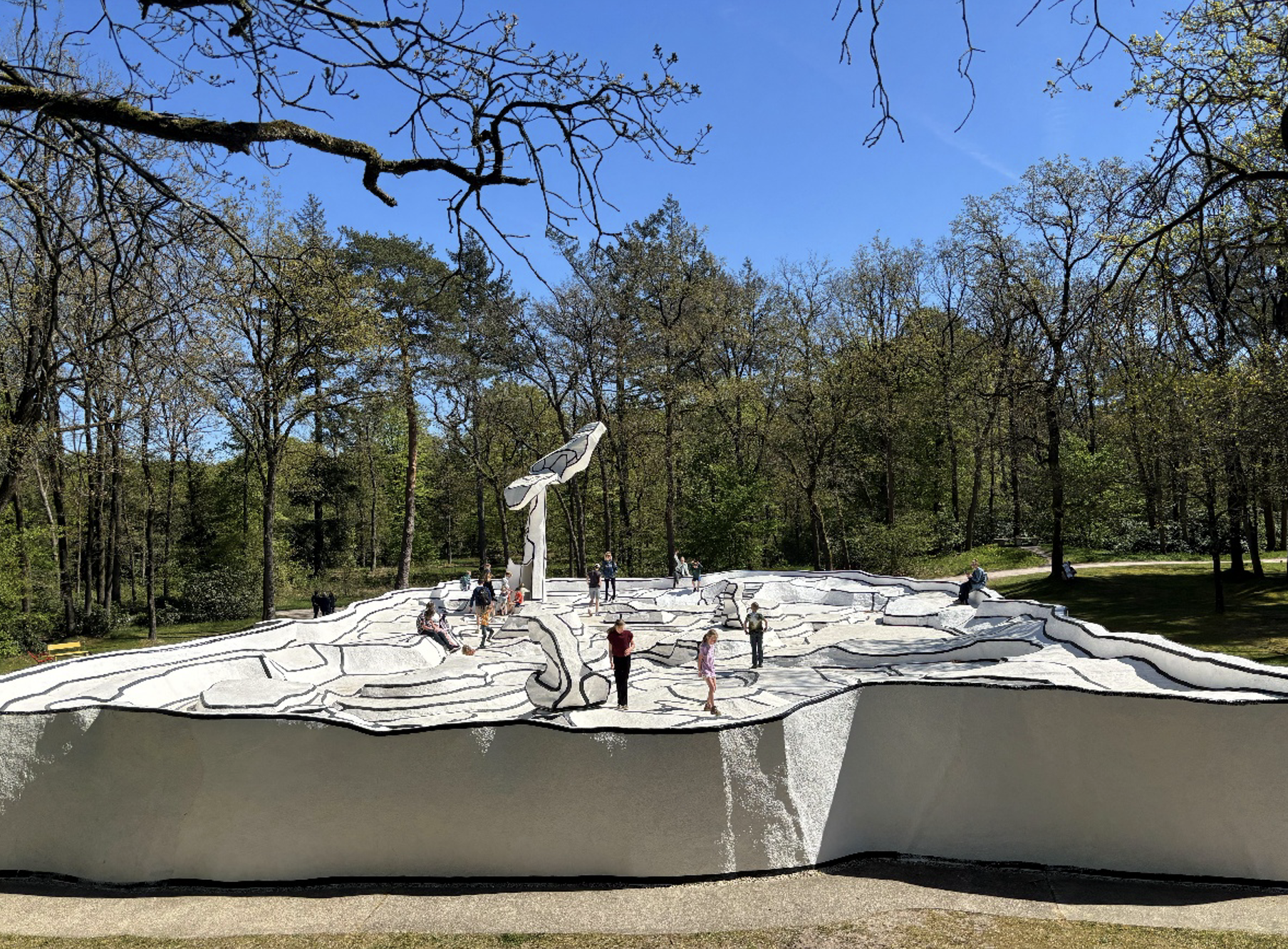
While it may not look like a real garden, it certainly functions like one. People enter it to just sit and relax, to enjoy the view, while children inevitably experience it as one big playground to run and play in. It does everything a garden should do and captures the essence of a garden.
Representation
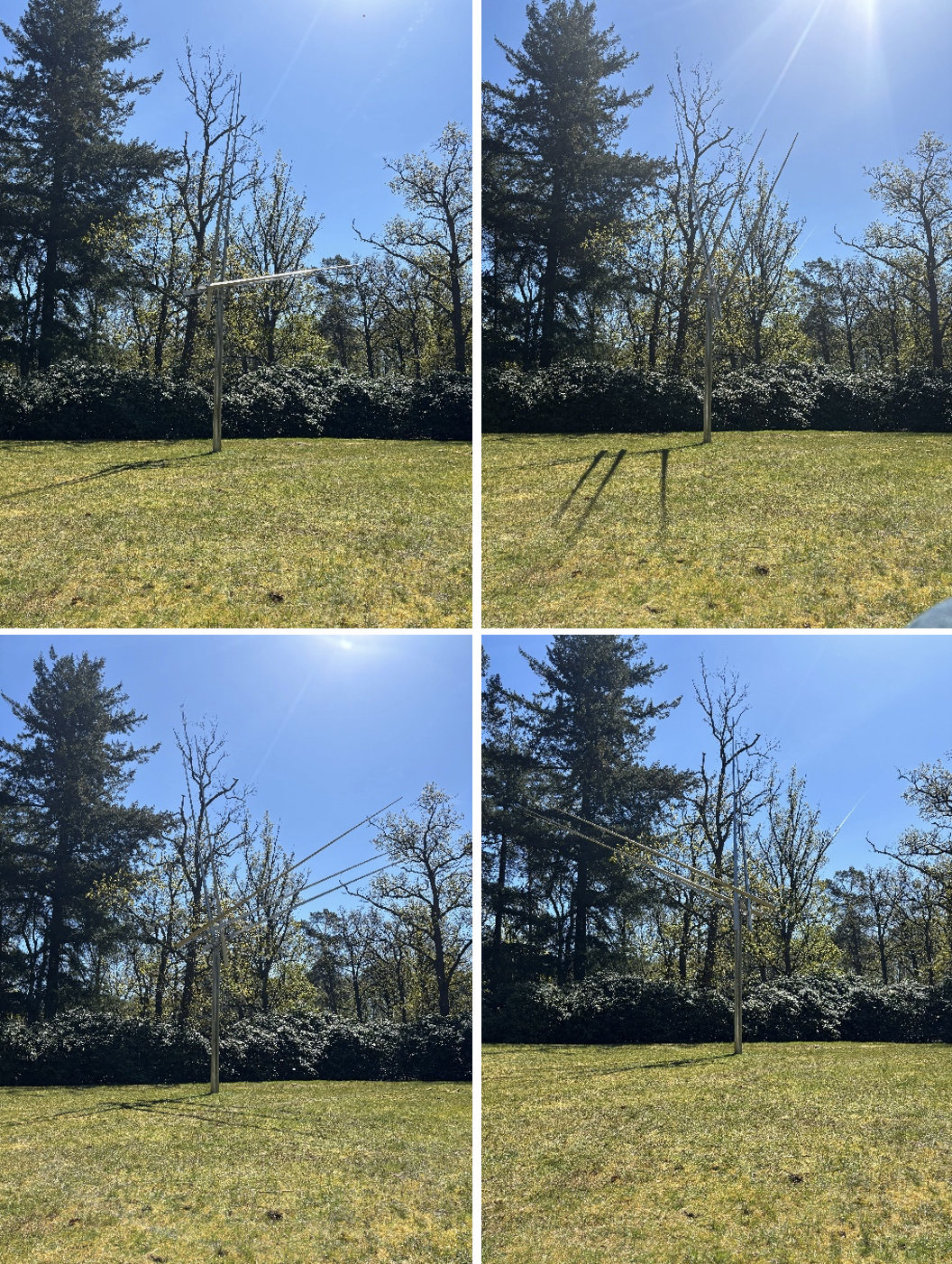
Similarly, George Rickey’s “Two Vertical, Three Horizontal Lines”, 18965-1966, perfectly represents a tree, without actually looking like a tree. Five needle-shaped lines gently move by the wind, silently swaying independently of each other in horizontal and vertical directions and rotating around a vertical axis. It perfectly captures the movements of the trees around it, and makes for a mesmerizing, almost zen-like experience to watch.
The Mirror
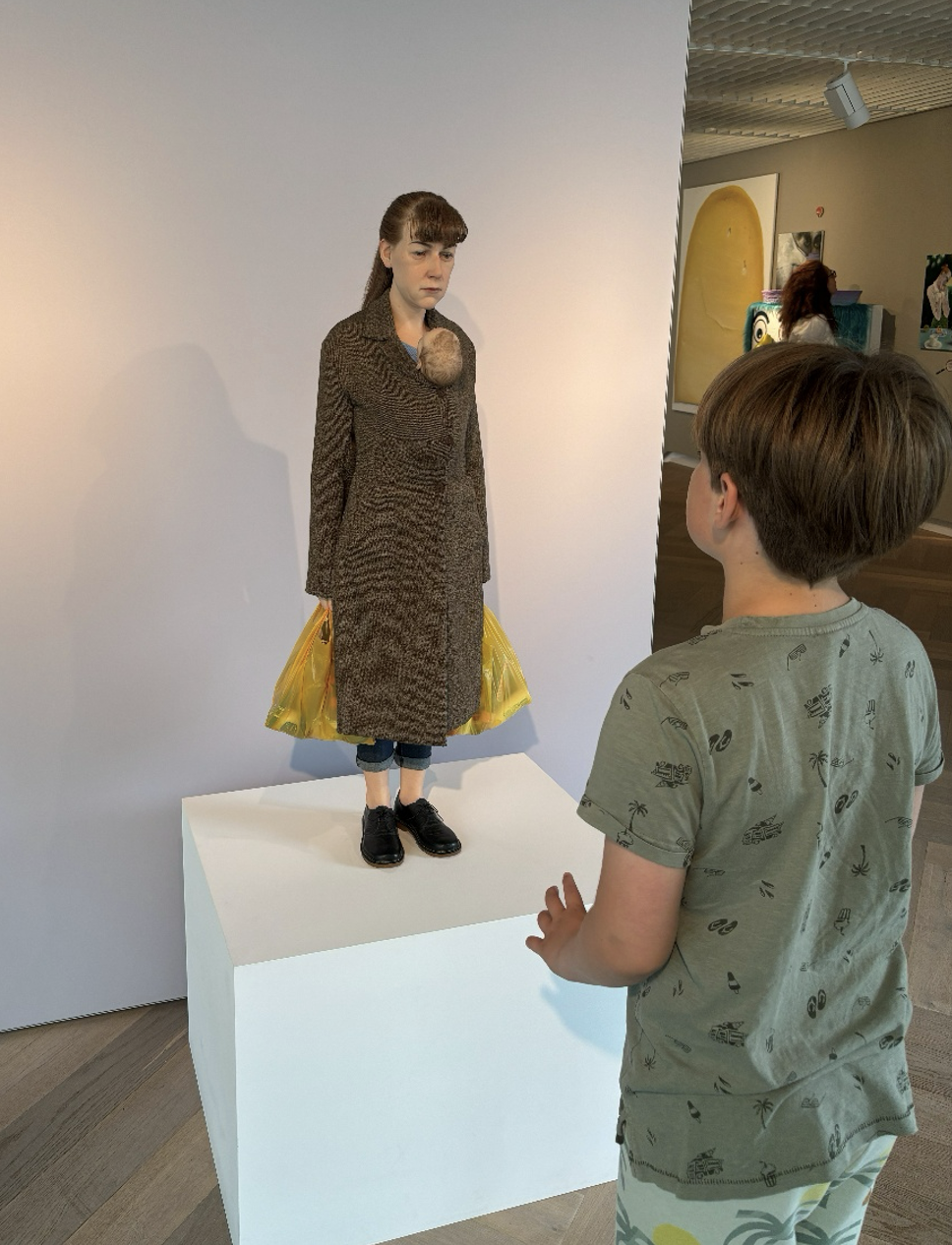
Ron Mueck is known for his hyper realistic sculptures that are almost undistinguishable from reality, were it not for their seize.
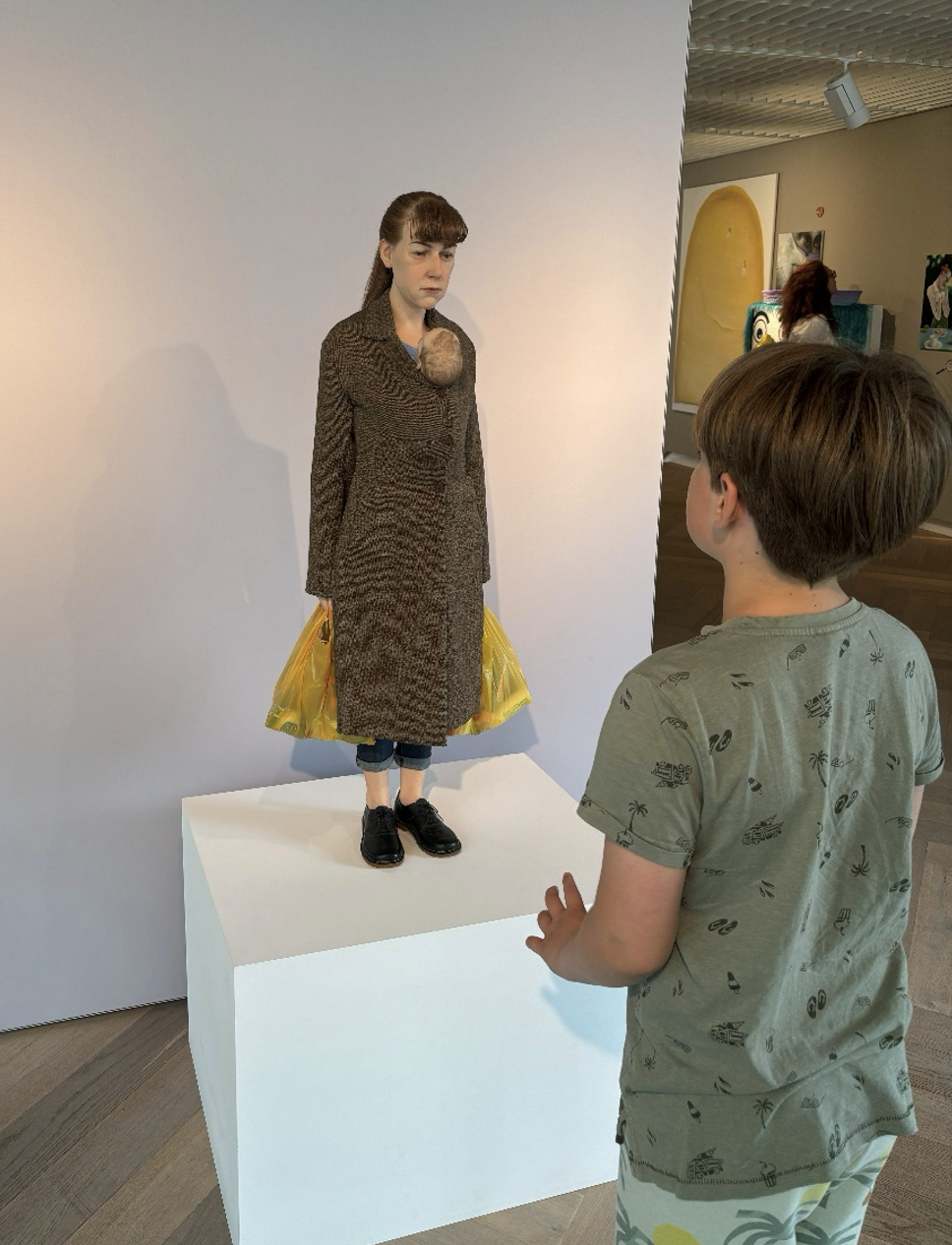
‘Woman with shopping’, 2014, is no exception; a hyper realistic sculpture of a woman and her baby, carrying shopping bags, the image is more real than real and at the same time alienating. The smallness ads to the sense of fragility of life and conveys an image of a mother that is maybe struggling to get by. As such it becomes a mirror to confront us with our reality.
If that is not mimesis, I don’t know what is.
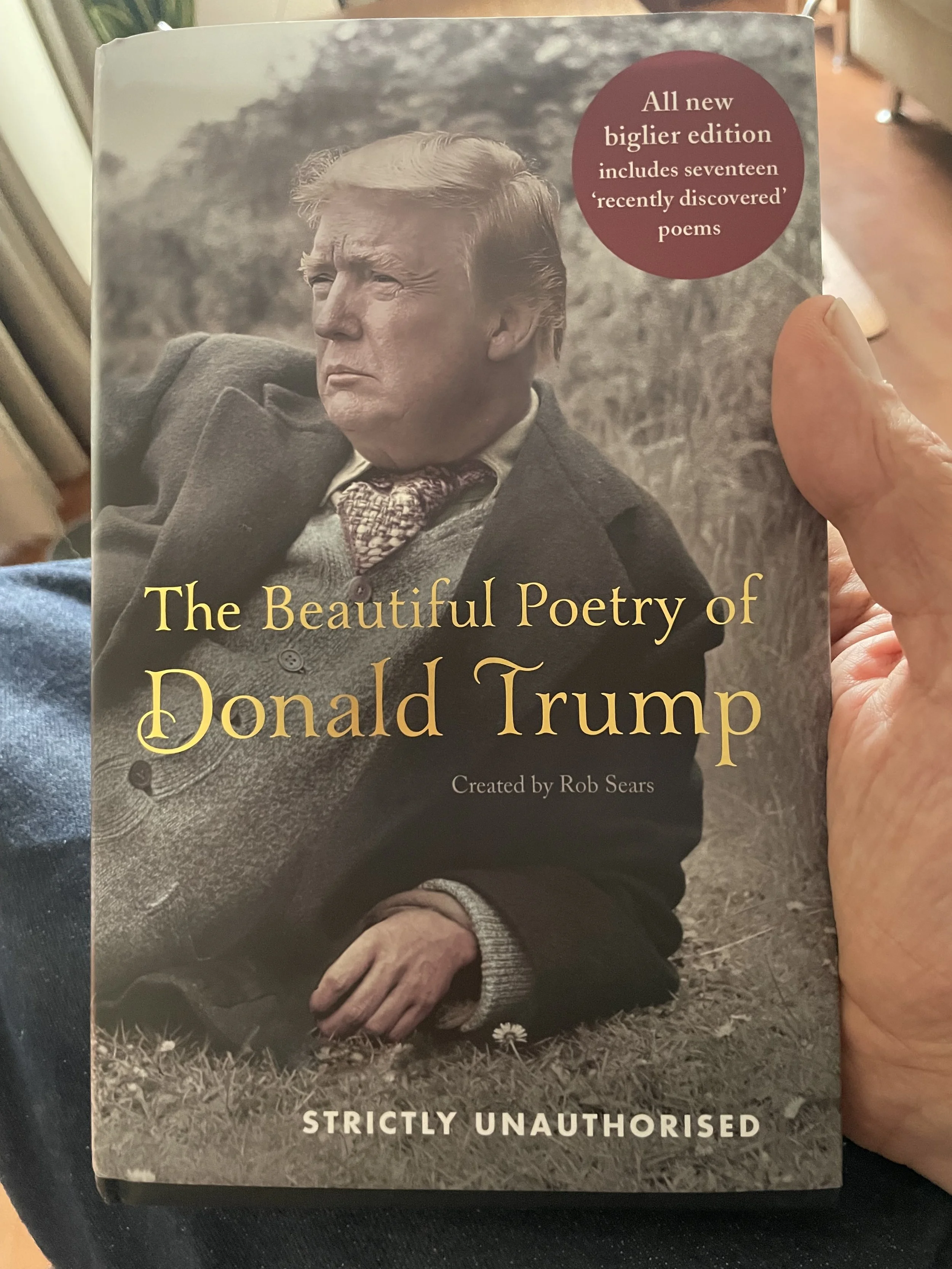
‘The Beautiful Poetry of Donald Trump’ featured on Double Dutch magazine!
‘The Beautiful Poetry of Donald Trump’ created by Rob Sears featured on Double Dutch magazine!
Get it here!
Double Dutch magazine is a safe space. For quality. Any left AND right wing poet/artist is welcome here, because we judge the work, not the world view. Not that there have been a lot of conservative Christian (or idem Islamic for that matter) contributors/submissions for example, true, but we’re happy to publish any verse that blows us away, no matter if we like the message or not? Consider this a challenge! We pride ourselves on this, even. Which did raise, for some, the alarmingly irrelevant but I guess easy to conjure up question wether or not I (Benne) might secretly harbor sympathy… Well, fuck you. How’s that. Personally I think Donald Trump is the worst thing that ever happened to Democracy. He’s a king. Period. Happy now? Moving on:
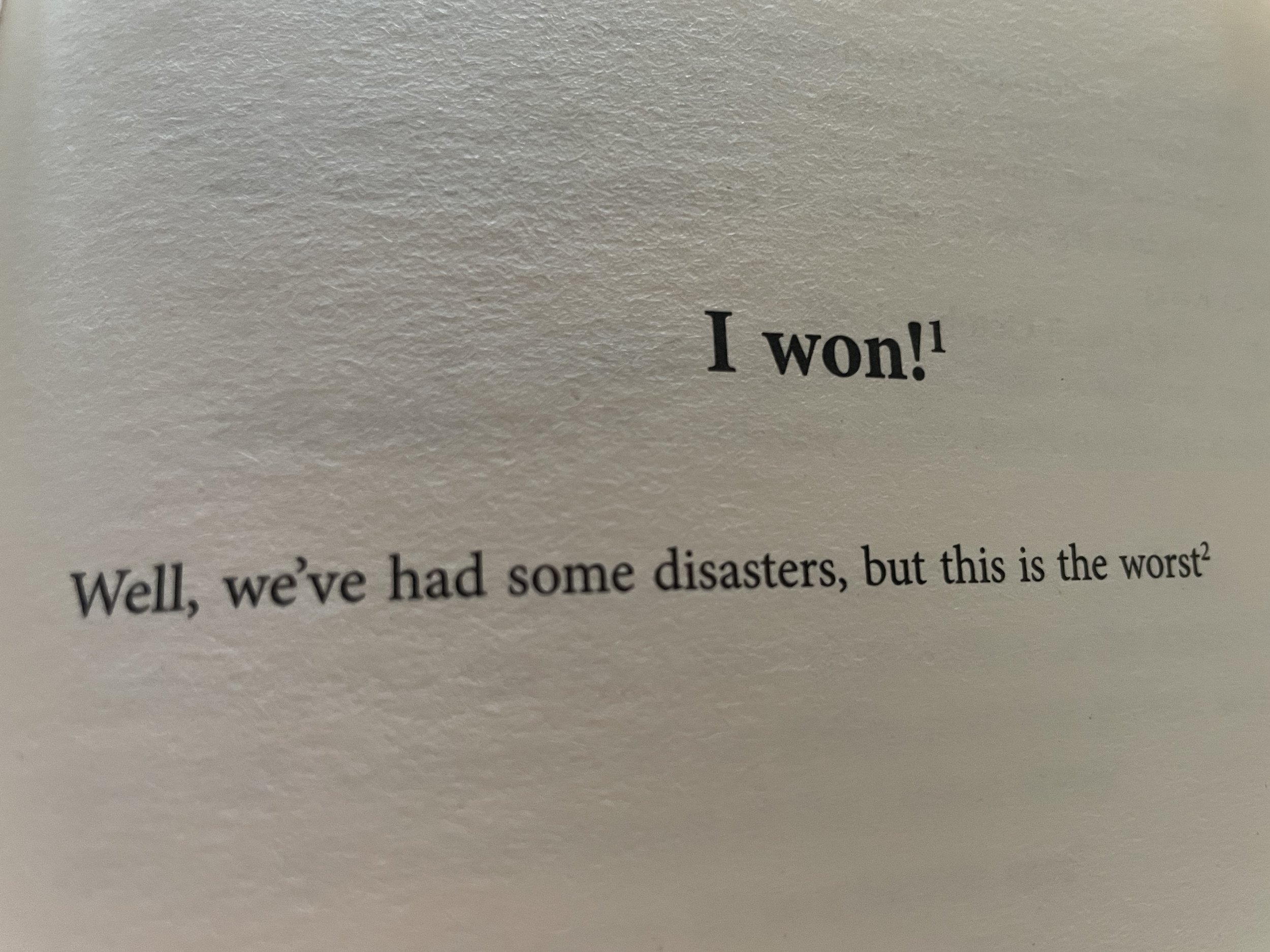
1 Tweet referencing US Presidential debate, 21 October 2016
2 The Apprentice, 2004 season
‘The Beautiful Poetry of Donald Trump’ by Rob Sears, author of other hilarious titles like ‘Vladimir Putin: Life Coach’ and several highly praised children’s books as well, does something brilliant with this volume: he makes me laugh AND cry, showing how easily we forgive and forget when we get tired and/or frustrated of the political jousting and compromises that democracy entails. Juggling the orange Idiot’s quotes into little gems like:
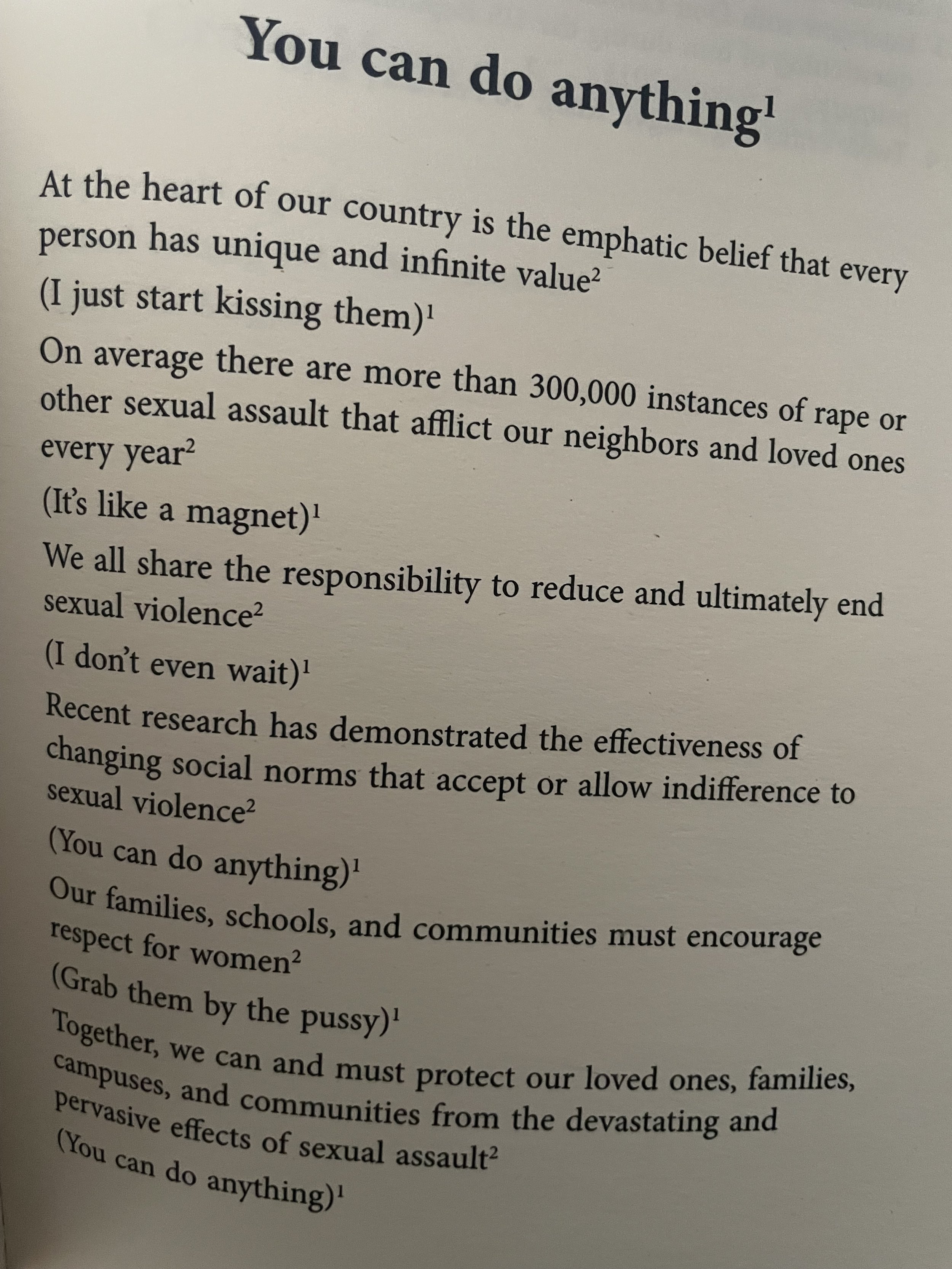
1 Access Hollywood tape, 2005
2 Proclaiming National Sexual Assault Awareness and Prevention Month, 31 March 2016
And, yes, it seems he can. So far. I truly think he’s lied himself into a state of mind where he actually believes everything that comes out of his mouth, or phone. Doesn’t matter at all if he says one thing now and the complete opposite next. + his court of jesters and lackeys certainly won’t dare voice dissent, but that’s not enough is it? With an ego as fragile as Donald’s everybody has to love him. They just have to. So, they do:
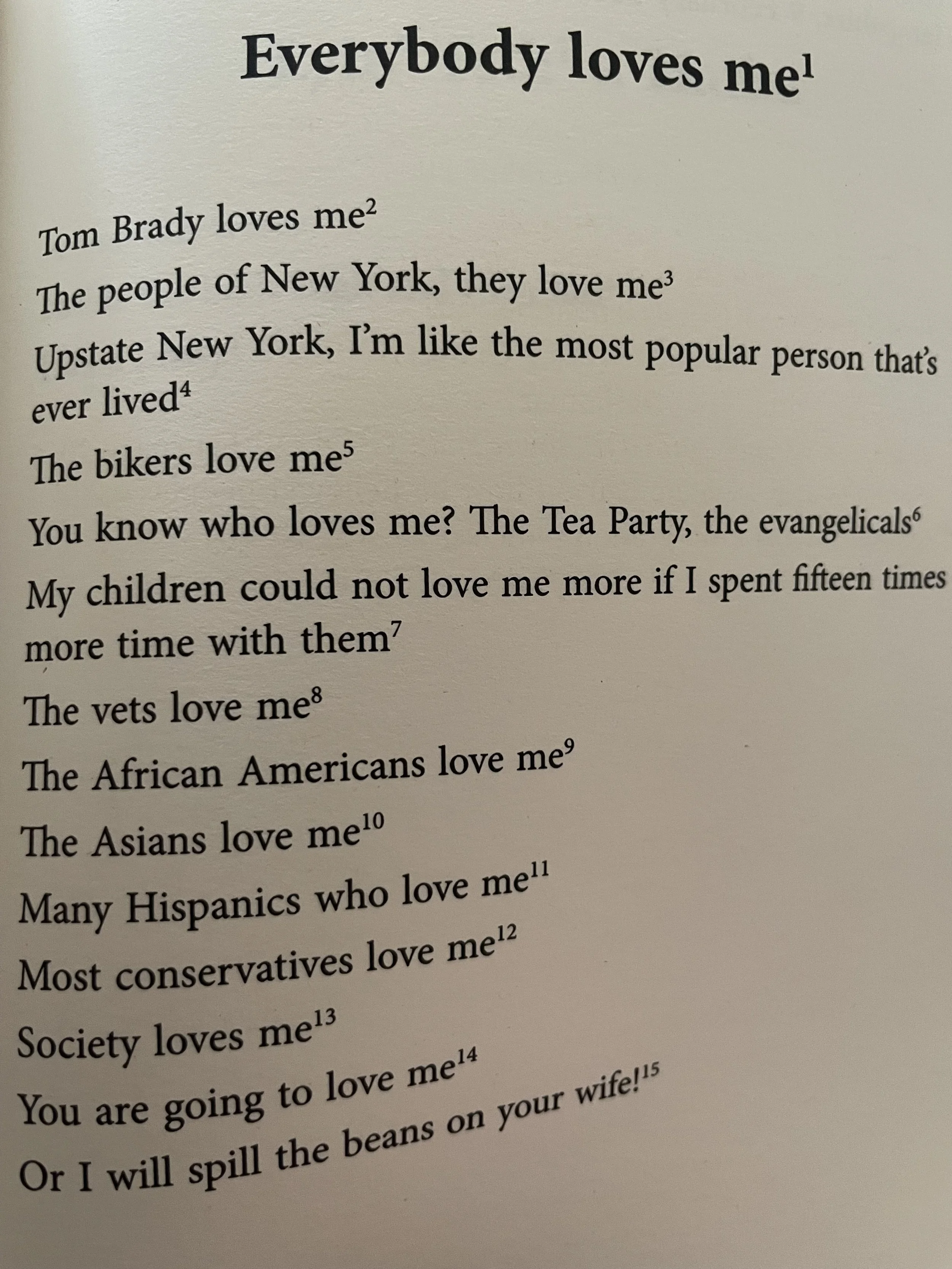
1 Interview with Anderson Cooper, CNN, 8 July 2015
2 Interview with Bob Woodward and Robert Costas, 8 April 2026
3 Adress to supporters in Laurenceville, New Jersy, CSPAN, 20 May 2027
4 Interview with CNN, 21 February 2016
5 Washington This Week, CSPAN, 3 April 2026
6 CNN Tonight with Don Lemon, CNN, 30 September 2025
7 New York Magazine, 13 December 2004
8 Morning Joe, MSNBC, 24 24 July 2015
9 Media Buzz, Fox News, 25 January 2016
10 First Look, MSNBC, 4 September 2015
11 America This Morning, ABC, 9 October 2015
12 Meet The Press, NBC, 24 January 2026
13 Anderson Cooper 360 GOP Town Hall, CNN, 19 February 2016
14 Remarks at Iowa State Fair on how he believed people would respond to his immigration policies
15 Tweet threatening Ted Cruz, 22 March 2016
Is it all brilliant? No. No it isn’t. There are a lot of ‘poems’ here that do not quite hit the mark, for me at least, but that’s probably to do with me not being an American? I might not get a lot of references made, or do not feel for a lot of people targeted or otherwise mentioned. But what I do love, I love a lot! Want to own your own copy and find out what your favorites turn out te be? I highly recommend you do. Get it right here!
I’ll leave you with my personal favorite, because, again, why cry if you can smile ey? Donald Trump; not particularly good at a lot of things, master of all!
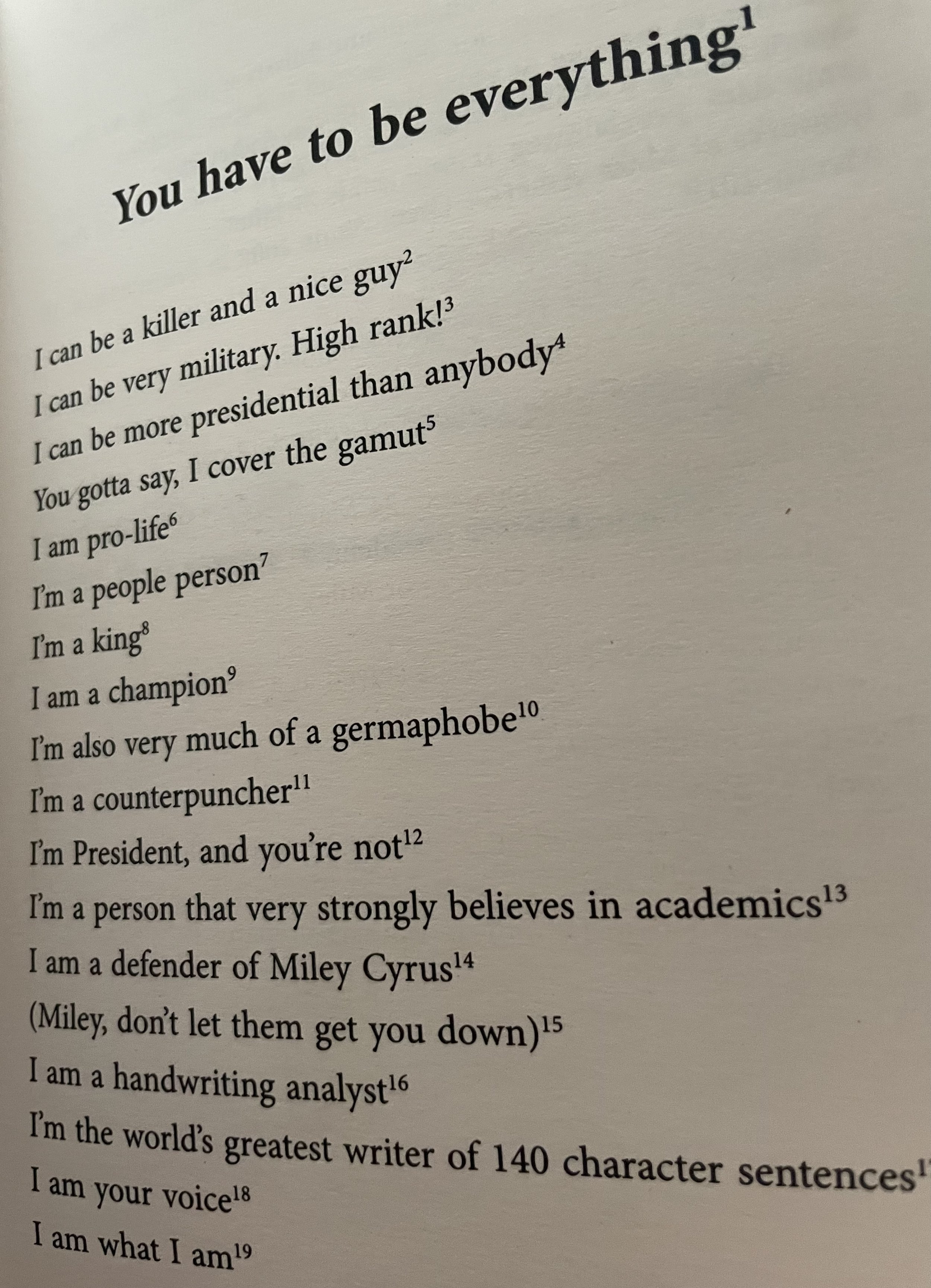
1,2 Interview with Playboy magazine, 1990
3 Tweet referencing Time at New York Military Academy , 15 August 2013
4 Speech after winning Michigan and Mississippi Presidential primaries, 8 March 2016
5 Interview with The New Yorker, 19 May 1997
6 Statement on Facebook, 16 Februari 2026
7 News conference with Theresa May, 27 January 2017
8 Audience at Stornoway airport, 9 June 2008
9 Transcript from unaired ABC Primetime interview, 1994, The Hollywood Reporter, 13 October 2016
10 Press conference at Trump Tower following salacious unverified allegations published by BuzzFeed, 11 January 2017
11 Meeting with the Washington Post editorial board, 21 March 2016
12 Interview with Time Magazine, 24 March 2017
13 Visit to CIA on first day as President, 21 January 2017
14 Tweet critiquing outfit choices of Miley Cyrus, 23 September 2013
15 Vine posted while Miley Cyrus stayed at a Trump hotel, 29 August 2013
16 Tweet, 14 January 2013
17 Tweet, 21 July 2014
18 Republican Party Presidential candidate nomination acceptance speech, 21 July 2016
19 Interview with Don Lemon on how he prepares for debates, CNN, 28 July 2015
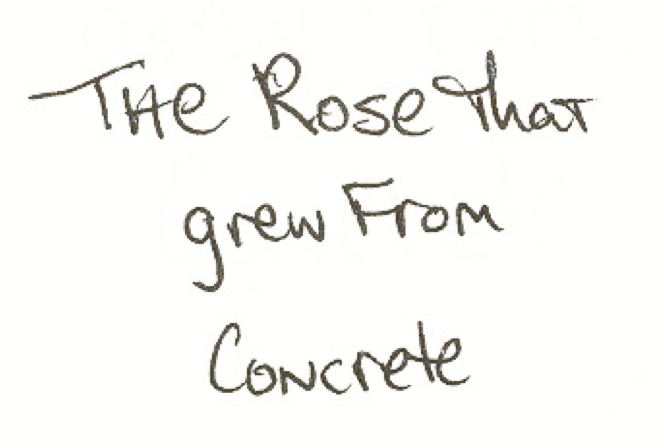
The terrible poetry of Tupac Shakur
The terrible poetry of Tupac Shakur NOT featured on Double Dutch magazine!
is… weirdly comforting? Don't get me wrong, it IS bad, and I mean really, really bad… The rhymes are… stale and the metaphors present, if any, utterly banal. So terrible and their posthumus publication such an obvious cash grab in fact that I’m not going to talk about almost all of them here. Don't believe me? Please do not go and buy ‘em to want to prove me wrong. You’ll thank me. Here you illegally go:
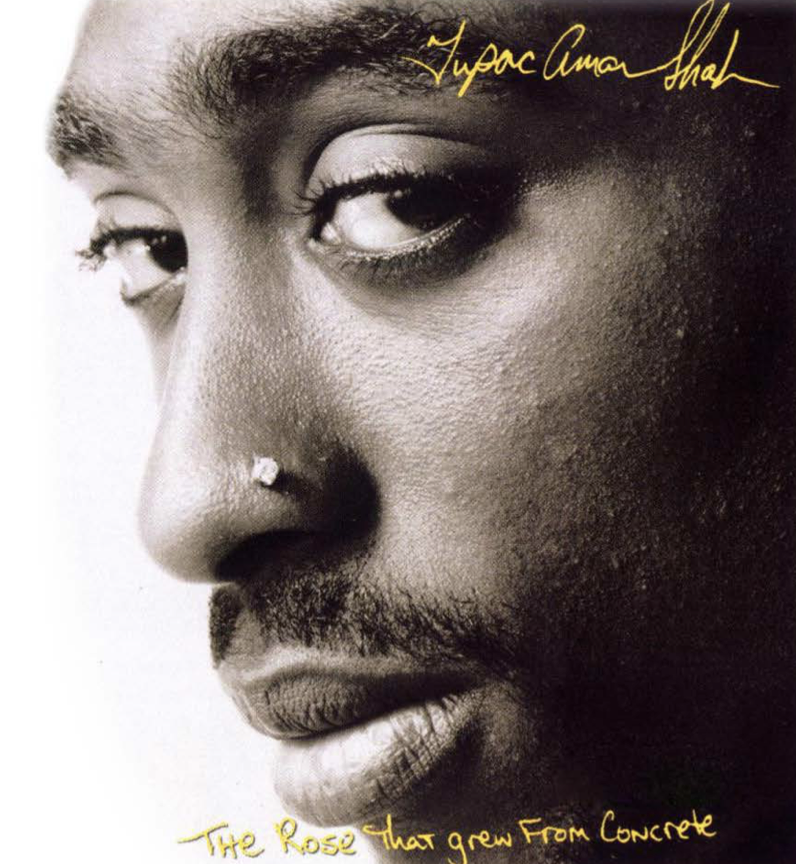
Click on the link for the entire volume!
So why comforting? In contrast to another Icon’s poetry I have had the displeasure of falling out of love with (in Jim’s case after revisiting it decades later), Tupac was just a kid when he wrote most of his verses. A teen age boy. Genius yes, later on, but his poetry from back then isn’t much better than mine was at the time? Showing me that transpiration is still 90% of the creative process, even for the Tupacs of this world, and that it’s perfectly ok that finding your voice can take a lot of time. And Tupac did try a lot of things. I heard this fan favorite gangsta rapper was not too bad a ballet dancer, just saying.
To be as fair as possible I scoured the volume and found 3 (Yeh!) verses that did show some promise:
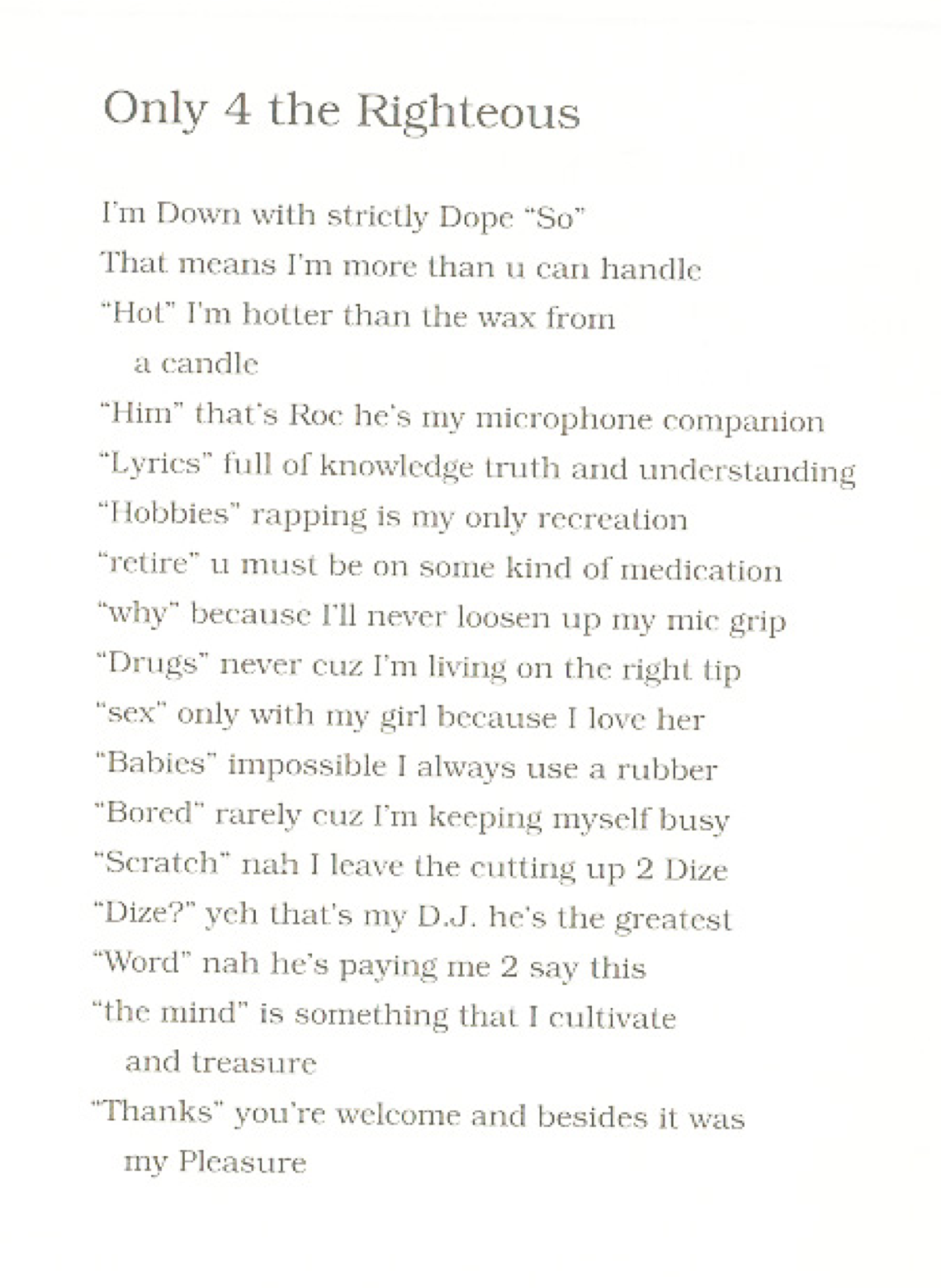
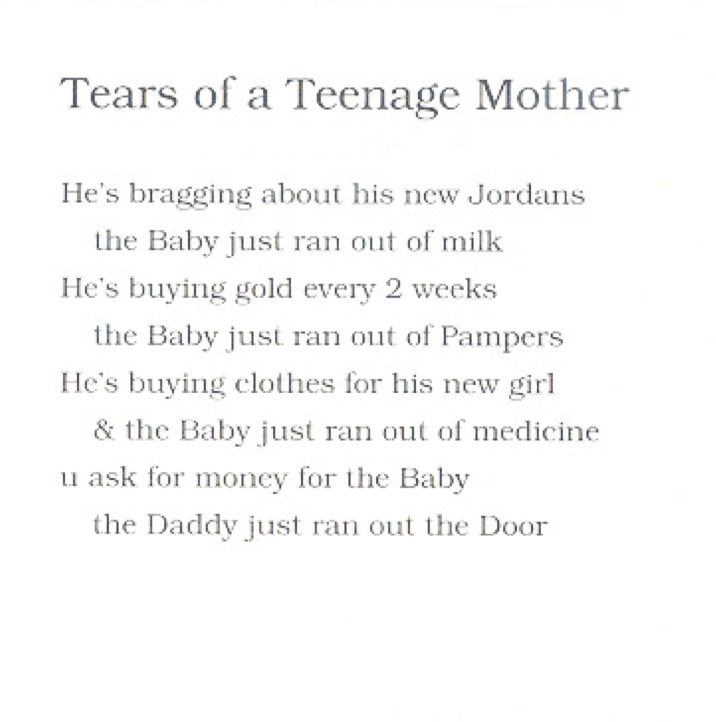
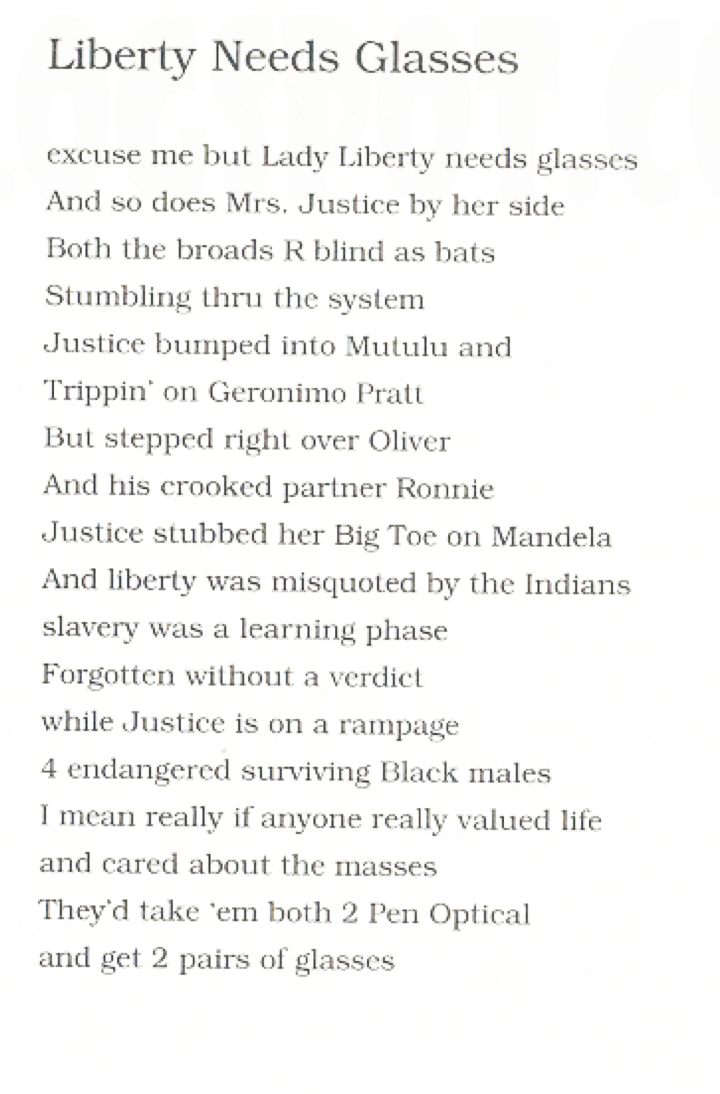
But that’s about it. I’m disappointed, sure, because believe me or not, starting this piece I wanted to be blown away by his written work, I really did? And don’t dismiss me as not being a fan of him rapping. Because here’s what having fully grown into your trade/craftsmanship truly looks and sounds like:

MEDI (Music Economy Development Initiative)
the Music Economy Development Initiative (MEDI) featured on Double Dutch magazine!
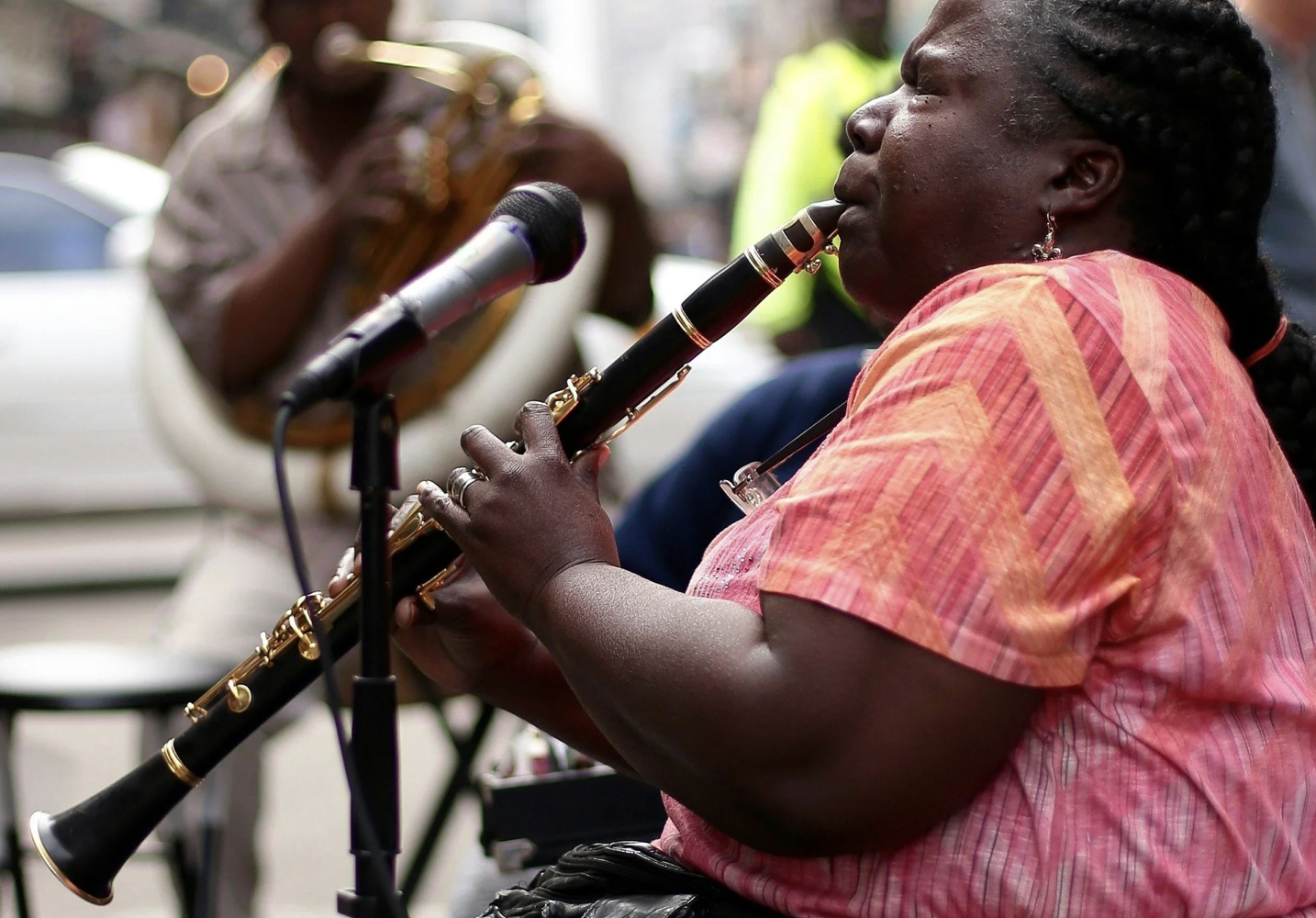
The Music Economy Development Initiative (MEDI) is a global partnership driven by the Center for Music Ecosystems, Global Citizen, and international and local partners. Its mission is to expand music's potential to eradicate poverty and create a better future.
What MEDI does!

Research
The MEDI portal is a definitive source of country‑specific data and case studies demonstrating music's economic and social potential. It is free to access and aimed at accelerating understanding of how music can be a tool to address global poverty and foster economic development.

Partnerships
MEDI will facilitate programs, policies, and investments to support the development of music ecosystems in Africa and worldwide. These include Move Afrika, investments by governments, multilaterals, and the private sector in music infrastructure, and support for national copyright and infrastructure reform.
How do they do this?
The MEDI research portal will provide policymakers, governments, and private sector partners with research, economic data, case studies, and frameworks to map music's potential to fight extreme poverty. The data will provide the foundation to support local ecosystem development, including policy and copyright reform, infrastructure investment, skills training, education, and capacity development.
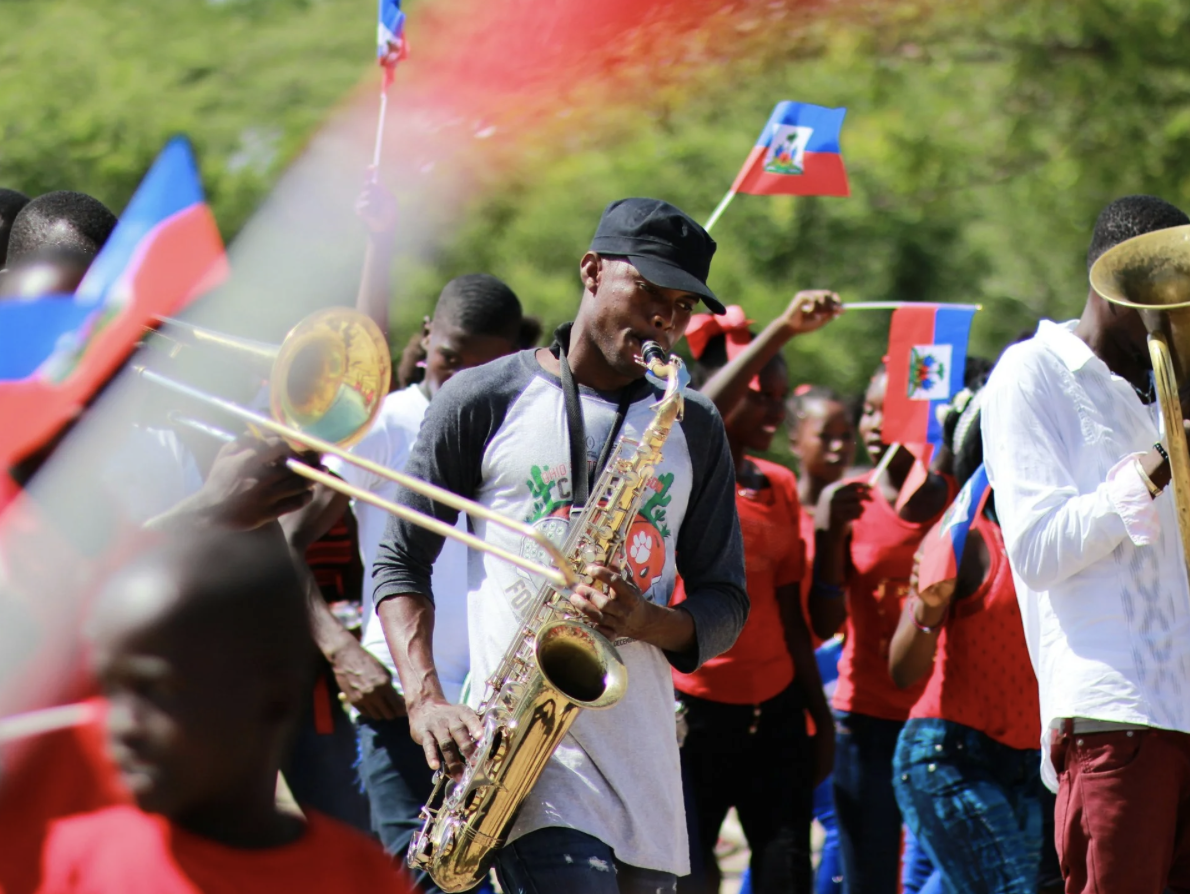
Why does this matter?
Music moves us, unites communities, and inspires hope.
Yet, while music’s value is shared worldwide, access to its economic benefits is not. Many countries lack the essential foundations for treating music as an economic good, including robust copyright regulation, access to education, skills development, and live and recorded music infrastructure. This reduces the potential value of music to accelerate global economic development and advocacy efforts to create and enforce copyright, infrastructure, and education policies needed to accelerate its value and realize its potential.
The World Bank has stated that we need 1.2 billion jobs to meet demographic demand, but only 420 million are set to be created. Our vision is simple: in villages, cities and countries, music fuels incomes, concerts create jobs, and studios support neighborhoods. A young person with a guitar, a voice, or a song idea can succeed as an entrepreneur. And all this activity is helping to address extreme poverty.
Everyone, everywhere, should have access to music's economic potential. MEDI’s mission—in partnership and collaboration with a broad coalition—is to ensure this happens.

Looking to the future!
With this research, they aim to centralize music as a powerful, accessible tool everywhere to fight extreme poverty. The goal is to support, with local experts who understand what’s best for their localities, stronger foundations for intellectual property regulation, music education, and investments in music infrastructure. The more we demonstrate that music is an economy, the more it will be treated as an economic good.
Please join them in this mission by donating?
Thank you!
How attending an improv theater show is a great (spoiler) excuse!
How an improv theater show is a great spoiler excuse! On Double Dutch magazine
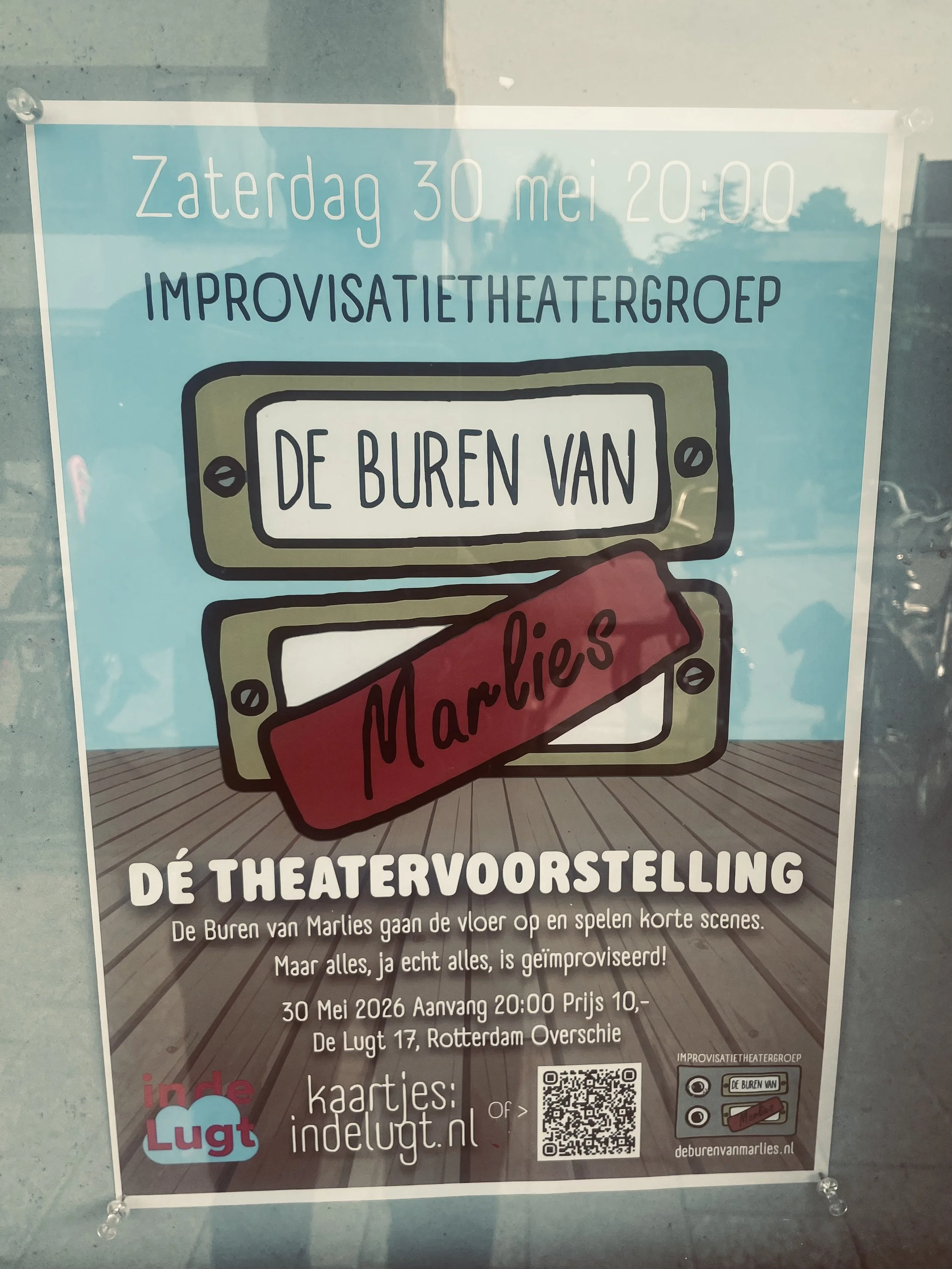
Saturday, 30th of May, 20:00 - Theater improvisation group ‘De Buren van Marlies’
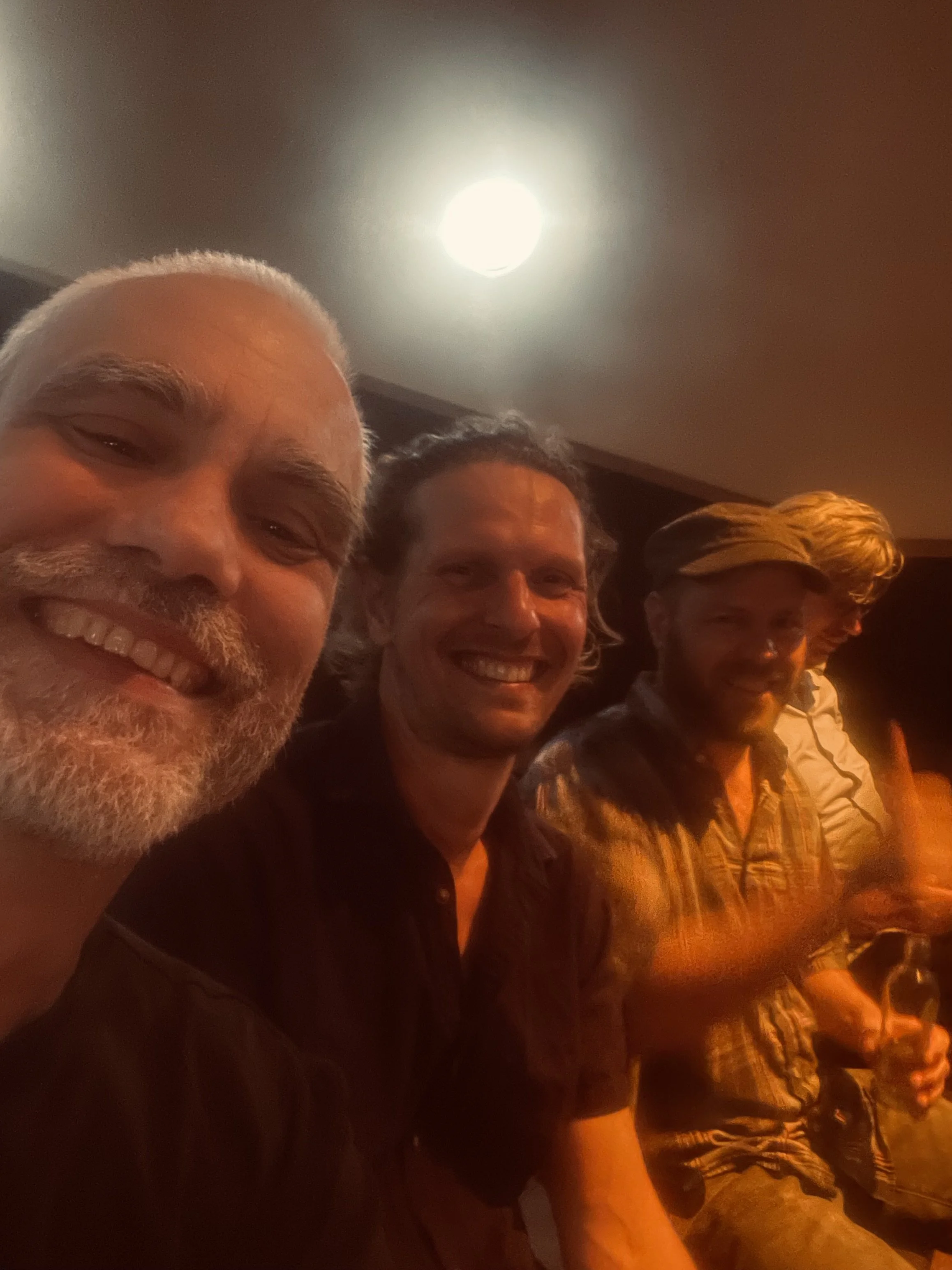
Waiting for the show and (Spoiler) Martijn!
It had been a while. Busy lives, etc, etc. But we were in for a treat. (Spoiler) Martijn’s new passion shone through in a big way. Proud of you, mate!
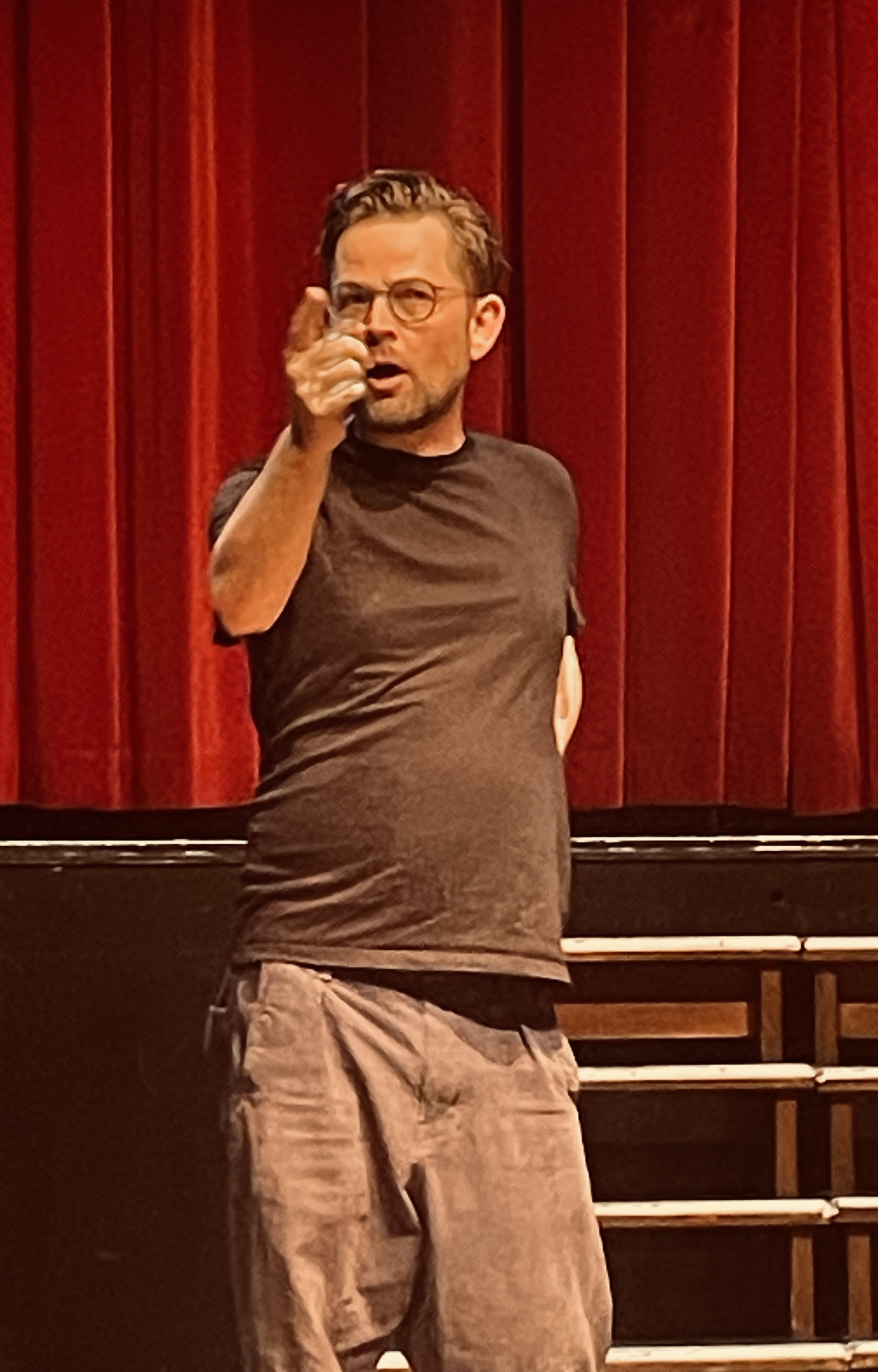
(Spoiler) Martijn as a drunk guest at a pensioneer party.
The whole group was amazing, I must say. I don’t have the guts to, that’s for bloody sure. Great scenes, great songs, and I must have taken a gazillion photo’s? … Yeah. But here’s some more with/featuring… (spoiler) Martijn:
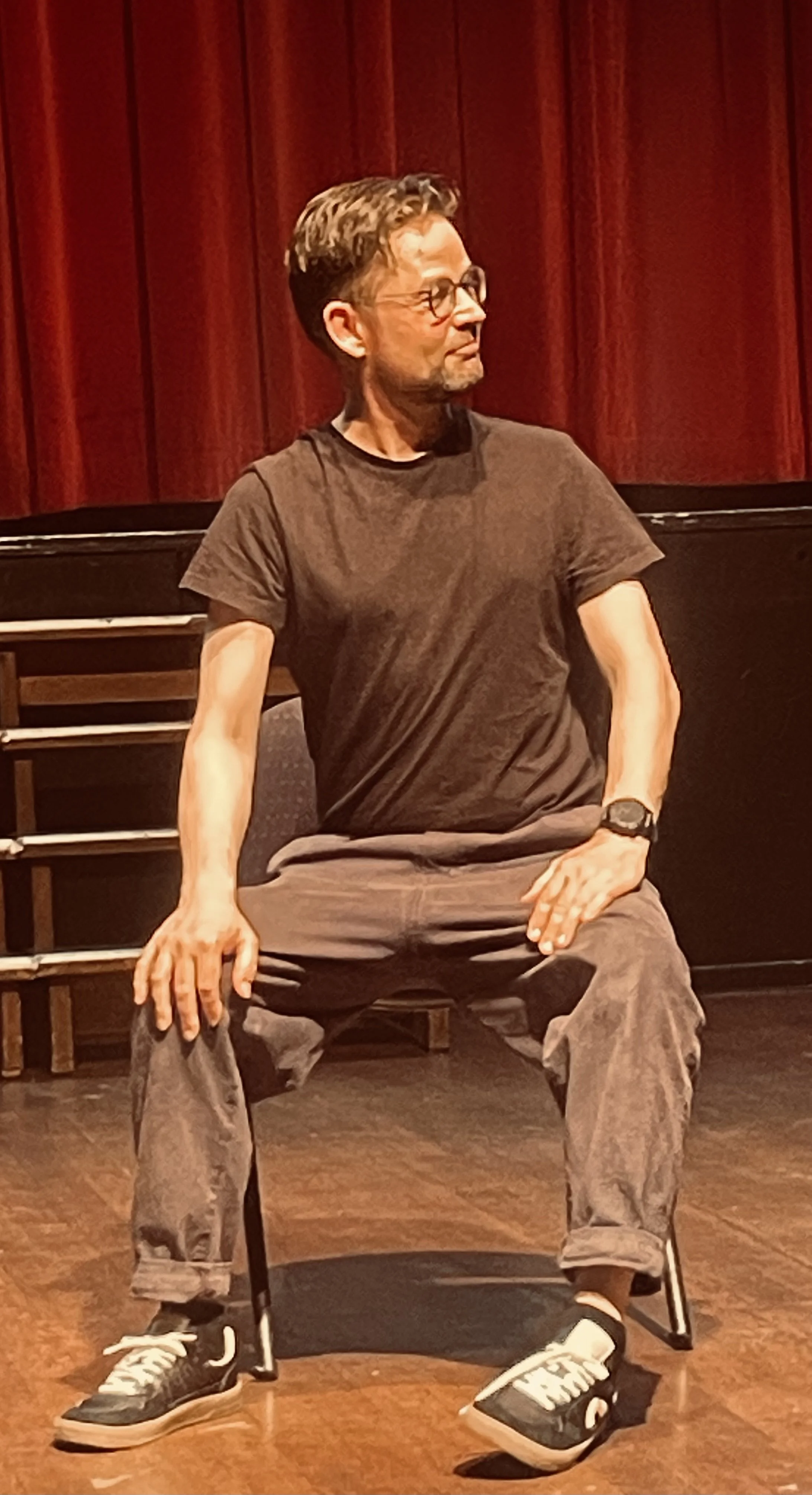
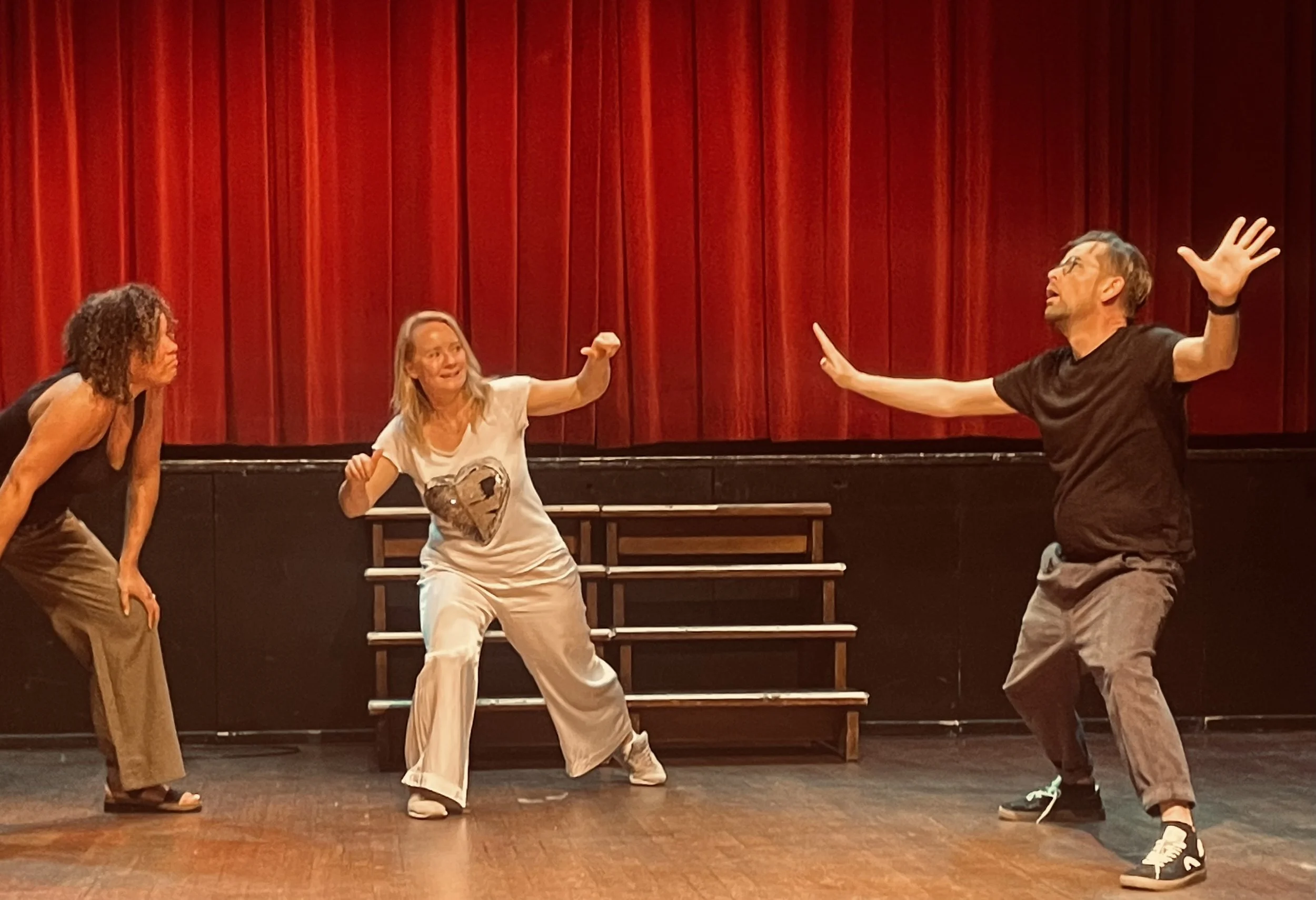
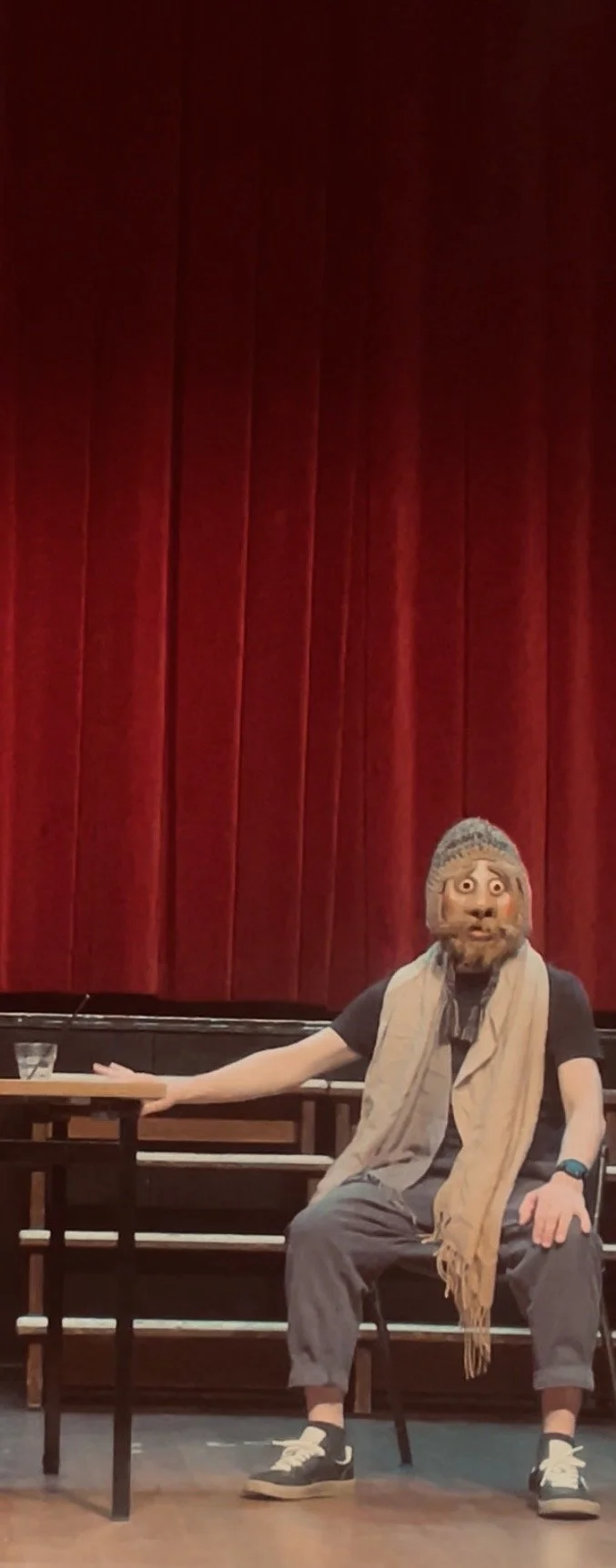
The highlight, for me, was a scene in which 2 players had to portray a first date, but with masks on, and without speech. Guess who was one of those…
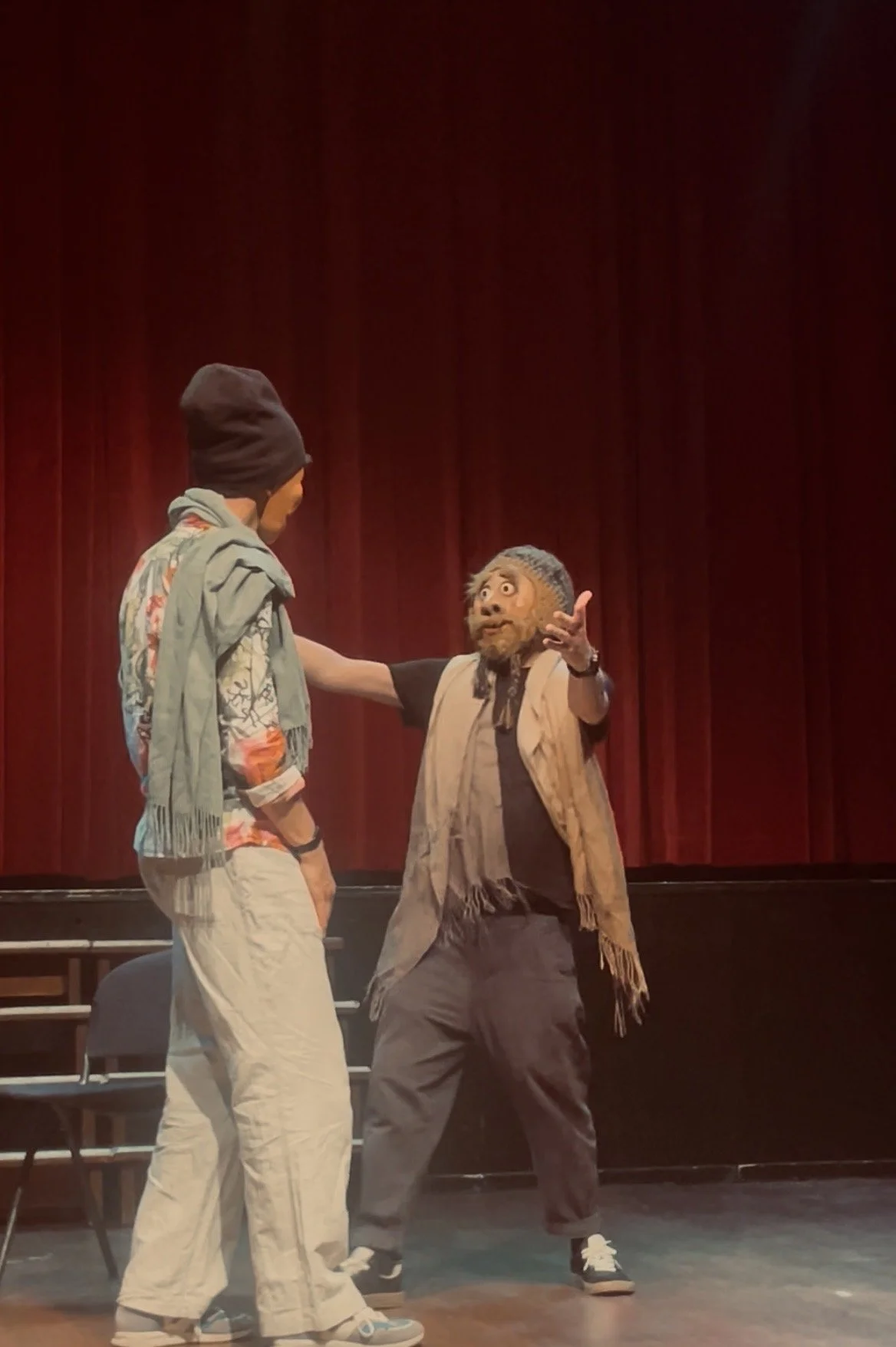
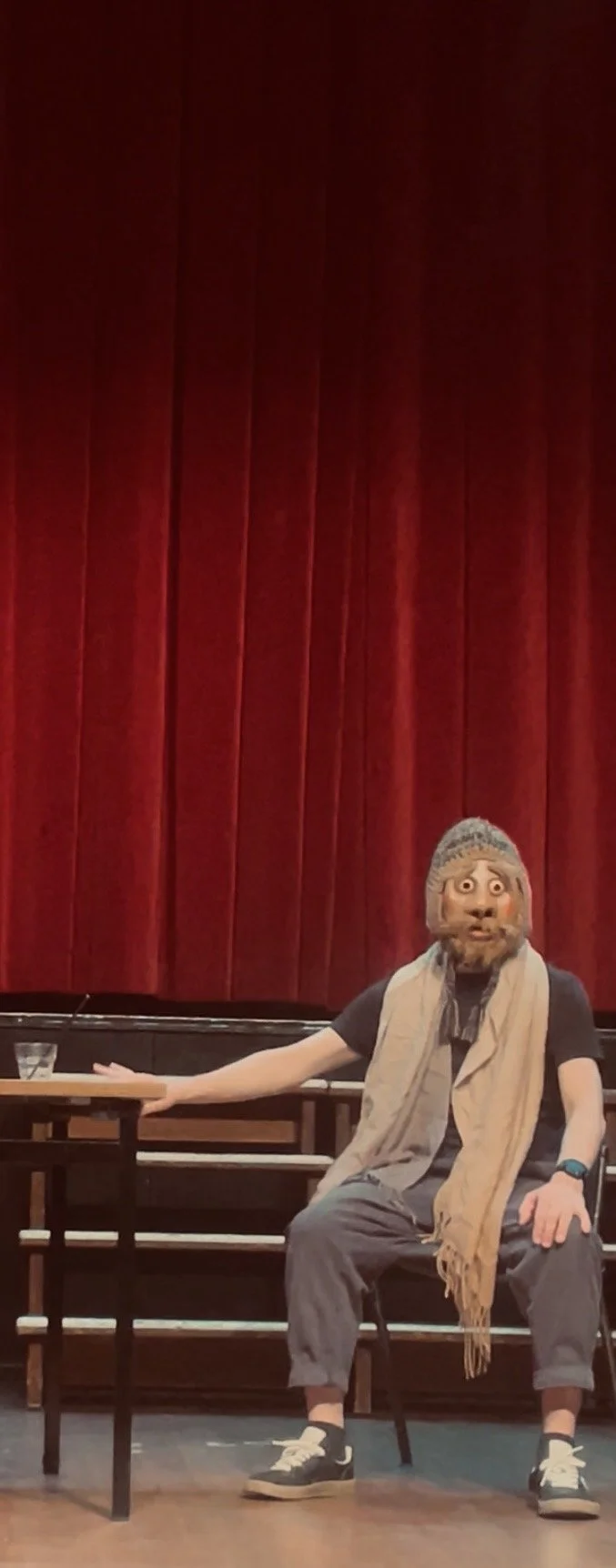
(Spoiler!) Martijn :)
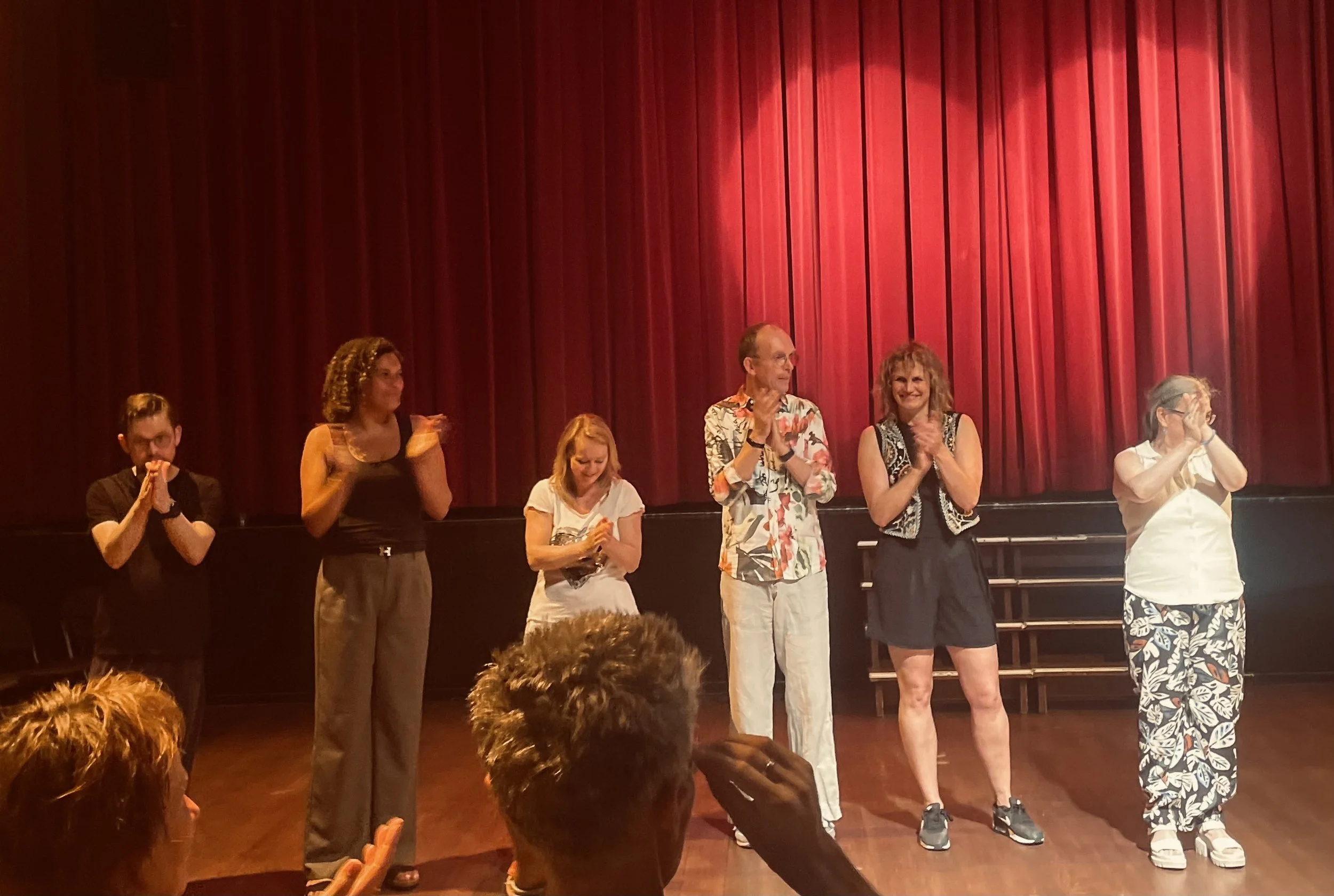
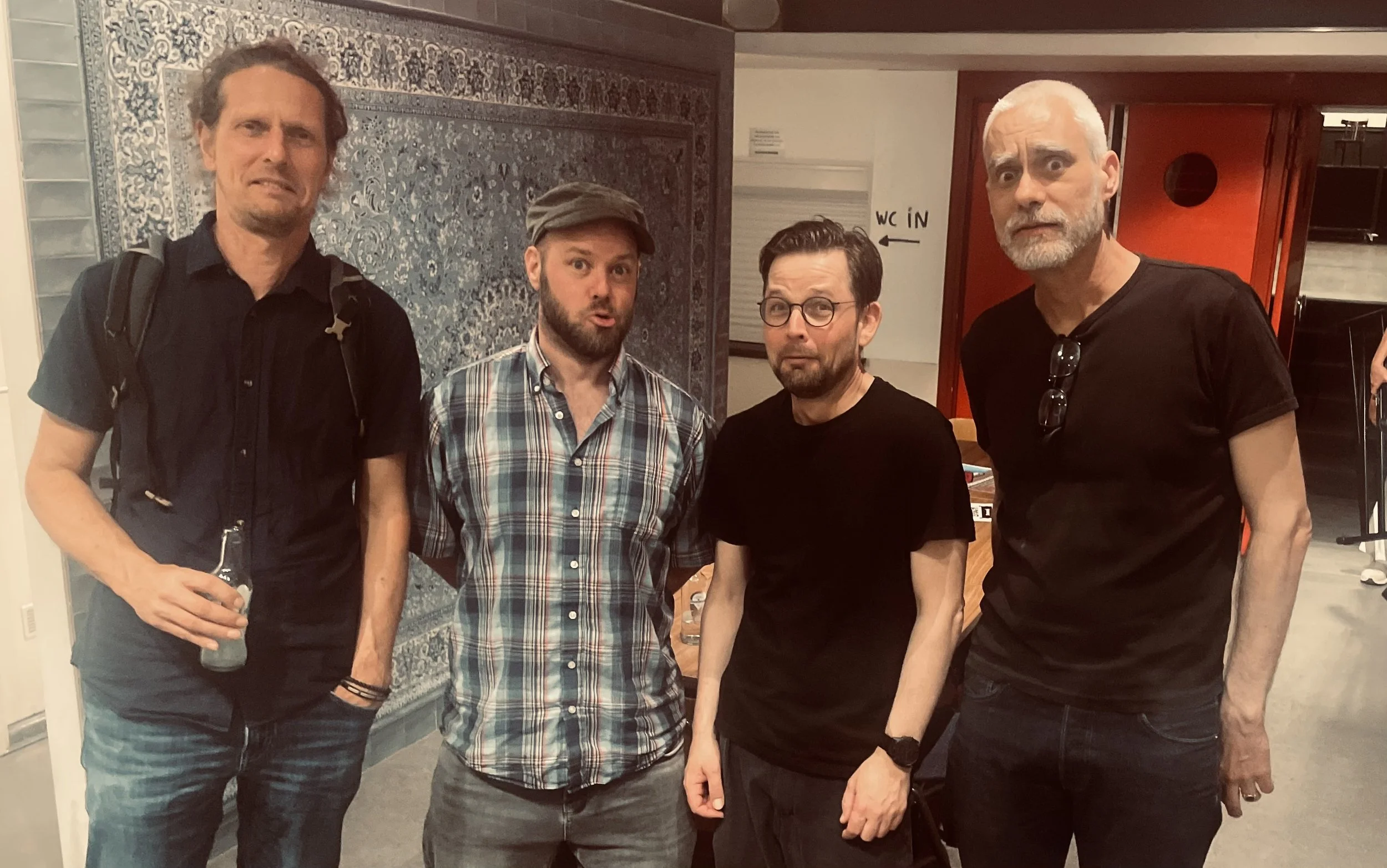
Thanks for a great evening guys! And the group, obviously. Think I managed to cramp enough different Martijn spoilers for our upcoming 4th issue in there…?
Poetic Unity - giving a voice to the voiceless
Poetic Unity - giving a voice to the voiceless - featured on Double Dutch magazine!
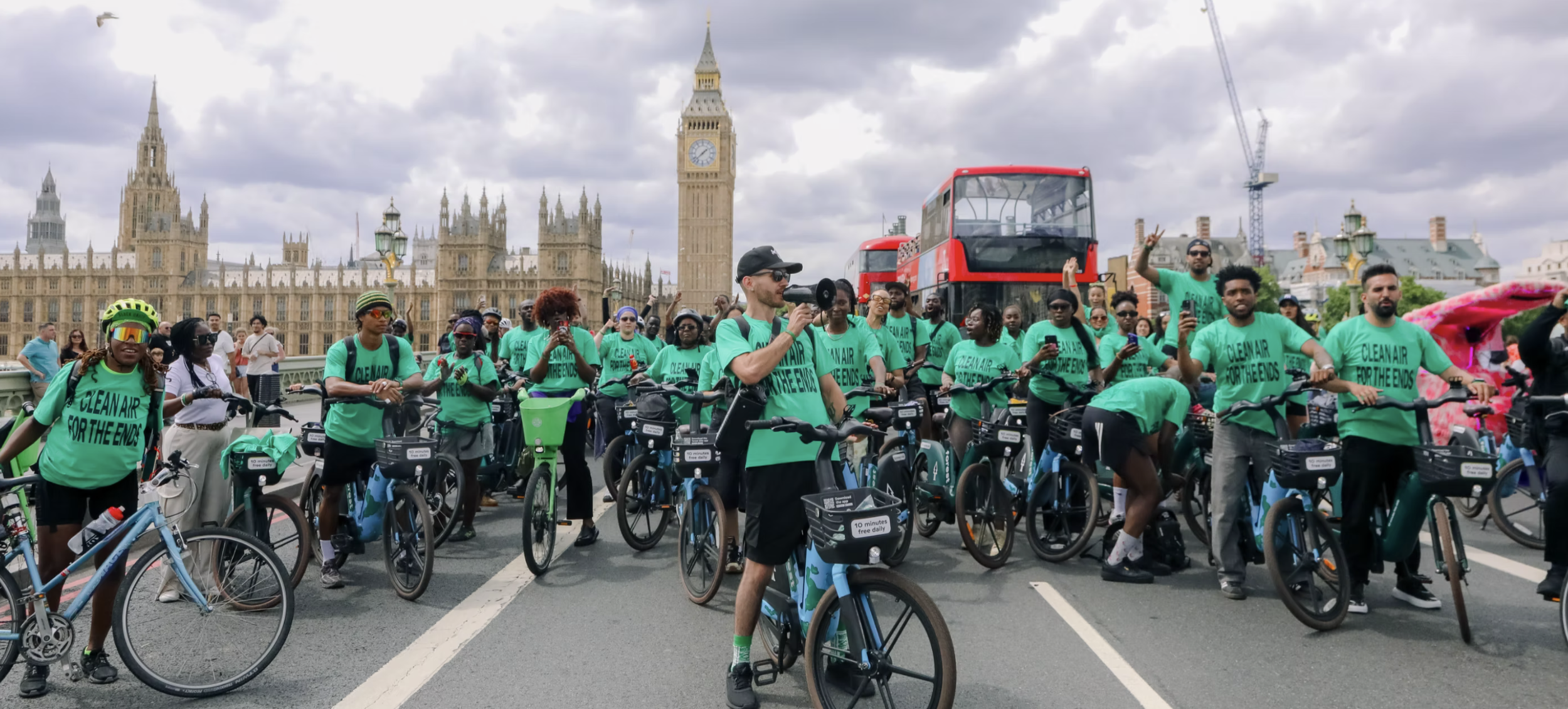
Click on the image to go to their website!
ABOUT
Poetic Unity is a Black-led charity founded in 2015 that provides spaces for learning, expression and joy through poetry. Based in Brixton, Poetic Unity offers a service by the community, for the community, predominately supporting young people of Black and mixed-Black heritage, aged 10-30. Their work centres the needs and experiences of the young people they support, recognising poetry as a therapeutic tool that unites and heals communities, celebrates identity and challenges injustice
From Brixton to the world. Poetic Unity works locally and internationally, amplifying suppressed voices and creating safe spaces of connectivity. Through targeted education, employment, social justice, and mental health support, they are transforming spaces of harm to be spaces of healing and development.
WHAT THEY DO
GIVE A VOICE TO THE VOICELESS
In society young people are often silenced and ridiculed for their views. Poetic Unity believes its critical that young people have a voice, so they create safe and friendly environments for young people to express themselves and feel valued in the community.
LIVED EXPERIENCE TO UNLOCK POTENTIAL
The team comes with lived experience of being marginalised and uses this understanding to inform the way they work. Their approach makes mainstream education more engaging, helps to improve behaviour and equips young people with skills that will serve them throughout their lives.
IMPROVE MENTAL WELLBEING
Poetic Unity provides programmes to educate young people on mental health and support them with holistic methods such as writing poetry, to help them face their issues in a safe environment.
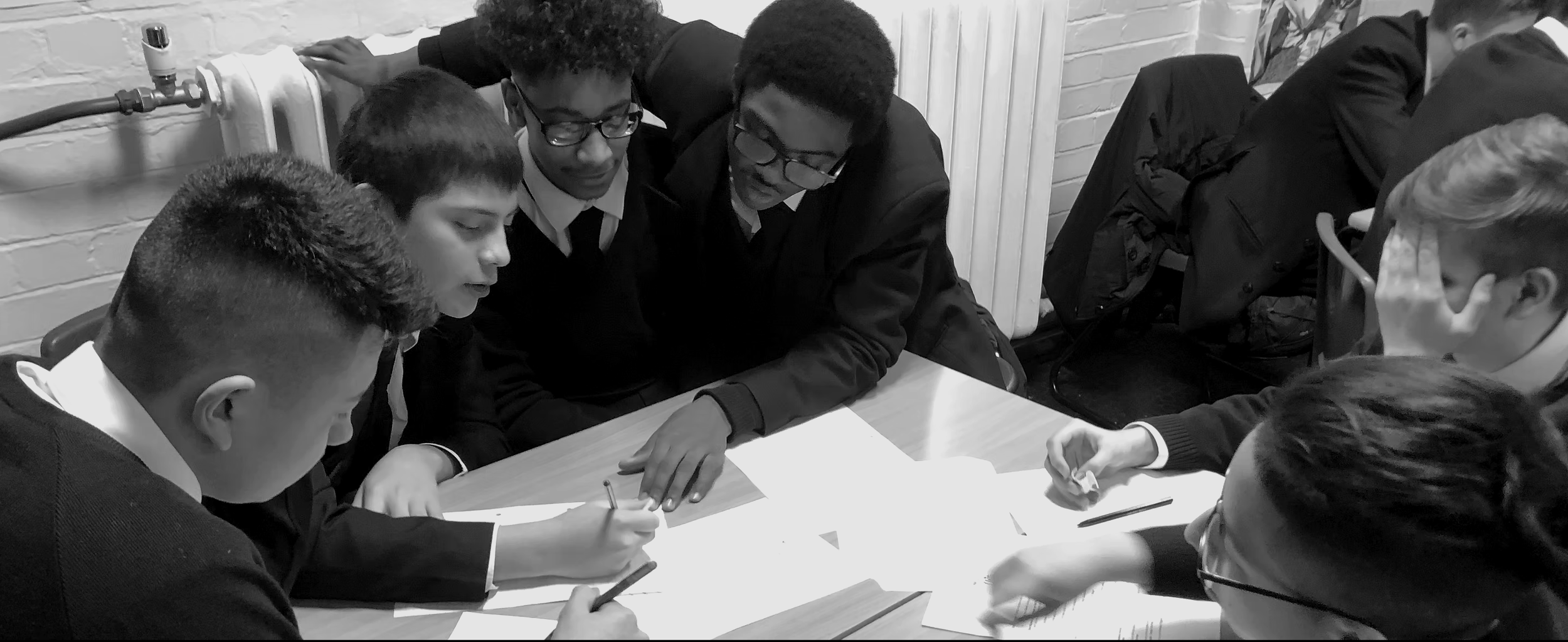
Click on the image to check out their different programs!
BOOK A POET
Are you looking for entertainment for your next conference, corporate event, film screening, charity event or work party? Book a poet handpicked by Poetic Unity who reflects the values Poetic Unity champions, delivering powerful performances tailored to the needs of your event that inspire and engage audiences. To find a poet that best suits your needs, click on this link. Please note you can watch poetry performance videos of each poet by clicking on the image of the poet you would like to book!
POETIC RISE
Poetic Unity and R.I.S.E received a New Conversations grant from the British Council, the High Commission of Canada in the UK, and Farnham Maltings. The grant supported us to collaborate on a project that saw 3 young poets from R.I.S.E travel to London, UK between May 27th – June 2nd 2019 and 3 young poets from Poetic Unity travel to Toronto, Canada between September 26th – October 4th 2019. The poets visited each others countries for one week and performed at each others events, delivered workshops to young people, and facilitated a knowledge exchange to learn from each other and create more impact in different communities.
It was an amazing exchange which showed just how similar the Brixton and Scarborough communities are even though they are worlds apart. This exchange connected with some incredible people and has helped create a lifelong connection with R.I.S.E which will continue to build on for years to come. Watch the videos below to see some of the highlights!
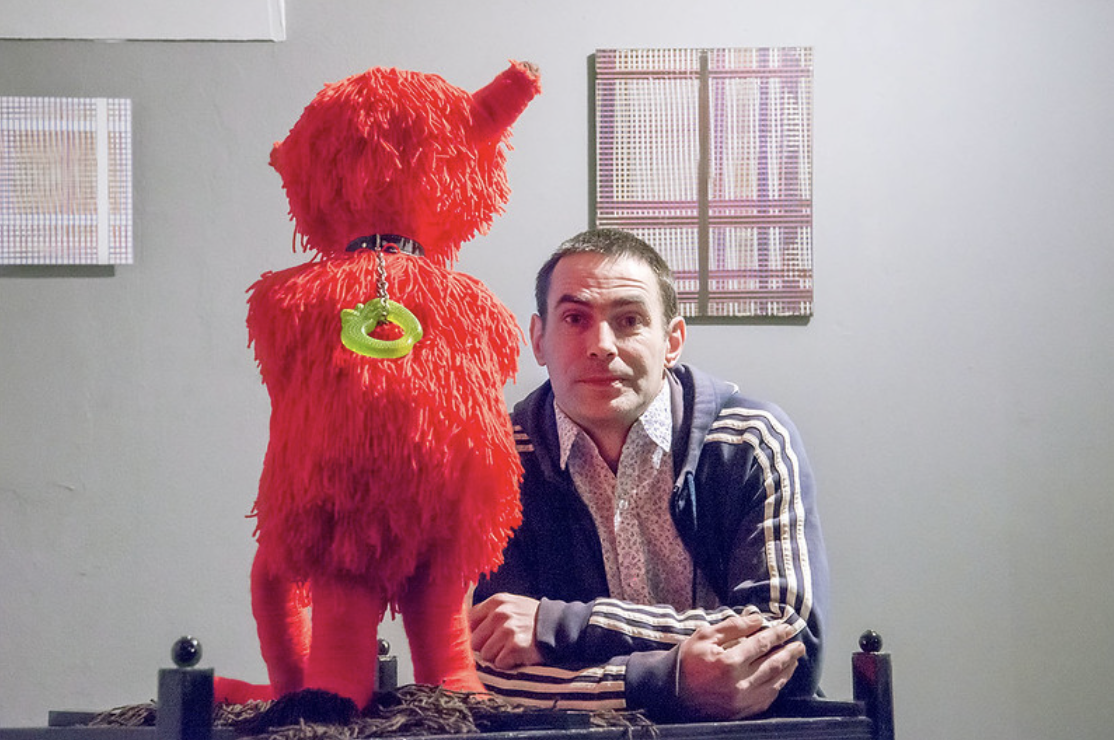
The Dutch artist Erwin Christiaan Adema
The Dutch Artist Erwin Christiaan Adema featured on Double Dutch: a literary, music and art magazine
My friend Frans called me last month, telling me that his brother from another mother, the artist Erwin Christiaan Adema, had died… Which, I guess, hit me harder than it’s supposed to? Close, personal friend of a friend and all? We, Erwin and I, had worked together on a bigger project this one time, but that was a young person’s life time ago… During my stoner… We never really… Very proud of said co-operation, don’t get me wrong, and I believe we had a creative good time, but still? … Yeah. Enniehoe, I’m sure I’ll be leaving out a lot of stuff I just never learned/heard about since we’d lost touch, but none the less (and after some rigorous googling) I’m going to try my darnest to do him and his art justice in this feature article:
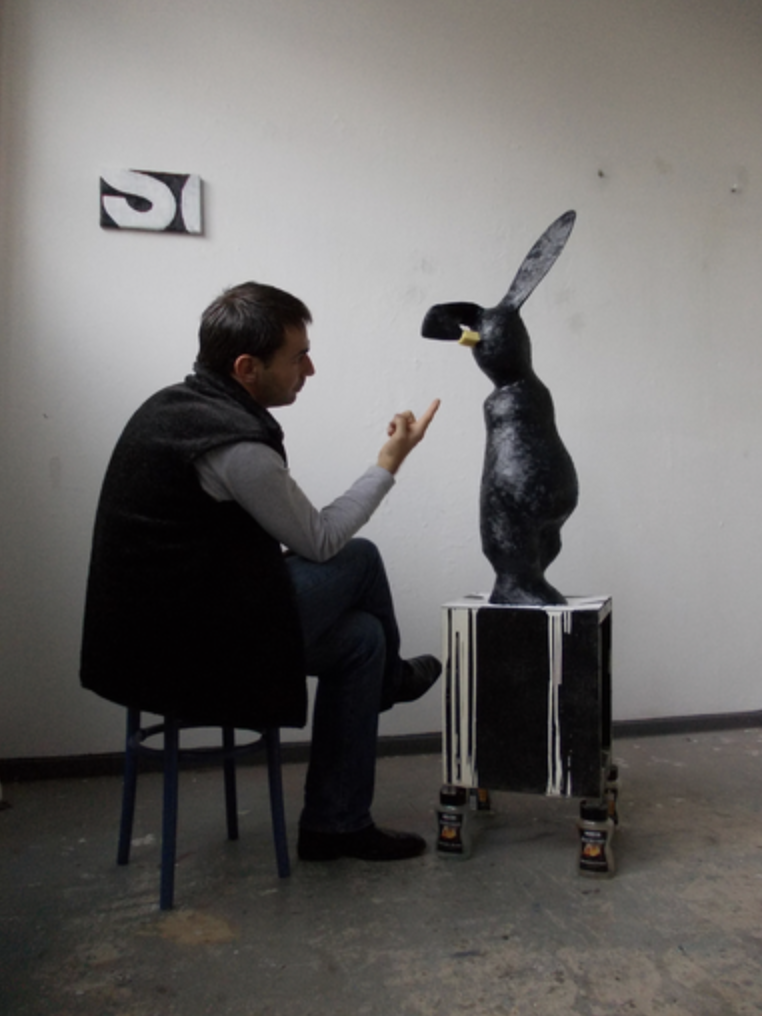
Erwin and his piece ‘So the Bunny’: 170×60×60 cm, 2014, sculpture/mixed media
Erwin had a bachelor of the Arts in Painting (B.A.) from the Minerva Academie (1996-2000), around the time Frans and he met, continued by a Master of Fine Arts in Painting (M.F.A.) at the Frank More Institute (2000-2002). In 2002 and 2003 he worked as an artist’s assistent at the Atelier Van Lieshout, while also taking several courses in classical philosophy. During his time as an artist he worked several bill paying jobs, like in logistics and art education projects to increase social cohesion for the city of Rotterdam. Up until the time of his way to early death he was a volunteer exhibitions and education at the TEMTEM art centre.
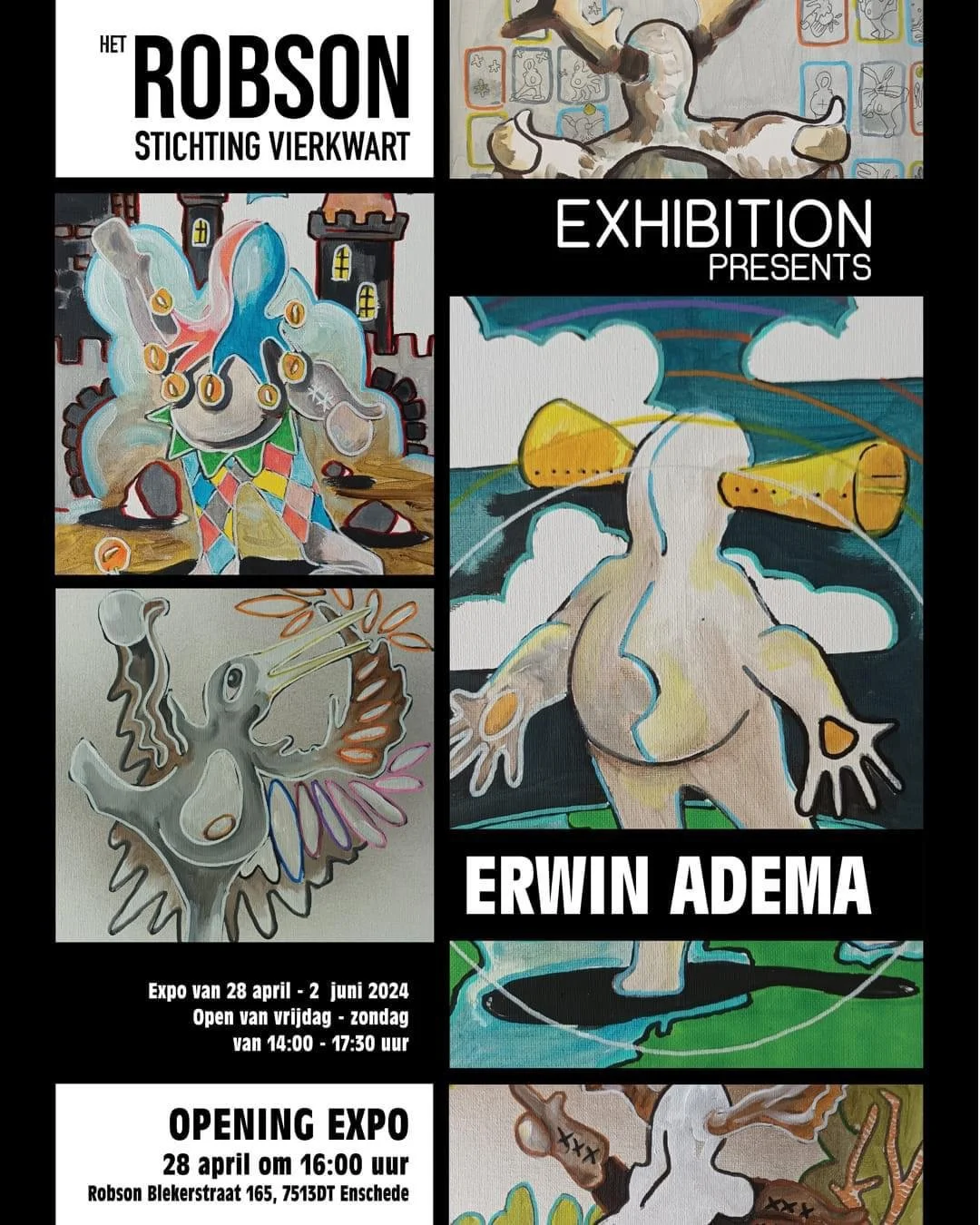
One of Erwin’s last exhibitions! + Here’s a link to an older one.
The artist himself about his way of working/method/philosophy as stated on his website:
“My art can be divided into 3 catagories:
Artist
Tinkerer
Hermit
These categories are a result of wanting to understand the diversity of feelings, desires and convictions better. Placing all of those different energies in one of those 3 helps me make sense of them better. This understanding then makes it possible for me to form ideas more easily and canalize/express these into language images/image works, resulting in a diary of looking at life. Being human, and my existence as one.
My search for this need to understand my place in the world, led to these catagories, I guess you could say. Each category works together with the other two and together they form a overview/oeuvre through which I try to understand the world and answer the questions that arise during and outside of my creatieve process.”
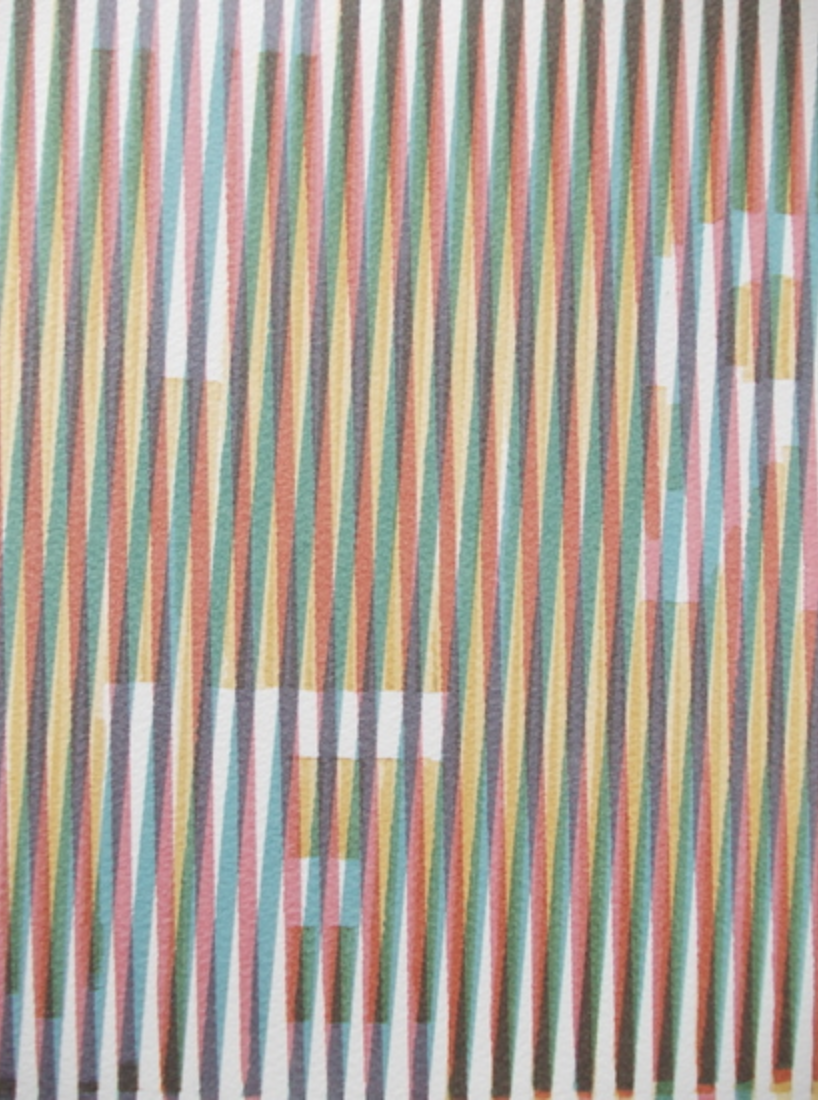
‘Line Treu’, 30 × 40 cm, 2013, Two dimensional, marker/crayon/pencil. More drawings here.
The Artist
“The themes that arise from these initial ideas are being captured in concept sketches and drawings, which will evolve into objects, sculptures, collages, paintings etc. The artist gives an answer, makes his statement. He conveys, confronts, enjoys, gives and confuses. He parleys with the tinkerer and gets inspired by the hermit.”
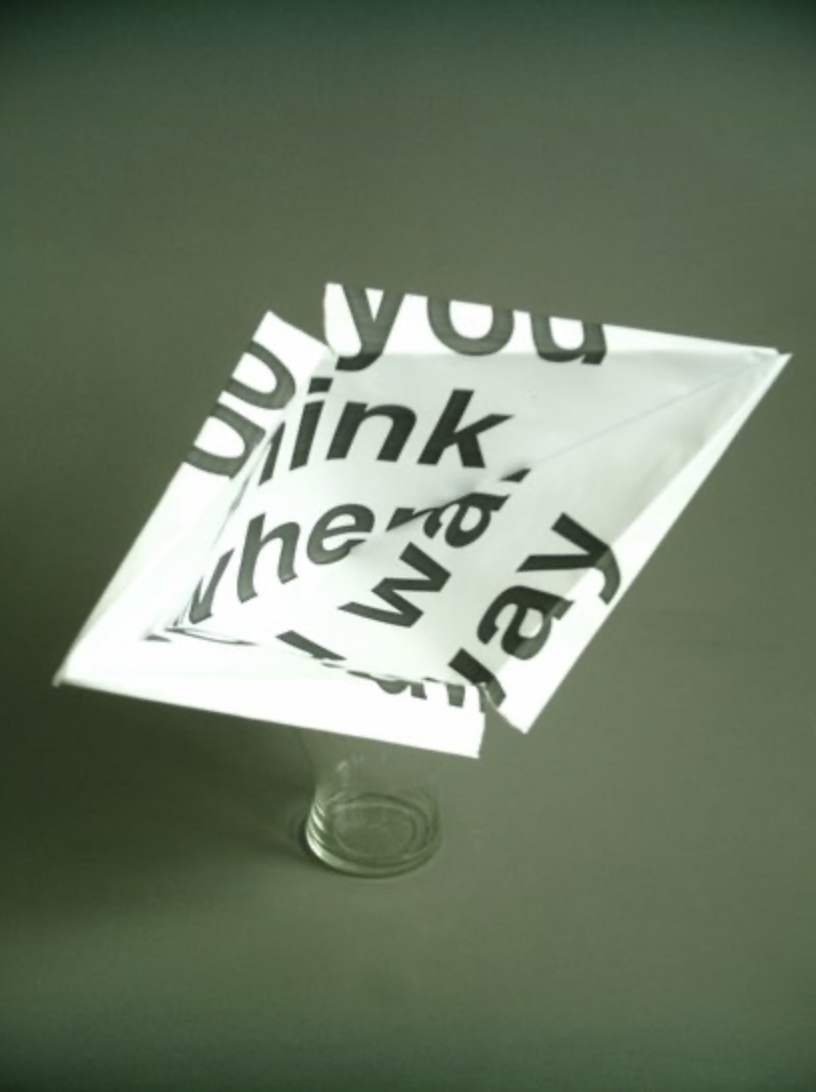
‘What do you think when you walk away’, 2002, Sculpture, Paper. More text based work here.
The Tinkerer
“The tinkerer is the child in me that finds stuff out by searching. He creates instinctively, tries and repeats combinations, adds or detracts. He states his findings and orders his chaos. Tries to understand and allows creation. He’s dynamic and always just out of reach, sees possibilities and is always in motion. A gatherer of impressions and experiences, he reassesses, contemplates and shapes. Speaks to the hermit and parleys with the artist.”

‘Without explanation’, 65 × 110 × 10000 cm, 2004, Sculpture, Wood. More of his instillations here.
The Hermit
“The Hermit is lonely, melancholic and lost in thought. Worries. Lost in the twilight of momentum. Looking for universal laws. Doubts out of powerlessness and is insecure. He brings the difficulties within the created chaos to light. He has no hold, there is just the duality of conscious.
He asks: who am I?
Why, how, what?
He does all of this together with the Artist and Tinkerer.”
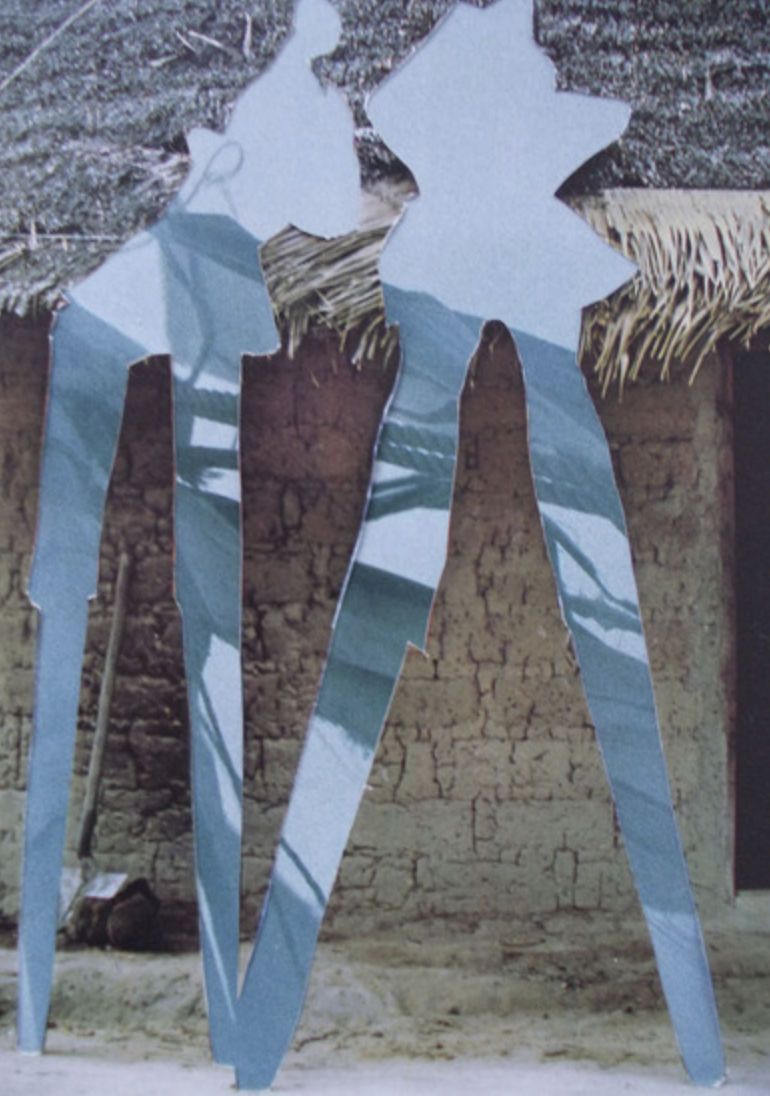
‘Which What Human’, 20 × 30 cm, Two dimensional, Collage. More of his collages here.
Personal favorite
Looking at his body of work my personal favorites have to be his ‘Eurekia’ series? Somehow, somewhere, this not quite bunny kinda shape/figure/character entered his work, and it simply refused to leave again? Again, in his own words:
“Eurekia is a reference to the artist’s or inner child’s creative world of ideas, questioning the world in all het many facets.
These characters are a cause to think about life, one’s position in it, the individual, the world and the child like questions of the why, how and what.
The paintings/drawings/sculptures tell their individual stories, but also communicate a shared visual story, creating a unique dynamic. A tale, a life story, a playing field for thought.”
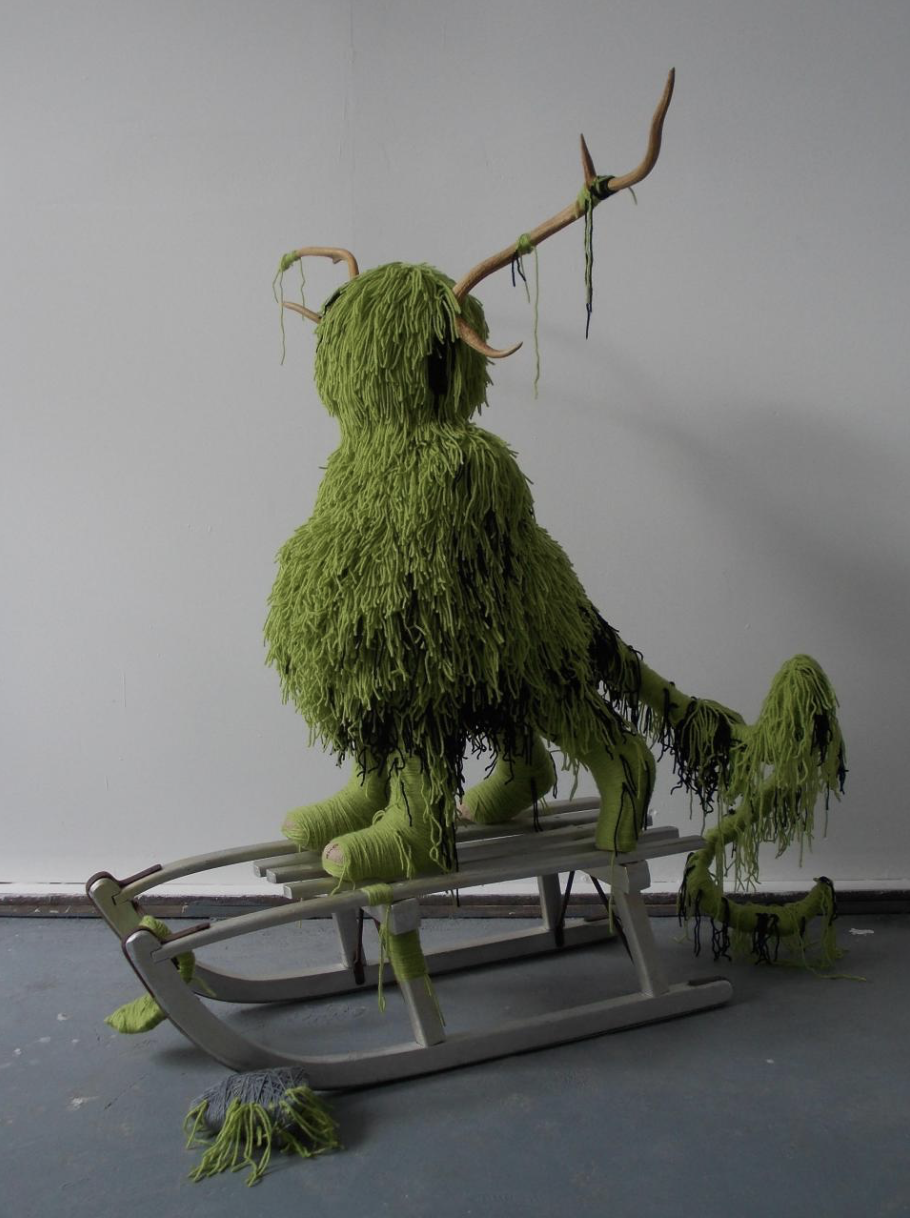
‘Eurekia four seasons’, no further info available. More ‘Eurekia’ right here!
Conclusion
Like Frans, Erwin was an artist pur sang. I’ve always been a bit jealous about this seemingly… inevitable path this leads to in one’s life. Being able to sometimes be more… pragmatic in the choices we make to stay afloat does distract from the creative process that’s such a prominent guiding force in people like both of them. And in and of itself brings its own sets of head aches and issues, no doubt? I never did learn on what day Erwin died, exactly, or how, and to be honest I don’t really want to call Frans about those specifics? No need. He lived for his work, so here’s to that beautiful body! Very happy to be able, in this little way, to help preserve it.

‘Michael’- Tiny rant about a movie I flat out refuse to go and see
‘Michael’ - Rant about a movie I refuse to go and see featured on Double Dutch: a literary, music and art magazine
Children are self centered creatures by unfinished design. Children can be so, so cruel. Ask any bullied kid? Ask me. Children lie all the fucking time. Stone cold too, no matter the amount of evidence piled up against them? Many a parent with empty cookie jars can attest to this. And don’t even get me started on all the ‘playing dokter’ I know I did as a kid. I’m sure I was the only one. Ever. So when I hear Michael Jackson fans play the ‘innocent like a child - just a big kid’ card when wanting to explain his very intimate… friendships with pre-teen boys, I can’t help but get bit… twitchy.
You were an adult, Michael. A broken one, sure. The greatest entertainer probably ever, yes. Genius, most certainly. But, being broken is a reason, not an excuse? In case you might have wanted to make excuses during your life time. Which you never did, because in your obsessive ‘friendships’ with these children you were completely self centered. And heartbreakingly cruel. Although we might never know beyond doubt wether or not you ever got physical with them, the way you chose your favorite, drowned that unfortunate kid with obscene amounts of attention, gifts and the madness of your fame, only to take all of that away again just like that when they seem to reach a certain age is all the fucking emotional abuse I needed to learn about. Period. And I certainly don’t need to go and see your fucking ‘Greatest Hits’ flick if I want to learn much more about your personal life? Or your creative process? … No! Fuck that! … Am I TRULY the only one that feels The Family/production company releasing the statement that they couldn’t include scenes about the allegations BECAUSE of clauses in lawsuits filed by the very now man that made those allegations is one last giant fuck you to those guys??? Guess I am! Seeing that the movie is a monstrous success. Again, if I wanted to listen to your greatest hits I’d pull out the cd’s I have, after having playing the albums until they broke, after listening to the tapes until those broke, or the ‘Moonwalker’ movie and all the videoclips I must have seen a million times? Me, I don’t even have to be one or the other when it comes to you, Michael. I know full well the millions of devotees you still have will keep the family business soaring for at least a decade or 3. And it appears it’s either completely pure or ‘He the devil!’ when it comes to opinions about you. There is no middle ground. I grew up utterly dumb struck by your genius. Must have been, what, 10, 11? What I would have done to meet you…! Spend time with you. Imagine that coming true… I know your music and brilliant concerts by heart. A heart you broke, completely, so fuck you very much you broken, sad… human being. Cheers.
…Yeah.
The Children’s Poetry Archive - Listen to the world’s best children’s poetry read out loud
The Children’s Poetry Archive featured on Double Dutch: a literary, music and art magazine!
Click on the image to go to the website of this amazing initiative!
Inspiring Young Learners
“Poetry doesn't just live in books - it lives in the sounds that words make. When we read poems out loud we breathe life into them and we can picture them in our imagination. The Children’s Poetry Archive is a place where you can listen to poems read out loud. We have poems read by the poets who wrote them as well as poems which other people have recorded for us. We think everyone has a favourite poem, it’s just that they haven’t heard it out loud yet. We hope you find your favourite here.
Poetry was spoken out loud a long time before people started to write it down but we didn’t have any way to make recordings of it. This is why we can’t listen to Shakespeare or Wordsworth now, however much we might like to. The Children’s Poetry Archive has promised to record as many poets and poems as we can and to put those recordings here so you can explore them.”
“Our archives have lots of poetry for you to explore and discover. You can get started by looking for your favourite poem using the search bar below, or by having a look through our list of poets, collections and interviews.” Click on the image to start exploring!
Teach the world's best poetry
“Poetry is best enjoyed and taught by hearing it out loud and now that so many children are learning from home, we’ve brought together some resources to help you inspire your class about the importance of poetry and the fun to be had in exploring it.
We gathered resources here to help you teach poetry. There are activities for all key stages, built around Poetry Archive recordings and offering lively, engaging ways of working with poetry.
We've also included links to some of our favourite organisations who also provide support for teaching poetry so you should find resources to answer all your questions.”

Click on the image to go to the teaching page!
Support the Archive!
“Poetry read in the unique voice of the author is unlike anything else. Please share your love of poetry and help us continue to grow our collections and keeping them safe for the future. From a £1 donation to an annual membership, you can help us record more poets and put poetry into more schools for everyone to learn from and enjoy. We don't get public funding support, and we can only continue with your help. By becoming a member or making a donation, you are keeping the Archive's poetry available and shared online. Every £1 is valuable to us, so however you can help us, thank you. Your support will speak volumes!”
Click on the image to dig a little and support! Cheers :)
Going Dutchtube!, nr. 3 (Nivelan reads 5 Dutch poems + their translations)
Going Dutchtube! nr. 3 Nivelan reading several poems in Dutch & English linked to Double Dutch magazine!
I’ve been scouring the internet for Dutch poetry, translated into English, to maybe showcase here for months and months now, and have been loving every second of it. That includes YouTube, obviously, and boys oh boys, there are some beauties out there! Plus, not unimportant, linking and then highlighting such a video here on Double Dutch magazine is A LOT easier copyright wise? So much so that we at Double Dutch magazine decided on a separate segment: Going Dutchtube!, for which we’ll pick one of those videos at a time and give ‘em some much deserved extra fondling. Doing this also enables us to include poets and translators we admire but who are notoriously hard to get in touch with, for example, or, again, whose poetry is a real pain in the butt to get the rights to. Win-win, eh? We sure think so. This time we’ll be linking to an older reading by the Dutch poet Nivelan (? link to his website has been dead for years) who’s translation of works by J.C. Bloem, Ingmar Heytze, Jean Pierre Rawie and himself more than deserves a second life right here:
Nivelan reads 'November' (1931) by JC Bloem, his own 'Koud Rijm' (2002), 'Solliciteren' (1993) by Ingmar Heytze, then his own 'Koude Thee' (1994) and 'Ritueel' (1989) by Jean Pierre Rawie. Full text (of the translations only) in the text under the video on Youtube!
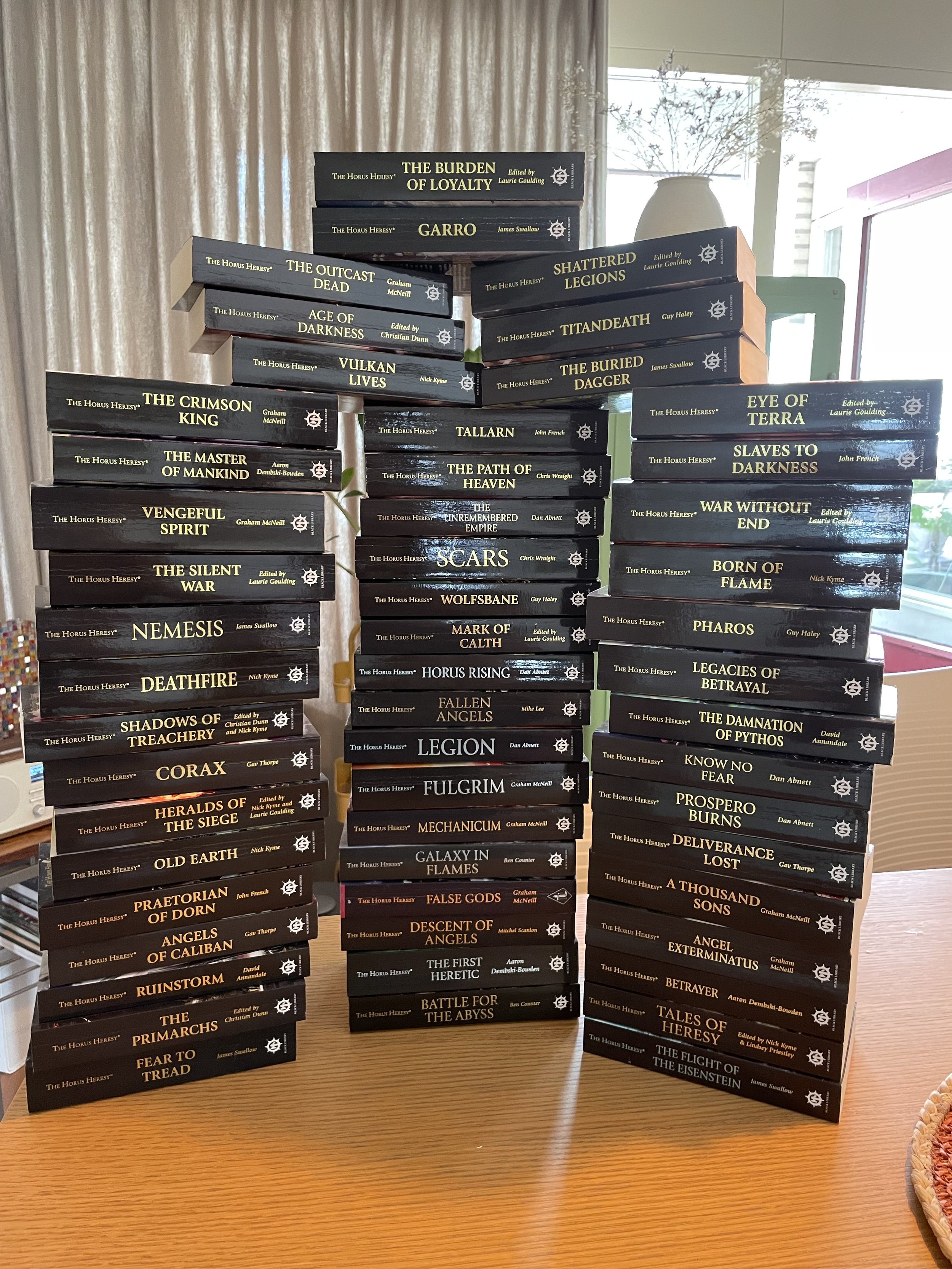
Was publishing 54 books to tell the ‘Horus Heresy’ saga needed? - on Double Dutch magazine!
Was publishing 54 books to tell the ‘Horus’ Heresy’ saga needed? - on Double Dutch magazine!
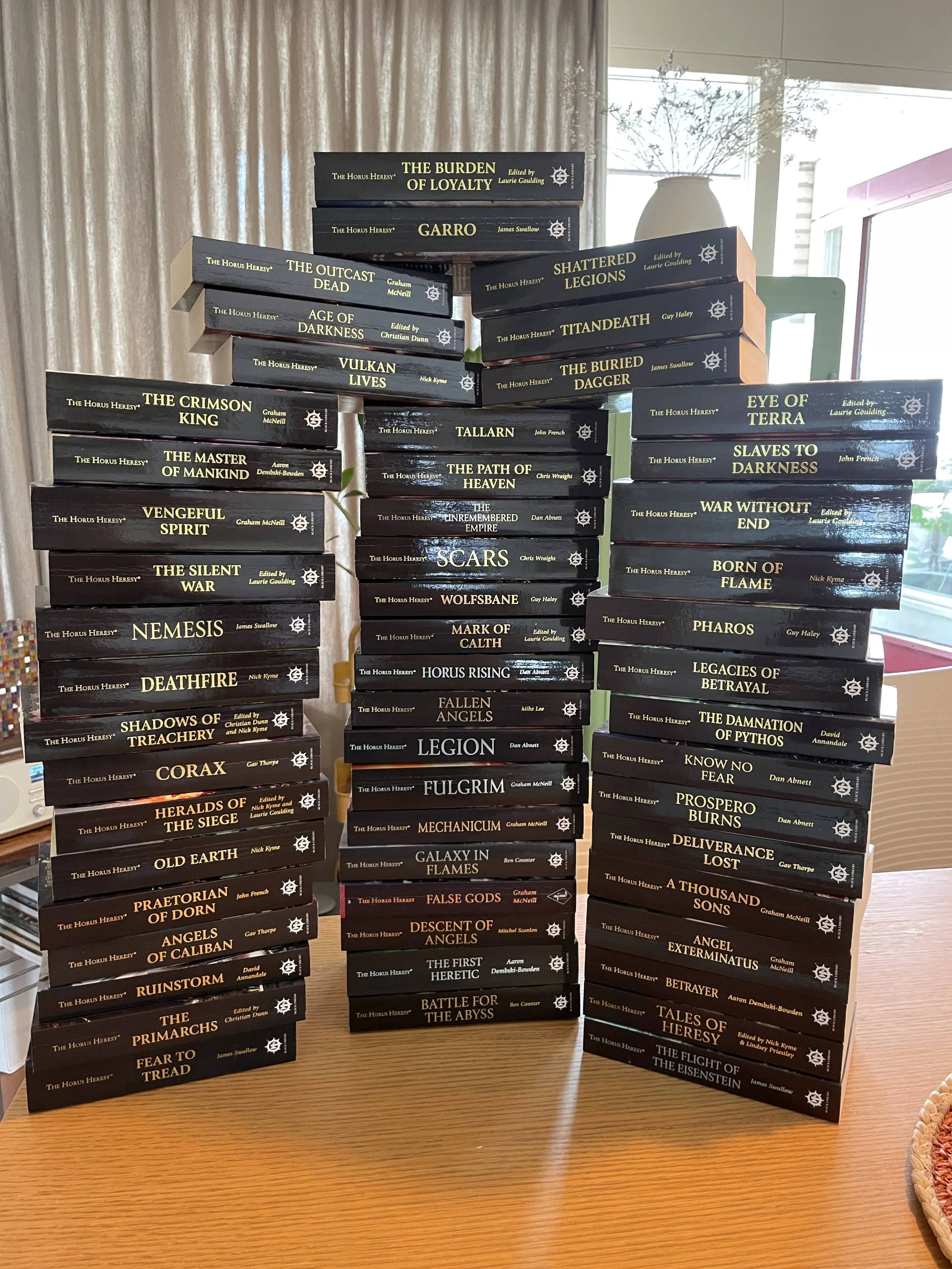
For those of you who follow me and Double Dutch magazine a bit closer it’s no secret that I’m a huge fantasy/sci-fi fan. The Games Workshop black library range in particular tickles more than a few of my fancies? What must have started out as a risky experimental side hustle to sell more miniatures (a.k.a. expand the lore) has grown into a full on and seriously profitable business model. With, unsurprisingly, a lot of meh novels, but truth also be told, quite a couple of seriously engrossing ones! If you’re into dark sci-fi bolter porn that is, obviously. So, answering the question posted in the title of this feature from that perspective therefore is easy: yes. Me being one of those nerds who got fully caught up in it :)
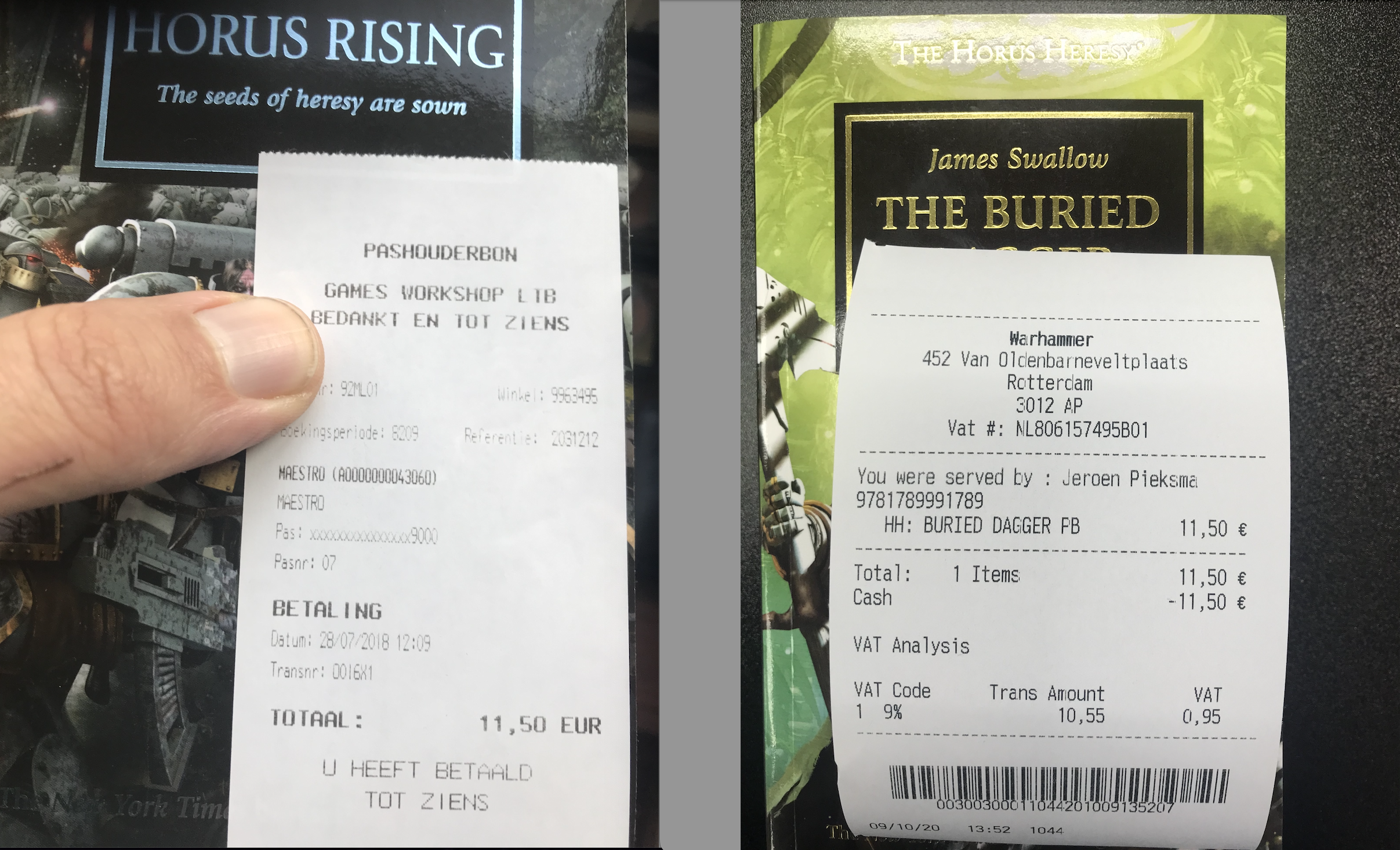
As you can see in the image above it took me a little over… 2 years to read the entire series? I won't even begin to try and surmise. Fuck that. This is one of those occasions where being an online only magazine shows its advantages:
I sure love Arbitor Ian’s videos. They’re as short as possible without loosing heart and focus on what matters most for both of us: the personal stories that did very much help to shape the outcome of this galaxy spanning drama. Those smaller ‘episodes’ I’ll call ‘em were my favorite reads from the series by far. … Yeah. Couldn’t bring yourself to sit through the first 5 minutes of those 40, could you, eh? Lol. Here’s the gist:
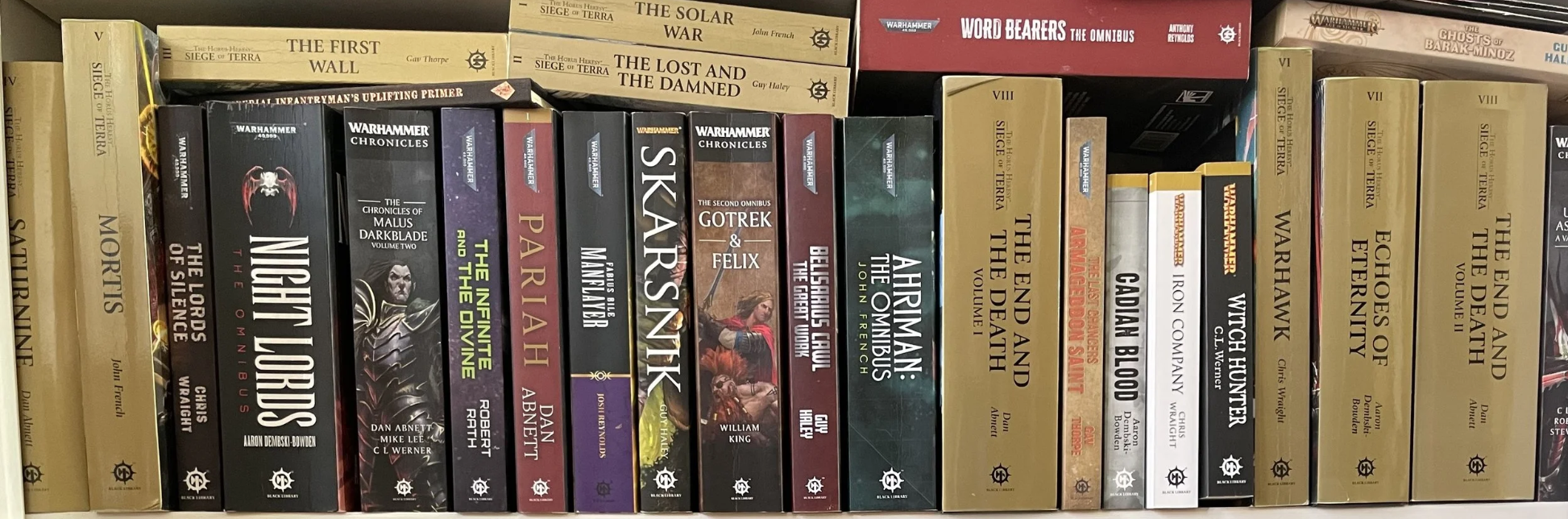
You’re welcome. And, looking at it this way the answer’s probably no? Depends, doesn’t it? Spending 600 euro’s and 2 years is only a lot if fully lost is where one doesn’t want/need to be from time to time. Being fortunate enough to have the money and love to read. I am more prone than others to years of extensive side tracking perhaps, sure, but once a junkie, always a junkie, eh? At least I held on to my old fashioned Gen-X attention span, thank The Emperor. Which also helped when they released the ‘Siege of Terra’ follow-up series in the years since. And take a wild guess who just HAD to read those too..
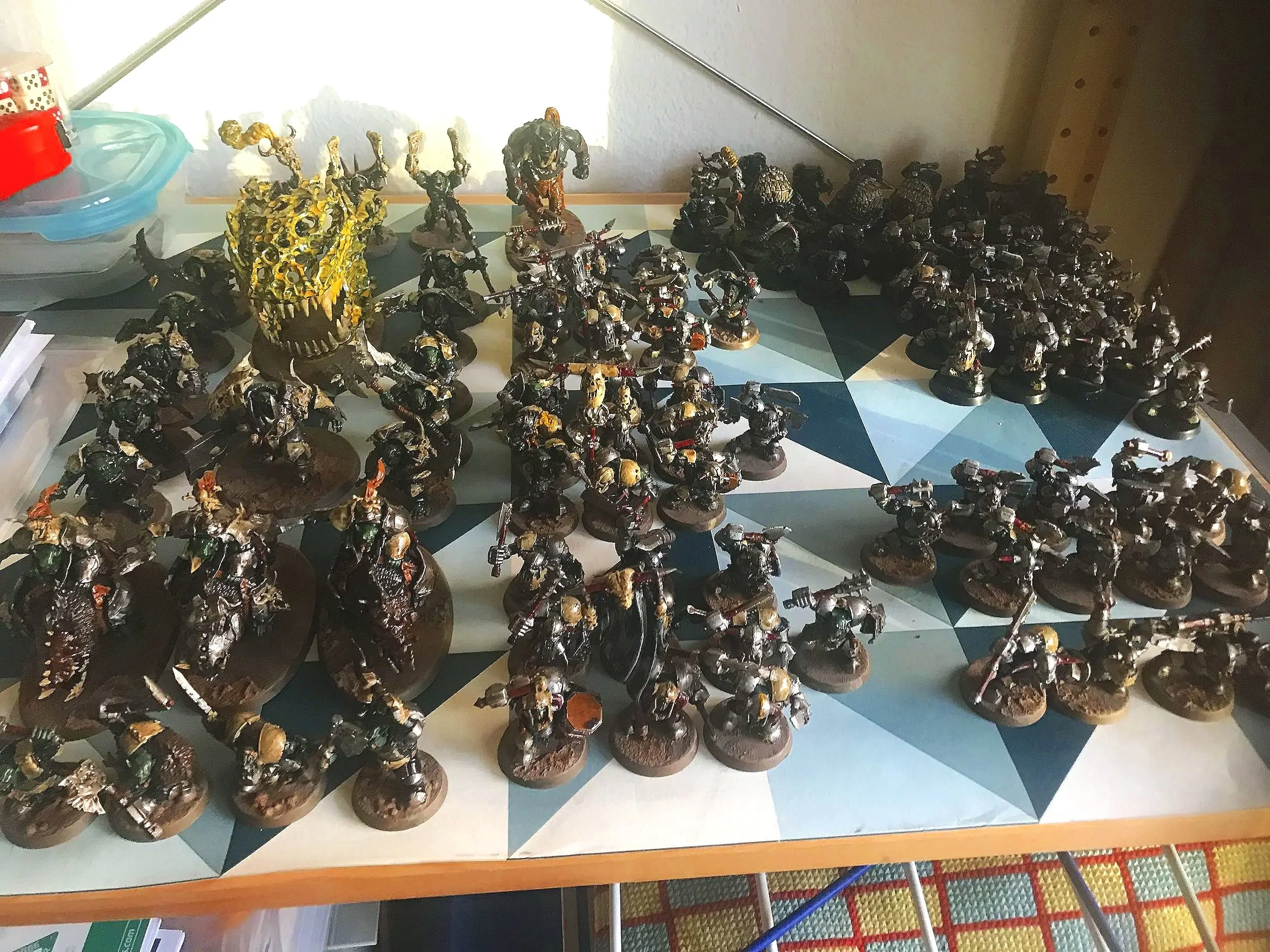
My AOS Orc Army at one fully painted point :)
Is it the best thing I’ve ever read? No. But it doesn’t need to be. It’s escapism on the highest level. The best thing I’ve ever read must be
“For sale: baby shoes, never worn.”
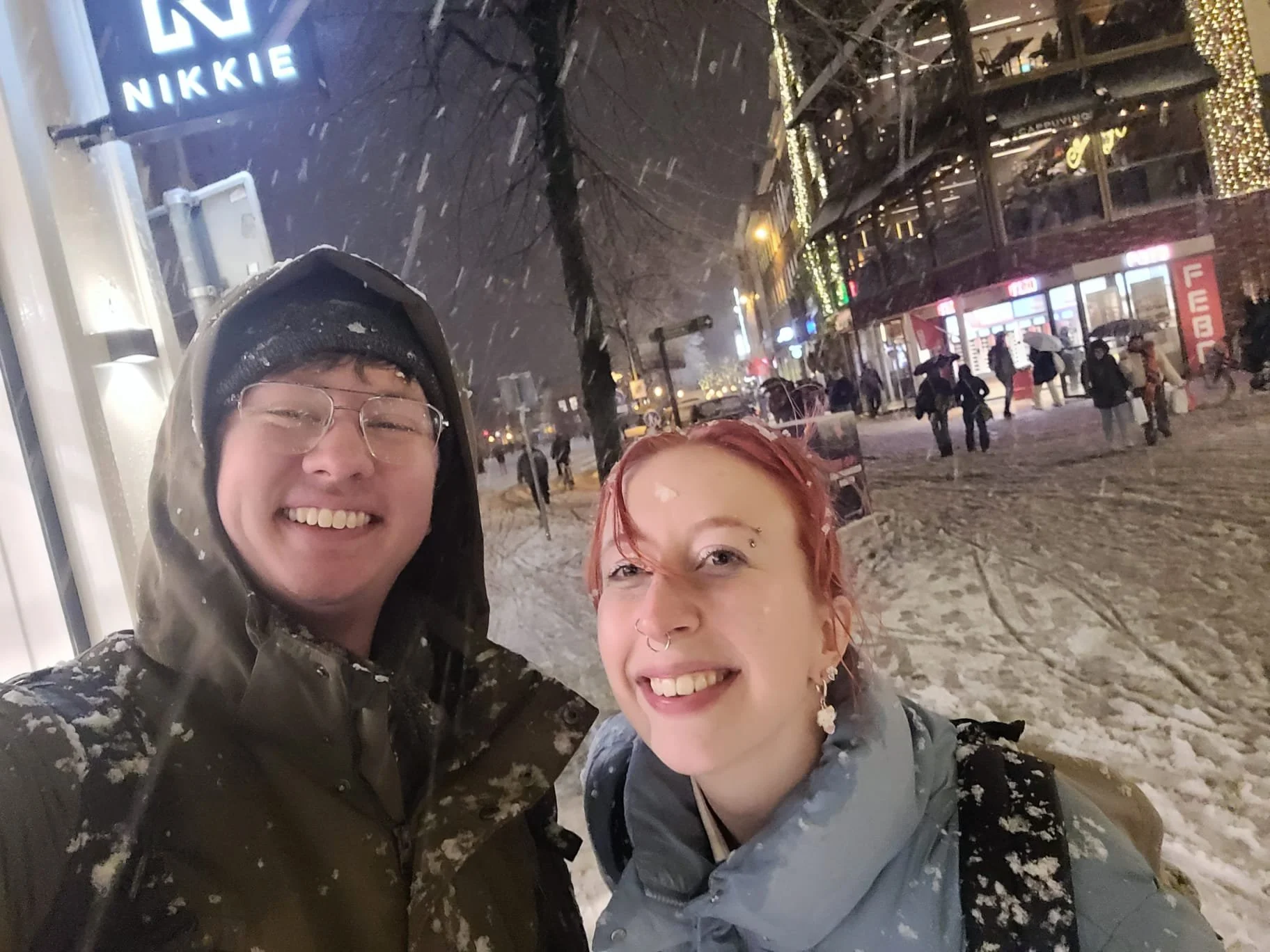
Guest feature! Lucy Olsman interviews poet, writer, spoken-word artist, beatboxer and best friend Jonathan Sijl
Lucy Olsman interviews Jonathan Sijl about his poetry on Double dutch magazine!
Jonathan Sijl, born in Zwolle, the Netherlands, is a twenty-five year old poet, writer, spoken-word artist, beatboxer, and my best friend. We met in university six years ago, when we both began our bachelor studies in English Language and Culture in Groningen. It was the height of Covid, and most of our classes were online. But amidst the turmoil of curfews and forced isolation, we decided to begin a running group with a few others. This quickly became a wine-drinking group. Throughout the years, we’ve made many friends, and lost a good few too. But Jonathan and I always stuck together. And it is my pleasure to introduce him to you.
Hi Jonathan! Please describe yourself as a poet in three words, and explain them.
I had to think about this one! Initially, my answer was authentic, open, and honest, but I’m not sure if that covers it. “Up to interpretation” might be a better fit. I am a firm believer of the concept of ignoring the author when reading a text. I apply the same idea of “up to interpretation” to my own work. Whoever hears me read a poem aloud, whoever consumes my work, its meaning is up to their own interpretation.
Why would you say you’re a firm believer in ignoring the author?
During our masters we were taught both ways: to take into account the author of the work, and to forget about them. In my case, I enjoy hearing someone’s own interpretations. I can really appreciate it when someone connects to my work without knowing anything about my life.
Can you describe what went on in your mind when inspiration for this poem (The Sandwich and the Sidewalk) struck you? How did you come up with the idea of connecting the Christian God with a homeless person?
I occasionally chat with homeless people in the city (Groningen). There’s a few I recognize as well. This particular one I’ve talked to a lot over the past couple of years. It’s interesting how people tend to look over homeless people as part of a city. You have your benches, you have your parks, and your homeless people as part of the cityscape. But at one point, these people were also children that probably went to school, had a family, and they had a whole history that led them to this moment. Whereas my history led to this moment as well, where I buy this person a sandwich.
In a way, God, for believers of the Christian faith, also becomes an inherent part of their landscape, something invisible that is always there. In this sense, a link can be made between God and homeless people. It also reminded me of a plot point of the movie Rise of the Guardians, where you have all these mythological characters like Jack Frost, Santa Clause, the tooth fairy, the Easter bunny, etc. only exist as visible and tangible beings, as long as people believe in them. Their power comes from faith itself. If they were forgotten, they would become invisible. In retrospect, I think it's a similar idea between me and God. It's been a few years since I've last called myself a Christian, and my perspective on God changed a lot over the years. In the case of this poem, I enjoyed mixing up various perspectives, and ways that I've felt over the years.
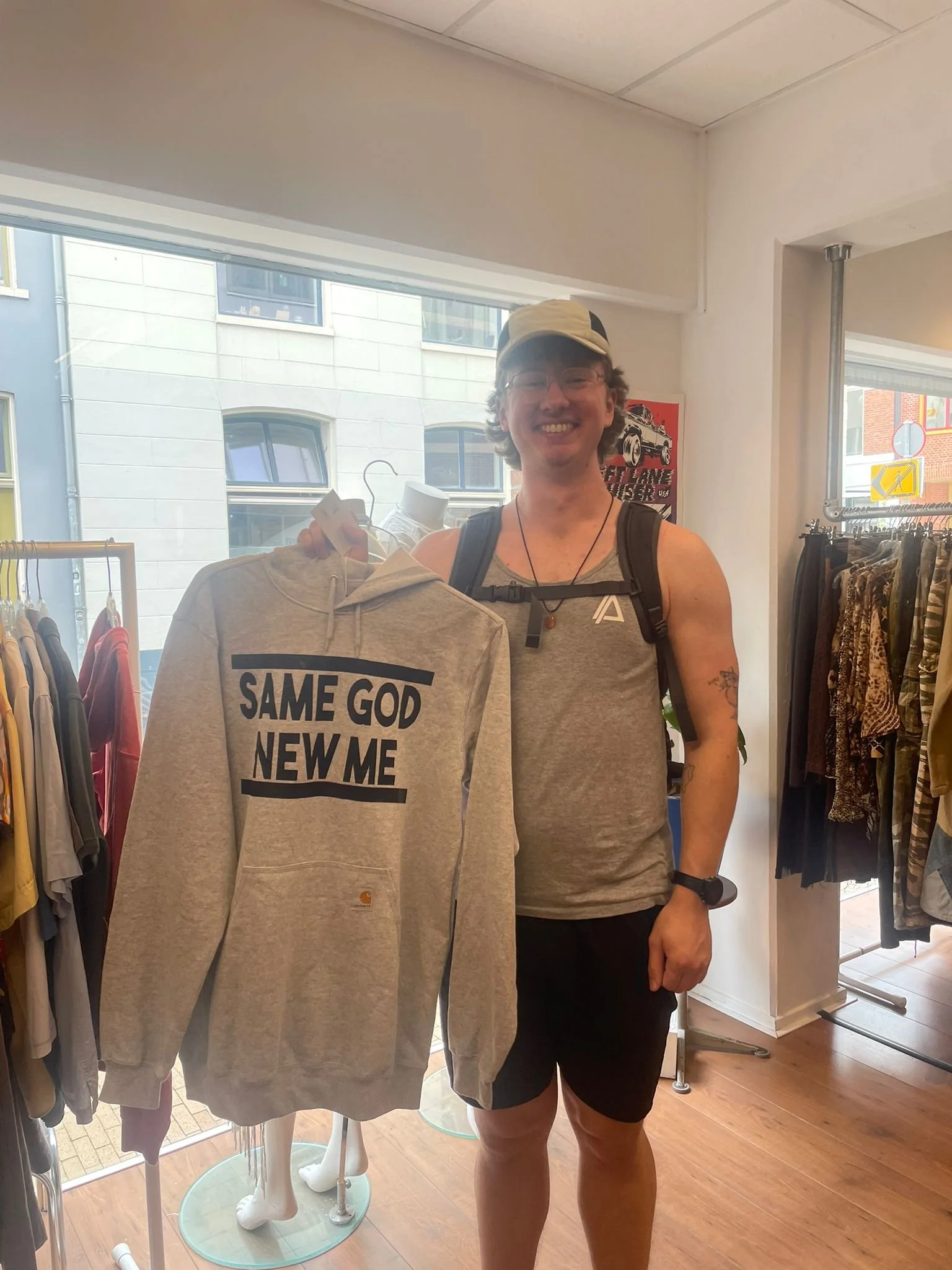
What type of Christian were you?
An ashamed one. No, just kidding. I was a mix of evangelical/pentecostal. This is a type of modern Christian that believes in a very personal connection with God, and tries to see God as an all-loving being. They also believe in spiritual gifts from the holy spirit, like the power of healing through prayer, the power of prophecy, or speaking in tongues (the language of Angels, as I understood it).
Speaking in tongues?
This is the idea that you begin to speak in a certain way after the holy spirit has ‘touched’ you. It was one of the reasons I stayed on board with my faith for so long, as I volunteered in my church. After the services, people would get prayed for. The pastor would lay their hands on a person and pray, which could be quite intense. At times, these prayers would even result in the recipient of prayer 'collapsing in the holy spirit' which meant they would physically collapse after the Holy Spirit touched them. It would be my job to catch the person and lower them gently to the ground, as they seemed to truly be affected by an intensely spiritual experience.
What was the moment where you decided to step away from faith?
There was always a constant divide between teenage-me as a growing boy, and a boy who was trying to be a good Christian. Romantic feelings, and all that stuff, felt like it was a sin. Discussing it, and just about anything to do with it, already felt sinful to me, so I would avoid talking about it, or feeling it at all. My family has always been a small, tight-knit group, consisting of my mum, my brother, and me, after my dad passed away when I was five. We would firmly believe in having a strong foundation together through our faith, and I felt that anything that deviated from that could potentially destabilise the bond of our family as a whole.
I reached a point in my first year of my studies, when I realised I tried too hard, for too long, to combine what I believed in my faith, and what I learned outside of it. There were a lot of factors involved that I haven't mentioned yet, but it nonetheless led to my realization that I could no longer call myself a Christian.
The final stanza, to me, has an undertone of anger or revenge. What does it mean to you?
I didn’t feel angry writing it. It was more a sense of disappointment and pity. In this stanza, God is just another person that wants to be loved, that wants affection. You look at this figure that you’ve been dreading encountering for a long time, and it’s a massive anticlimax. All the stress and the struggling with faith were for nothing in the end, because God, here, is also just a guy.
The final few stanzas could be read in an angry way. When performing this poem as spoken-word, the lines
How did you fall so far?
Was your throne,
Your horse,
Your holiness
So high?
can be made to sound angry. But it’s good to remember that these words occur in a moment of tenderness, during a humbling experience. “He shook my hand, and I offered him a hug. /I held him for a moment, and I asked him...” It’s a moment of compassion. It can feel embarrassing for a lot of people to ask for help, or food. And this homeless man has to ask for it every day.
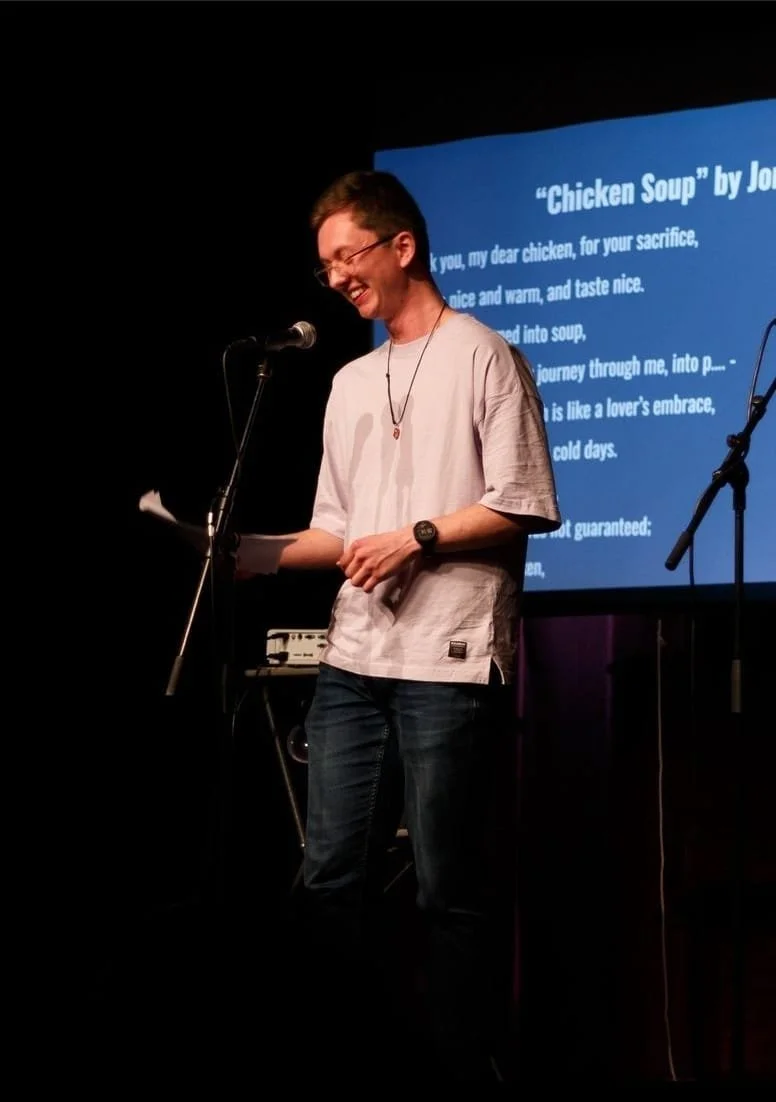
What message are you hoping to bring across to your readers?
In both life, and poetry: Try to stay open minded. Life is a lot more fun and interesting when you look at things from different perspectives. Listen to people and what they have to say. Ask questions. Oftentimes, the questions people ask say a lot more than answers.
The Forgotten Sisters Behind ‘Happy Birthday to You’
The forgotten sisters behind ‘Happy birthday to you’ article by Kellie B. Gormly all but copy-pasted for mine on Double Dutch magazine!
Thank you, Tim, and Goddesses rest your soul xxx
It’s mine, today :) 52… Because I’ve got an at home dinner and movie date with my love I’ll all but copy-paste a beautiful article by Kelly B. Gormly I found about the origins of the iconic ‘Happy Birthday to You’ tune today and return to my 50 euro bottle of Sake birthday gift. Cheers!
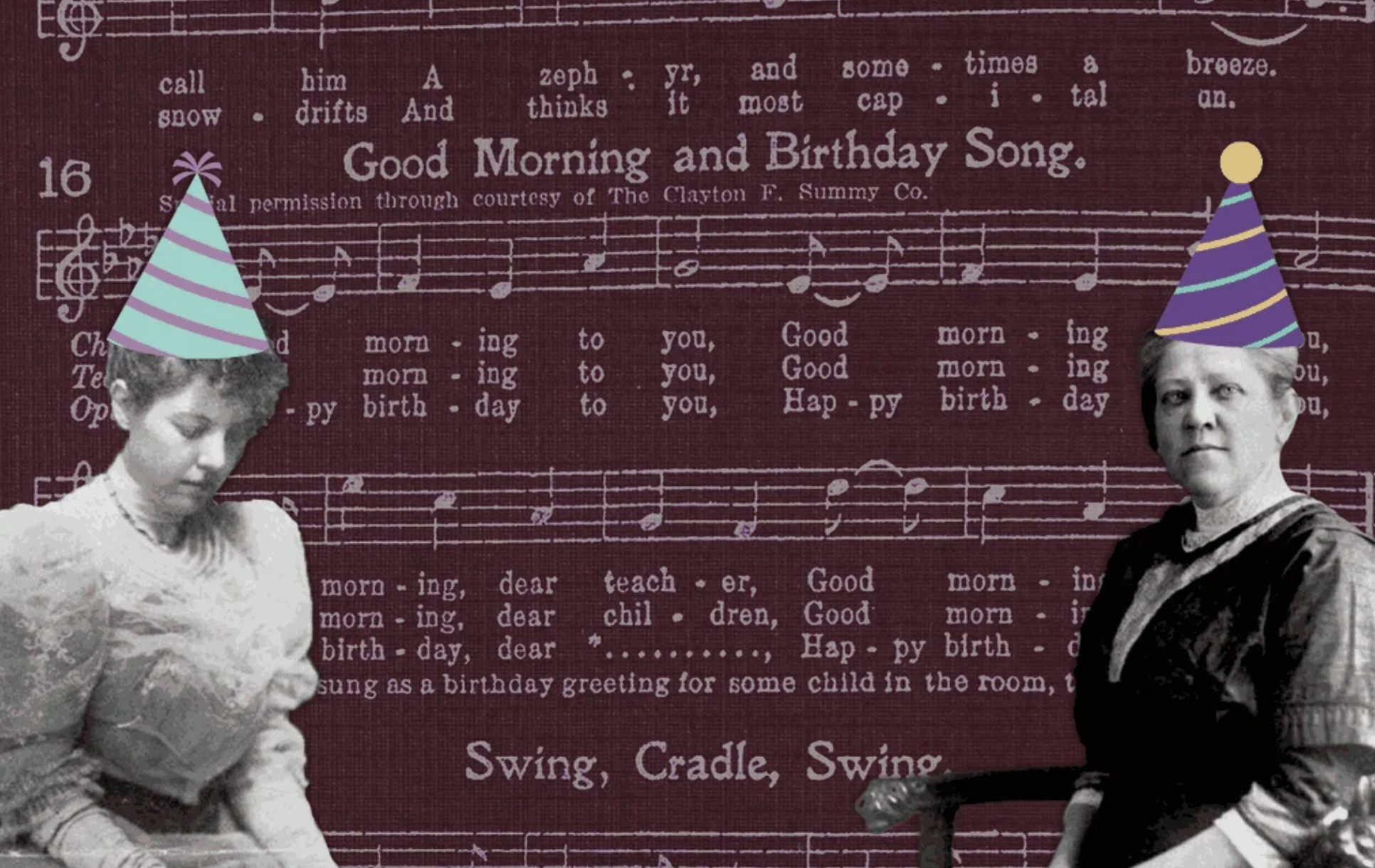
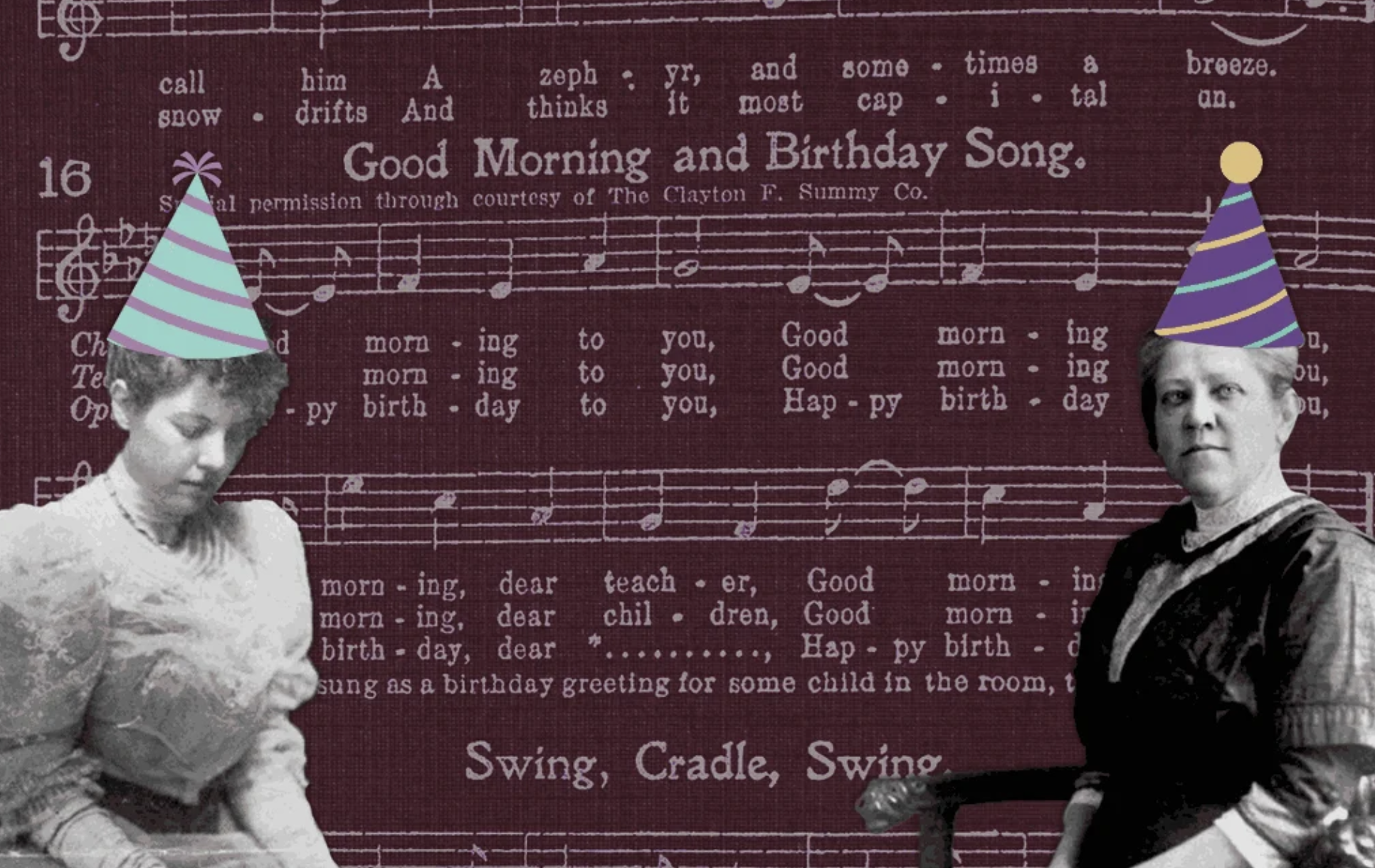
For the past century, people of all ages have sung a four-line jingle to mark their loved ones’ birthdays. But few know the names of the siblings behind this ubiquitous tune: Mildred Jane Hill, a renowned musician and songwriter, and Patty Smith Hill, a pioneer in early childhood education.
The surprisingly tangled history of “Happy Birthday to You”—described by Guinness World Records as the most frequently sung English-language song—begins in 1893, when the Hill sisters co-wrote and published a tune called “Good Morning to All.” Their goal, Patty later recalled, was to craft songs that expressed “those words and emotions and ideas fitted to the limited musical ability of a young child.”
Patty tested out the song, set to the same melody as “Happy Birthday,” on her kindergarten students in Louisville, Kentucky. The lyrics went like this: “Good morning to you / Good morning to you / Good morning, dear children / Good morning to all.”
How and when did these lines morph into “Happy Birthday”? Theories abound, but an element of the unknown persists. In Louisville, locals often trace the shift to the Little Loomhouse, a cabin that now houses a nonprofit fiber arts organization.
“The story goes that one or both of the sisters were at a birthday party at the summer cabin, and that’s where the lyrics were changed,” says Mick Sullivan, a curator at Louisville’s Frazier History Museum, which features a panel on the Hill sisters in its “Cool Kentucky” exhibition. “One of the points of the song was that you could just change it. Instead of ‘Good Morning to All,’ if it was Friday, they might say, ‘Good Friday to You.’”
Sullivan adds, “Children change lyrics all the time.” Consider, for instance, a popular parody of the birthday song: “Happy Birthday to you / You live in a zoo / You look like a monkey, / and you smell like one, too!”
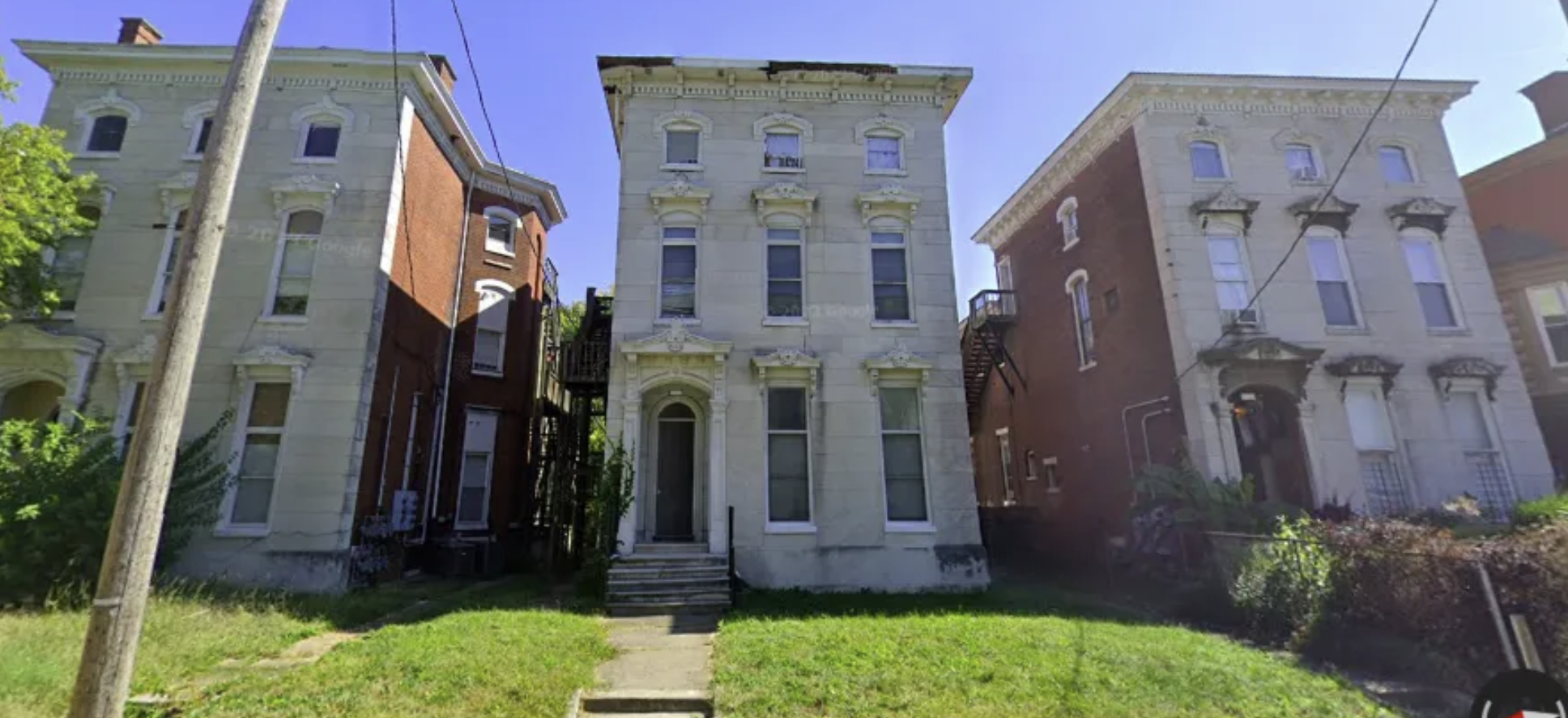
A Louisville house where the Hill sisters lived in their youth Courtesy of the Happy Birthday Circle
“If a history of music in Kentucky were being written, a large portion should be devoted to the music of the Negro in our state,” Mildred wrote in a late 19th-century essay. “The old Negroes, who alone know this music, are fast dying out, and it is sad that some effort is not made to secure it before it is too late.”
Patty, meanwhile, was one of the most important education reformers in the United States, serving as the first president of the National Association for the Education of Young Children and a professor at Columbia University. She designed and marketed teaching tools called Patty Hill blocks, which kindergarteners used to build large play structures.
“What are you going to accomplish academically as a kindergartner?” Sullivan asks. The progressive philosophy “was about being with other kids and sharing that experience, [learning] cooperation and things that required multiple hands to do. That [approach] was really ahead of its time when you think about it.”
Mildred died in 1916 at age 56, long before her birthday composition’s meteoric rise to fame. Patty died in 1946 at age 78. The Hill sisters are buried near each other at Cave Hill Cemetery in Louisville.
In the 1920s, variations of “Happy Birthday,” set to the tune of “Good Morning to All,” appeared in several songbooks, including a 1924 one edited by Robert H. Coleman. As the song gained traction, even appearing in movies and aBroadway musical, Mildred and Patty’s youngest sister, Jessica Mateer Hill, decided to push back against unregulated use of the tune. In 1935, Jessica authorized the Clayton F. Summy Company, which had published the original Song Stories for the Kindergarten, to release a new copyrighted arrangement of “Happy Birthday.”
Decades of copyright disputes and lawsuits followed, with Warner Chappell Music—the music publisher that inherited the claim—fighting to retain the rights to the lucrative song. In 2016, a judge approved a settlementthat officially put “Happy Birthday” in the public domain.
In Louisville, the Happy Birthday Circle has raised $100,000 of the $8.7 million needed to build a public tribute to the Hill sisters at Waterfront Park. The project’s target groundbreaking date is 2026. The planned site—also called the Happy Birthday Circle—would feature a pavilion, a memorial and a picnic grove. It would be located under the Big Four Bridge pedestrian walkway, which connects Louisville to Jeffersonville, Indiana.
More than one million people cross the bridge annually, making it “a really great place to memorialize the Hill sisters, who have never been claimed by Louisville as the authors of the ‘Happy Birthday’ song,” says Rightmyer, who currently chairs the Happy Birthday Circle’s capital campaign. “We ask people in Louisville, ‘Do you know who wrote the “Happy Birthday” song?’ Maybe nine out of ten of them don’t. It’s the most sung song in the world.”
Read the entire article here?
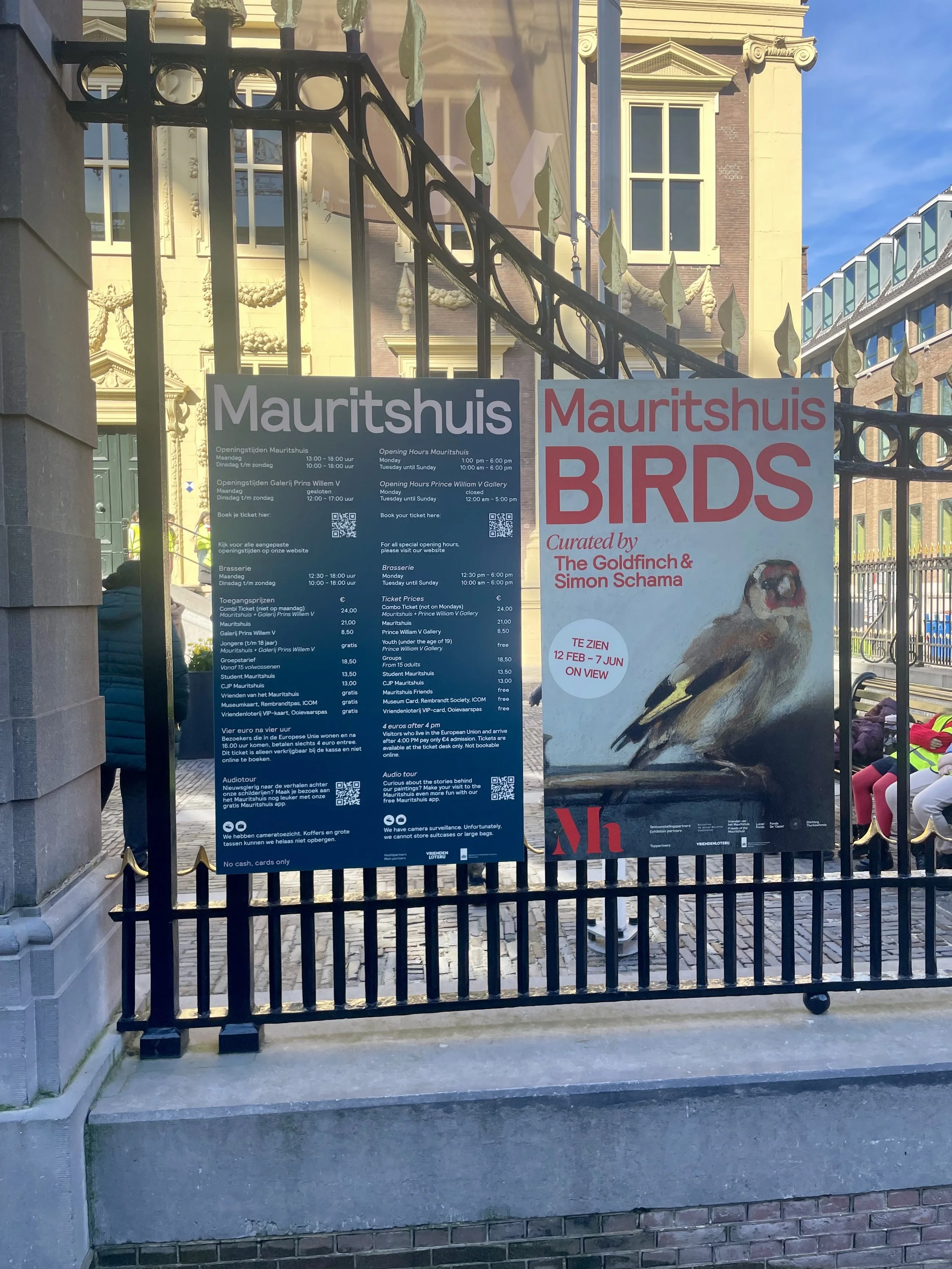
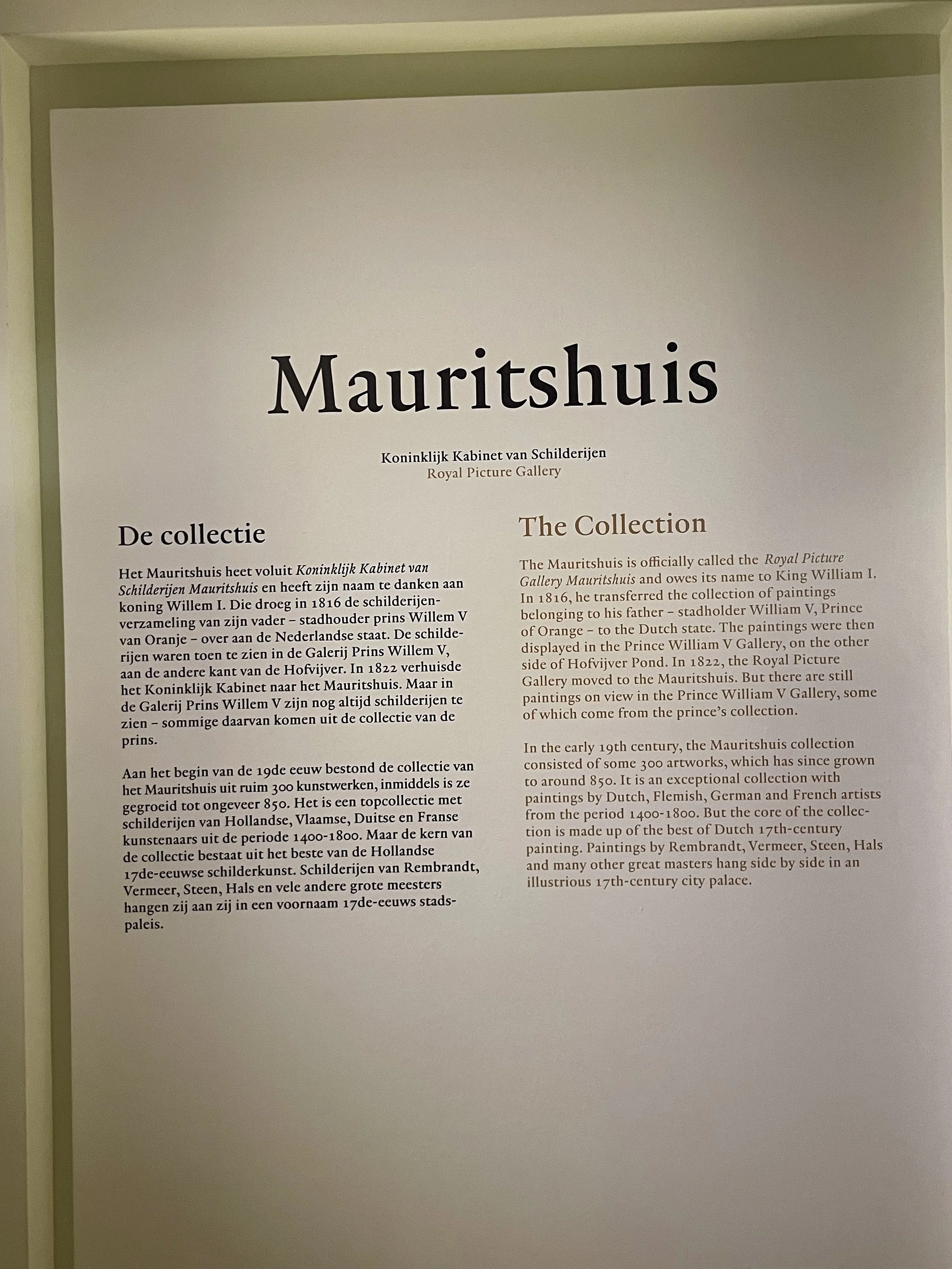
Our field trip to the Mauritshuis!
Our field trip to the Mauritshuis in March of 2026 as featured on Double Dutch magazine!
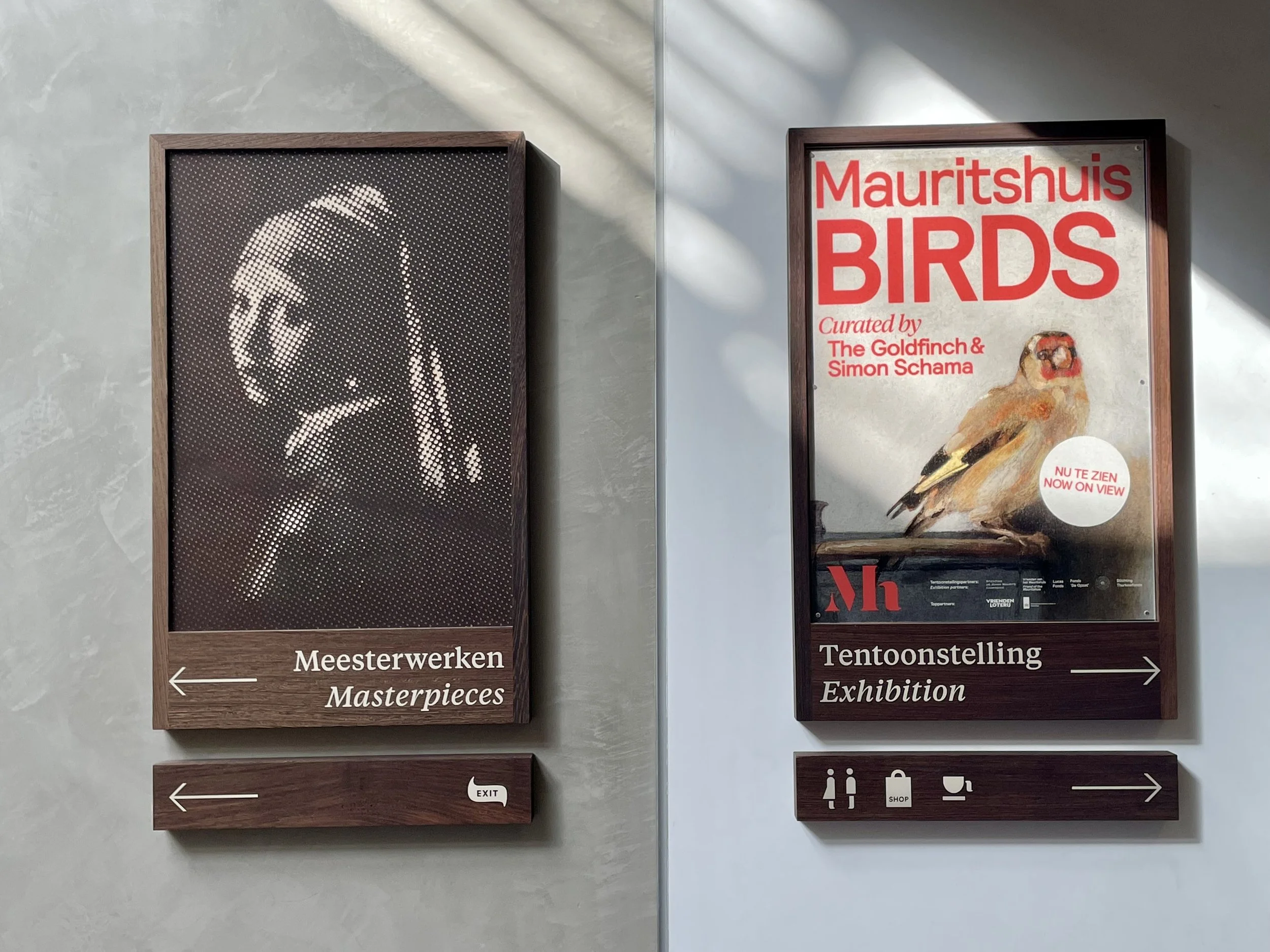
Where Sander, Jasper and Frans went to see Jericho by Anselm Kiefer for themselves last December, My love and I (Benne) went on a field trip of our own to the Mauritshuis in March of this year :) We got 2 exhibitions for the price of one! Here’s some highlights from both:
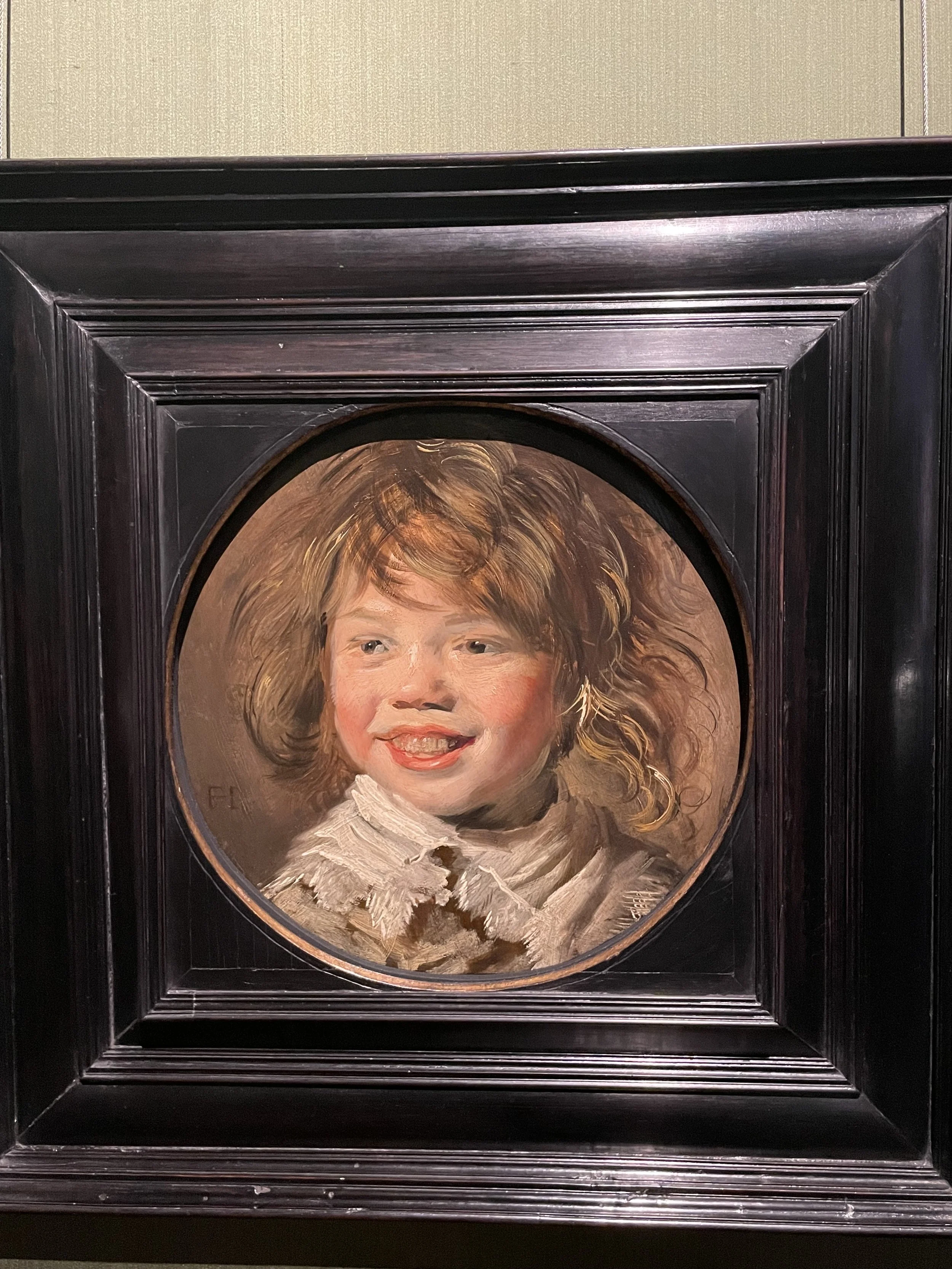
By:
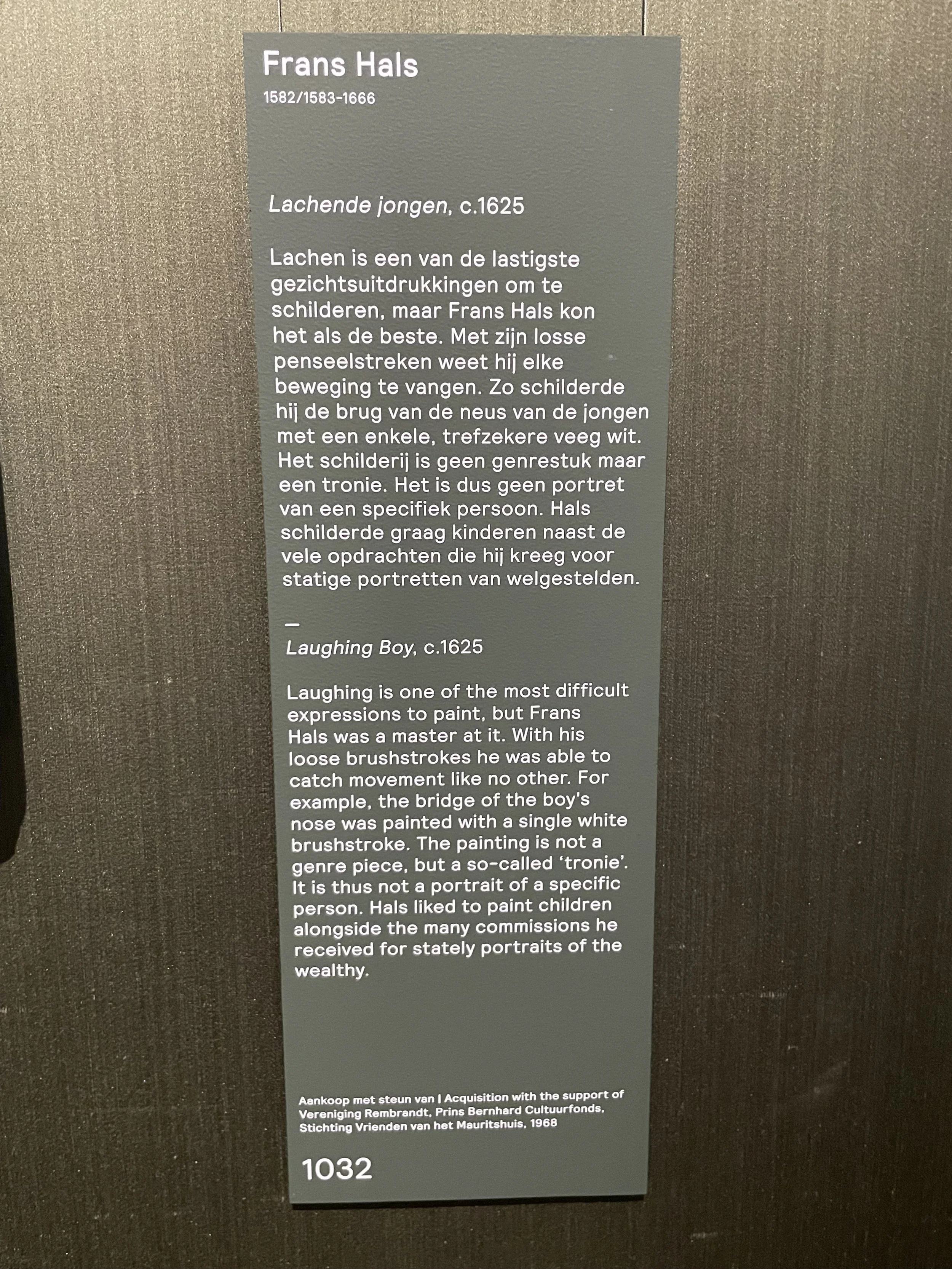
Click on the image to go to the Frans Hals Museum!
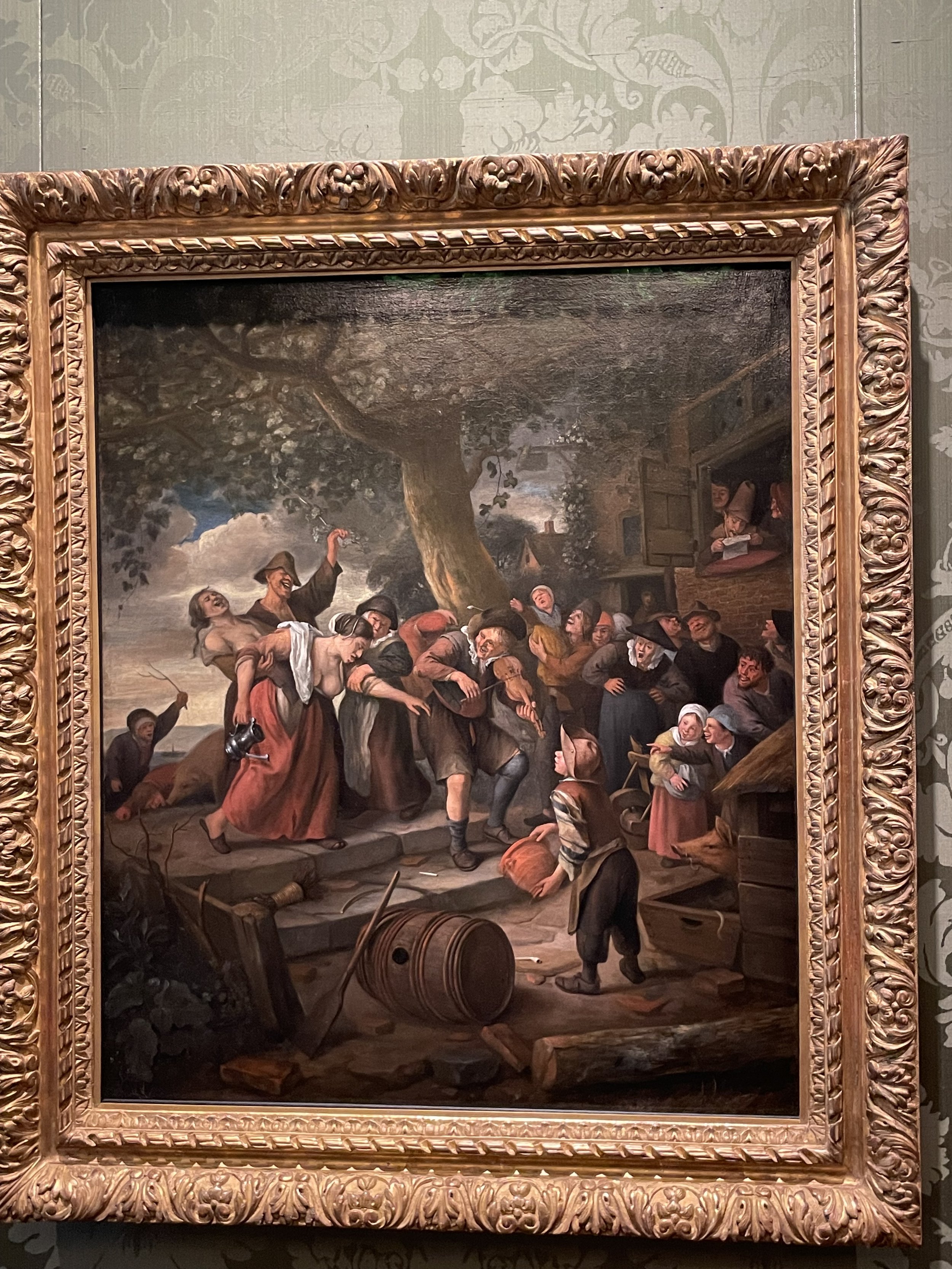
By:
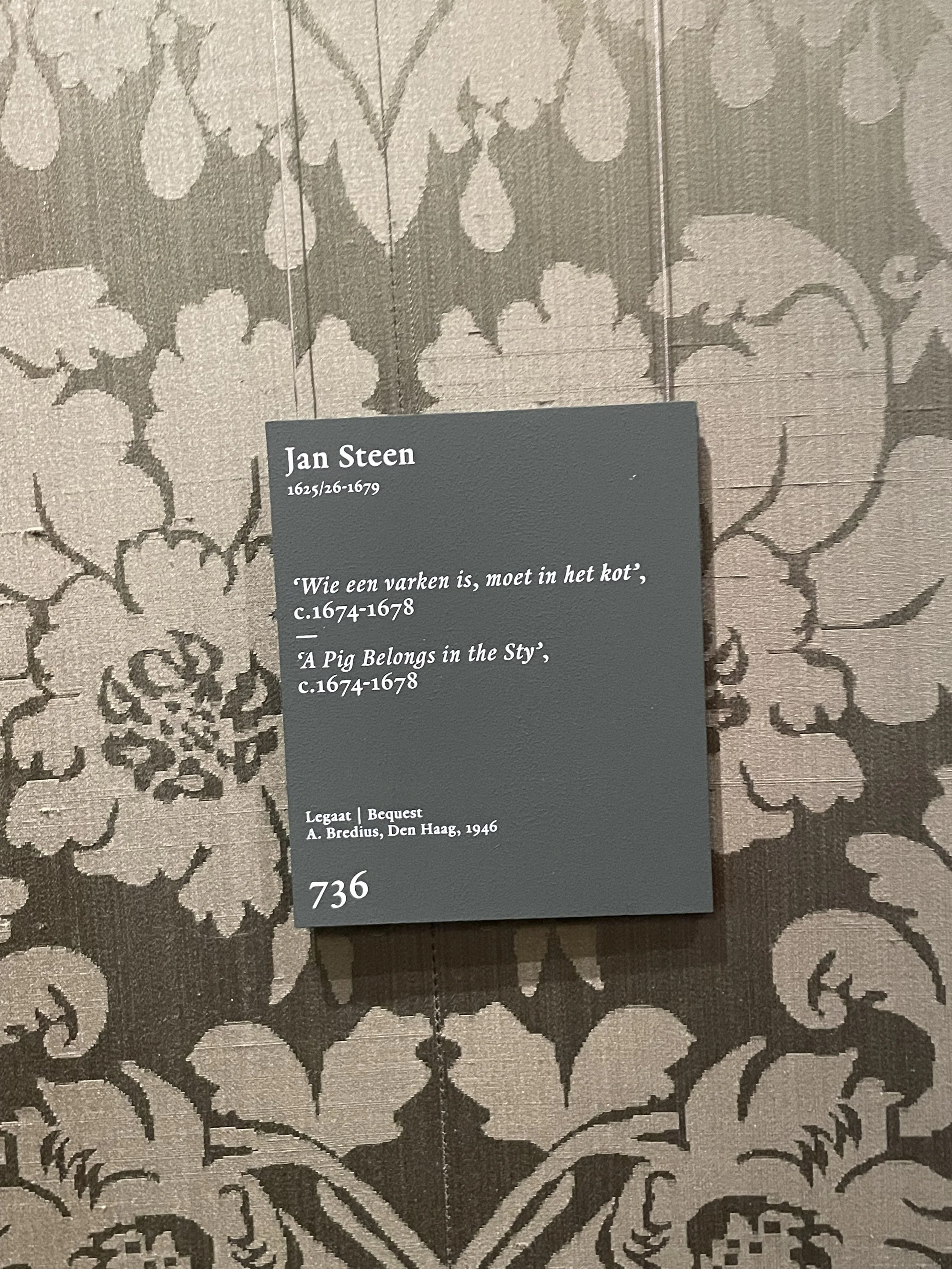
Click on the image to go to an exhibition about the life and work of Frans Hals in the Lakenhal Museum!
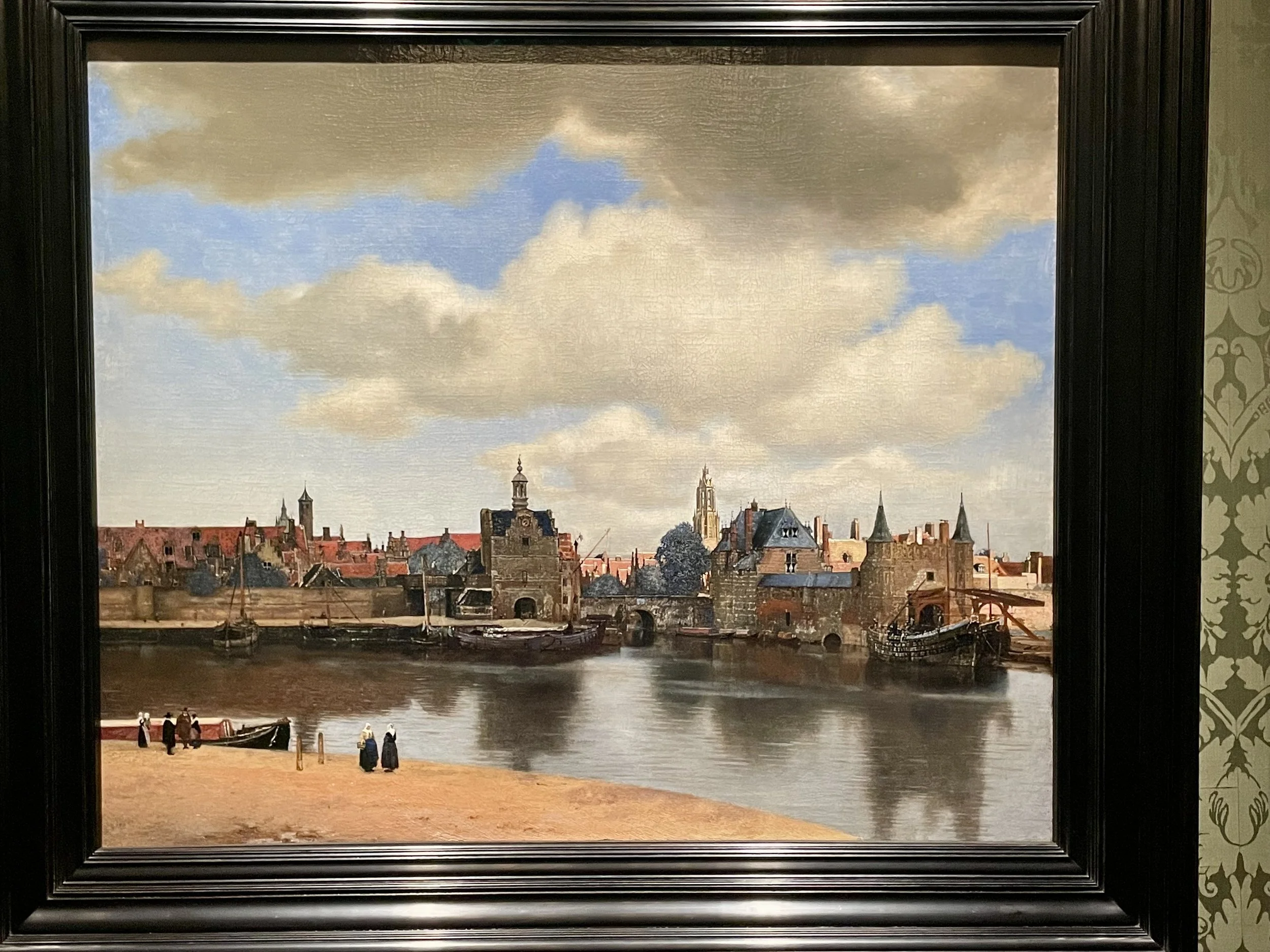
By:
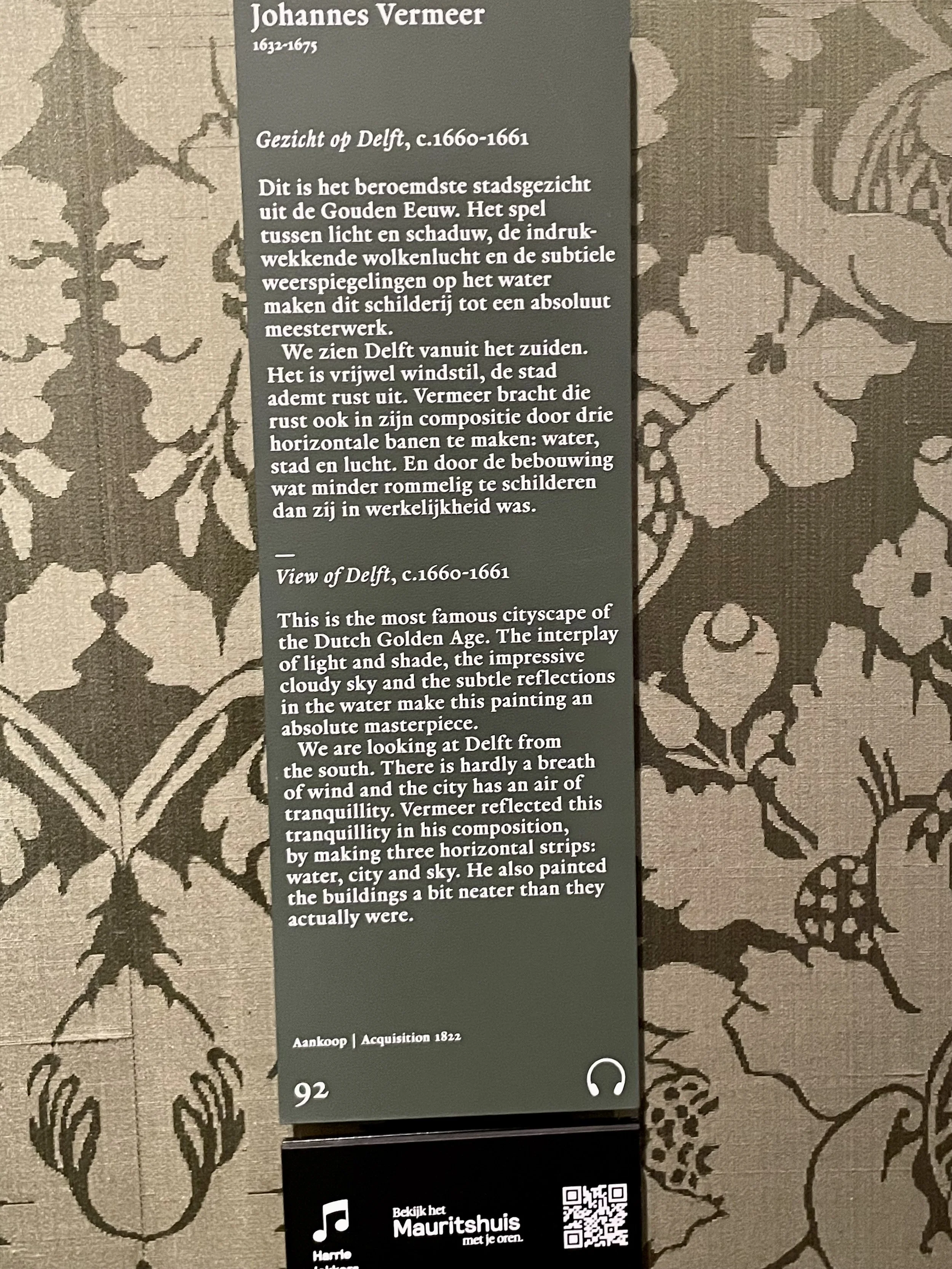
Click on the image to go to an exhibition of him at the Rijksmuseum!
Click here for Vermeer’s most famous work and here please for a gorgeous little Rembrandt (both spoilers for our upcoming third issue)!
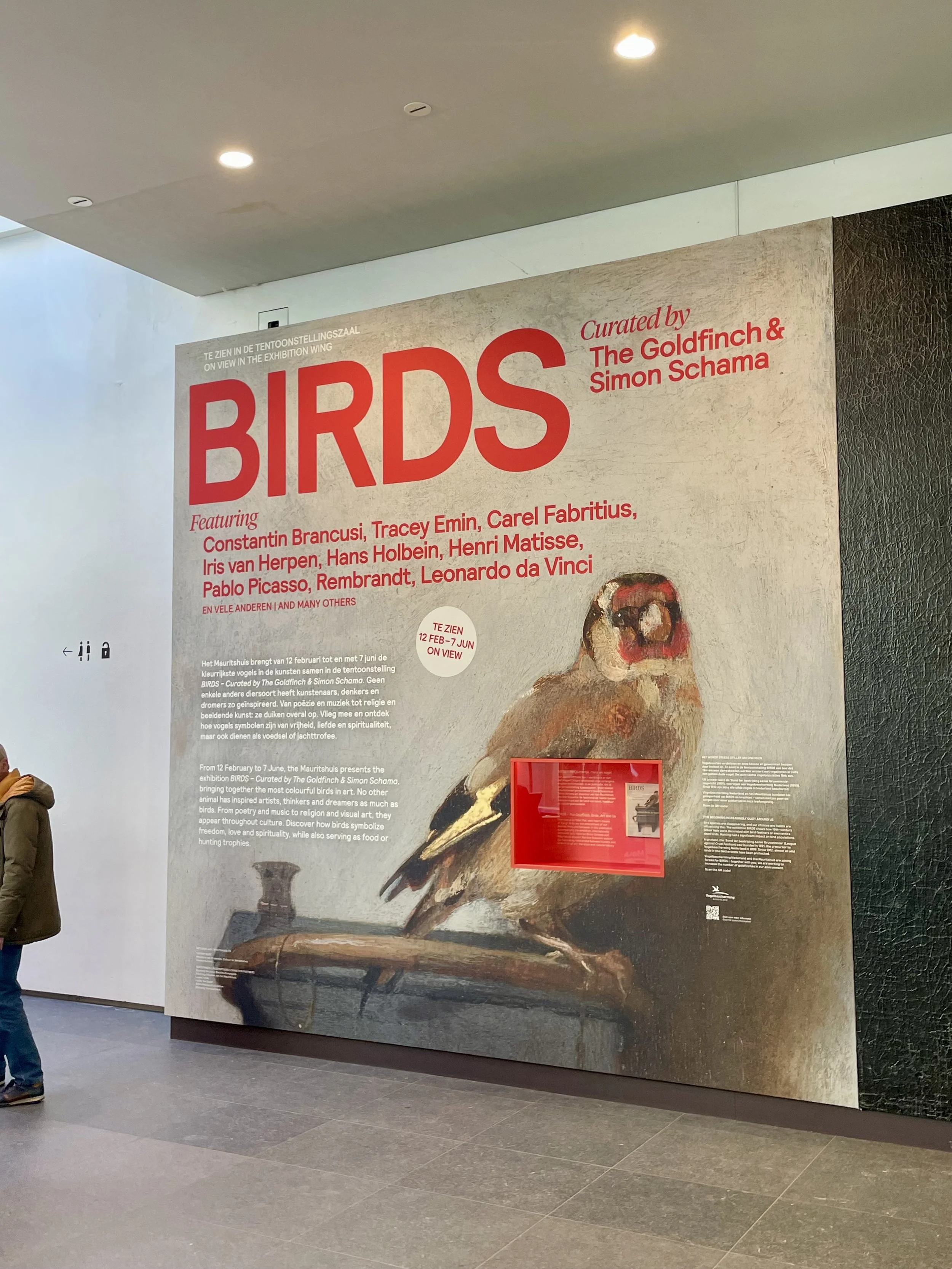
With pieces by but not limited to:
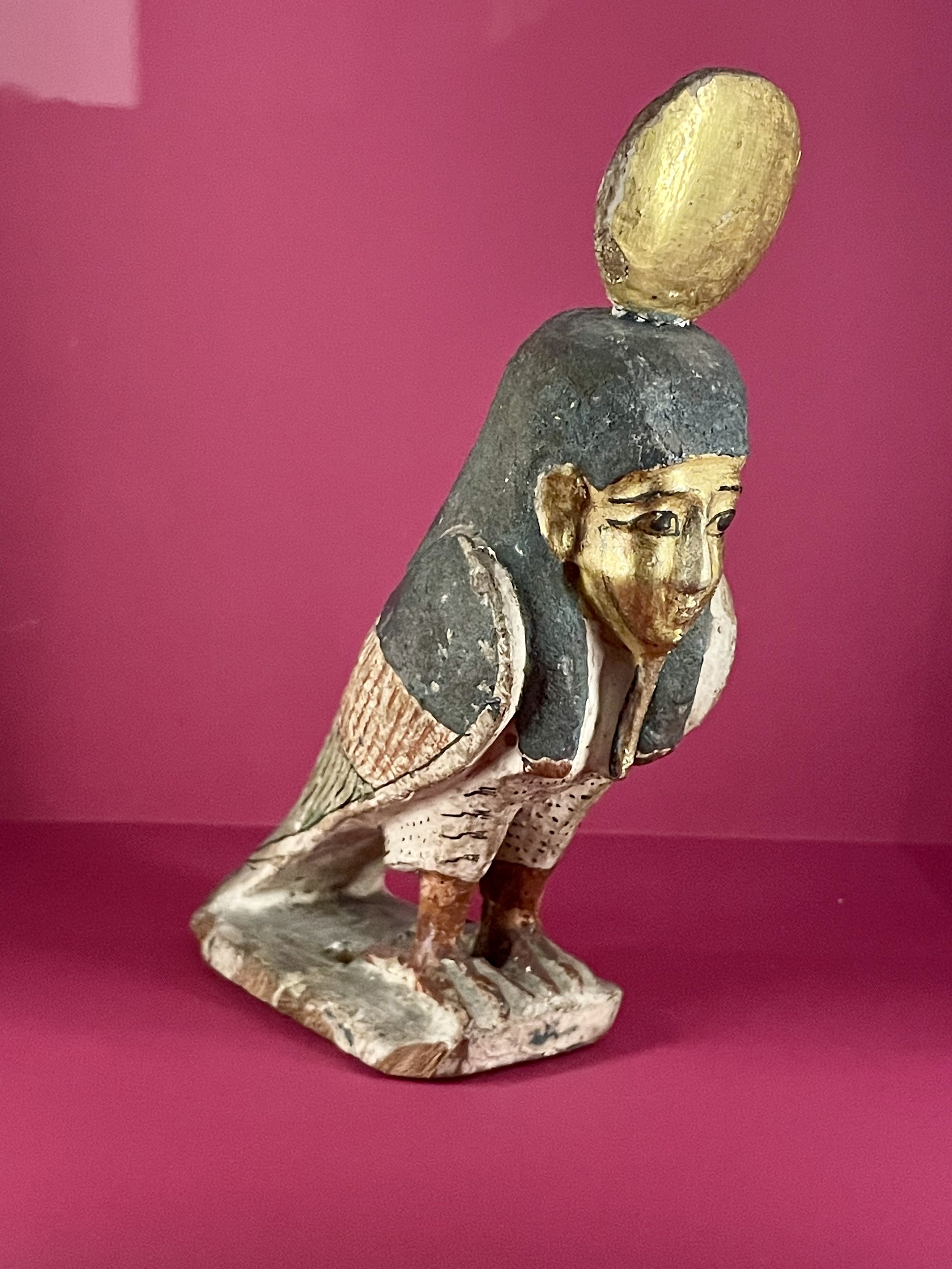
Is a:
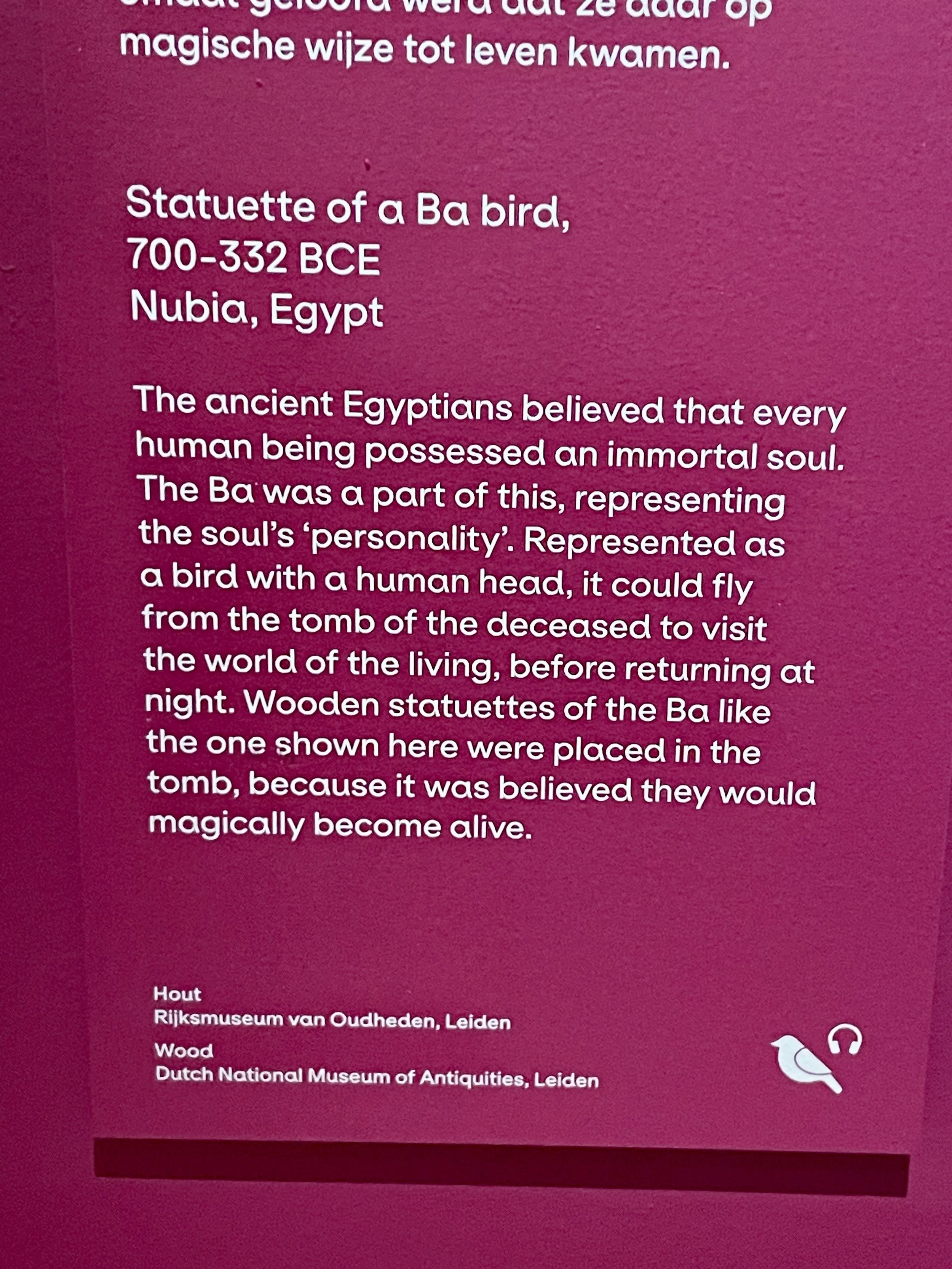
Click on the image for an informative video about the Ba bird!
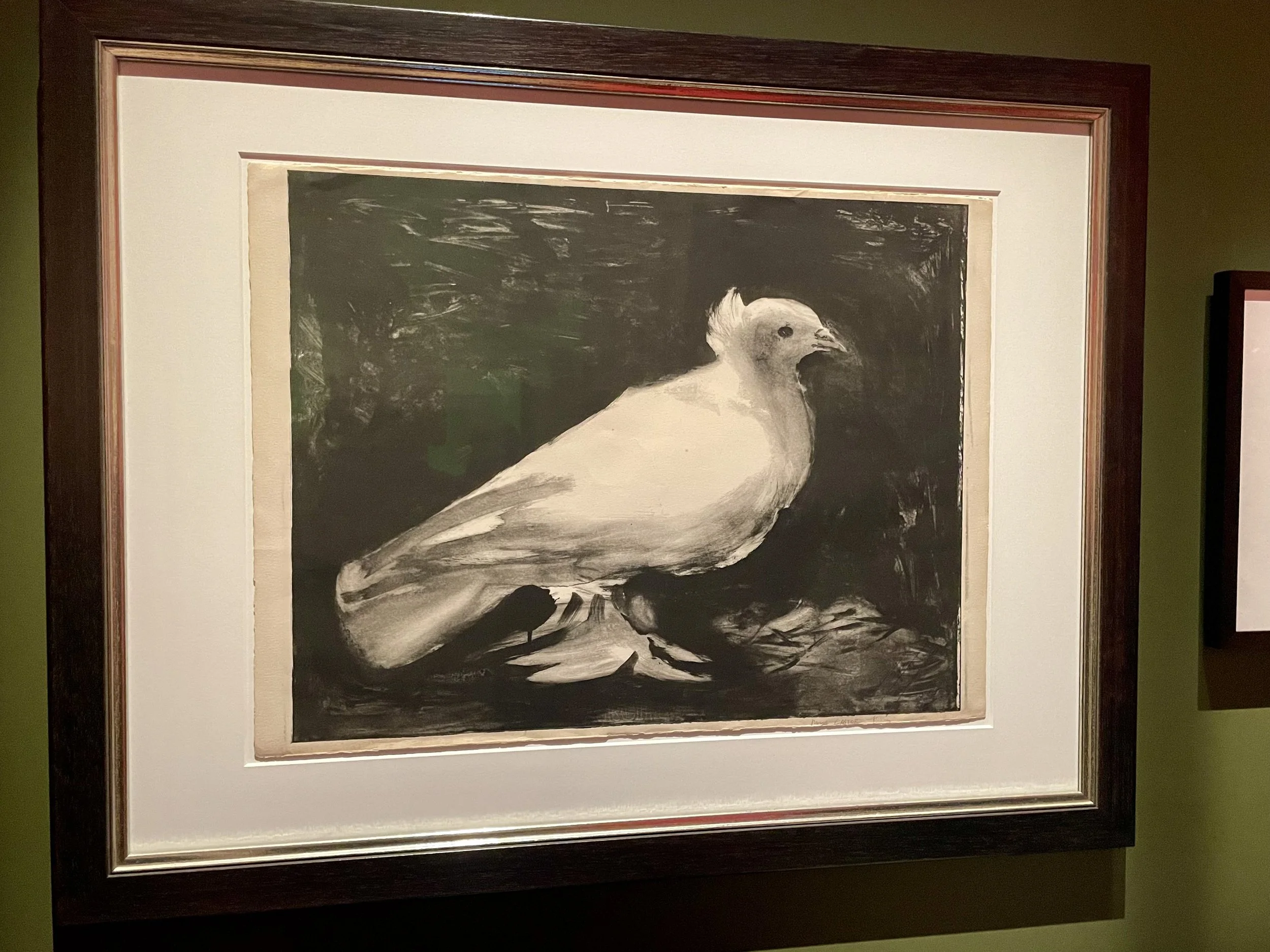
By:
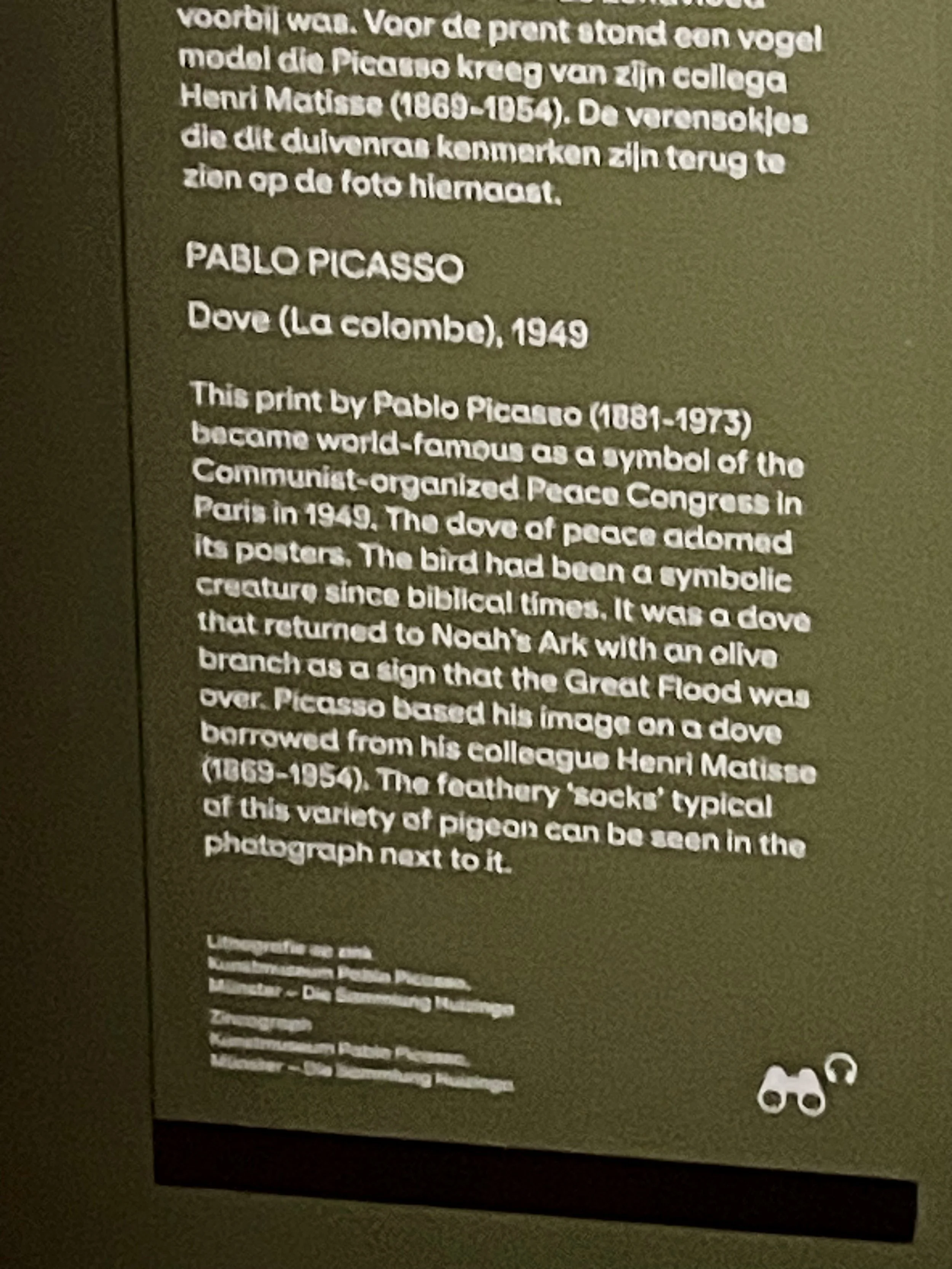
Click on the image to go to Pablo’s Wiki page!
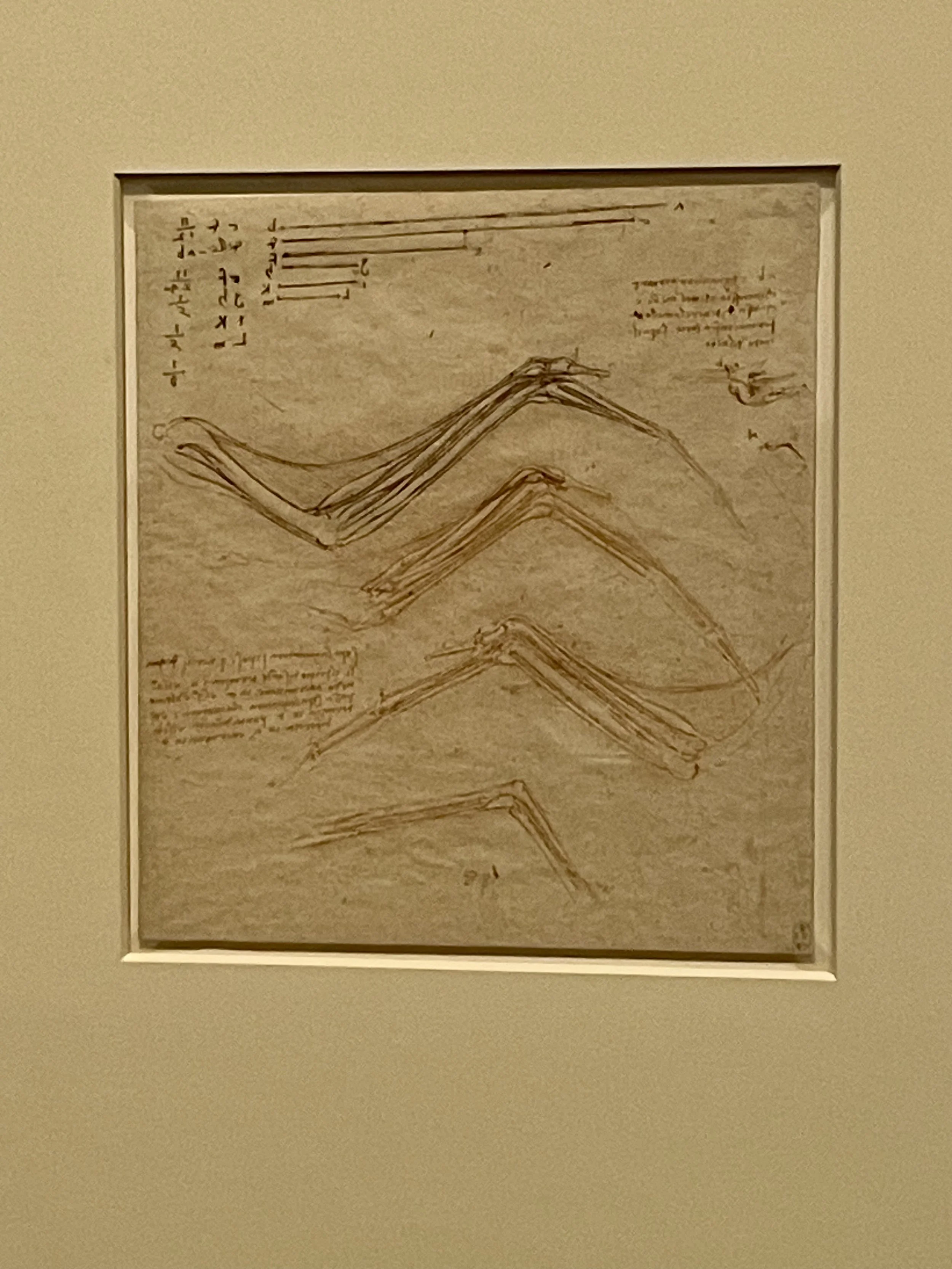
Could only be by:
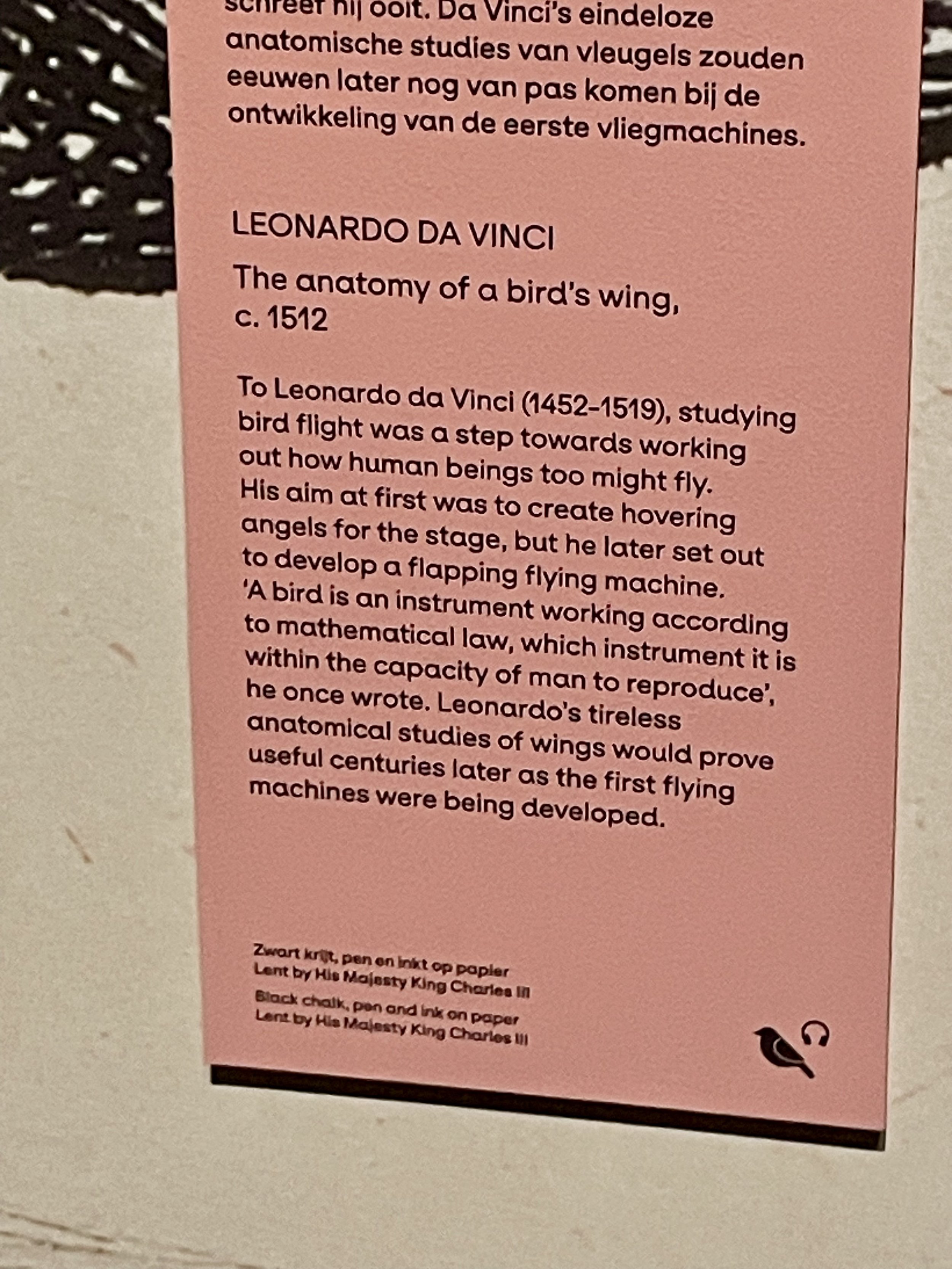
Click on the image to go to a website dedicated to Da Vinci!
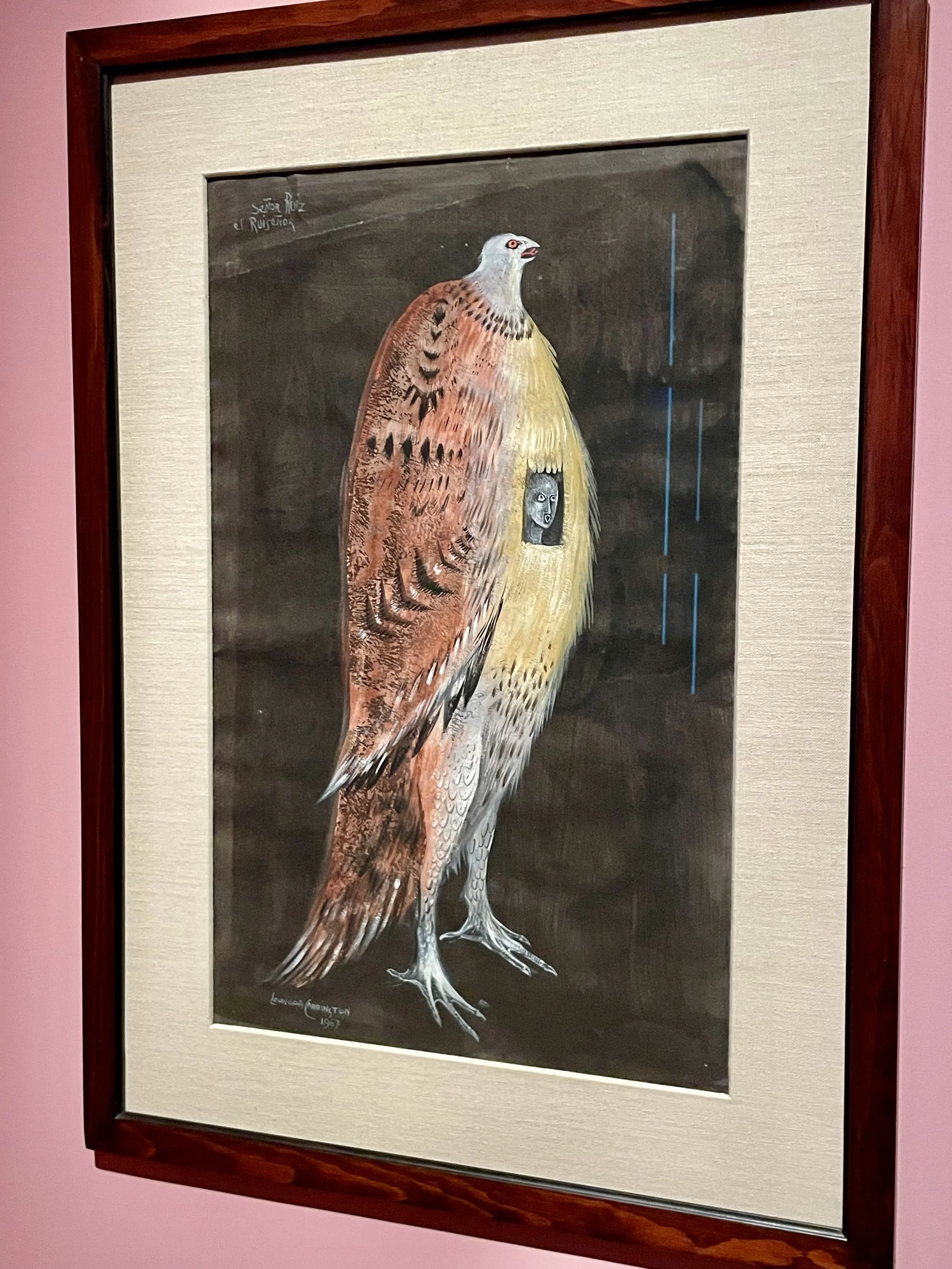
By:
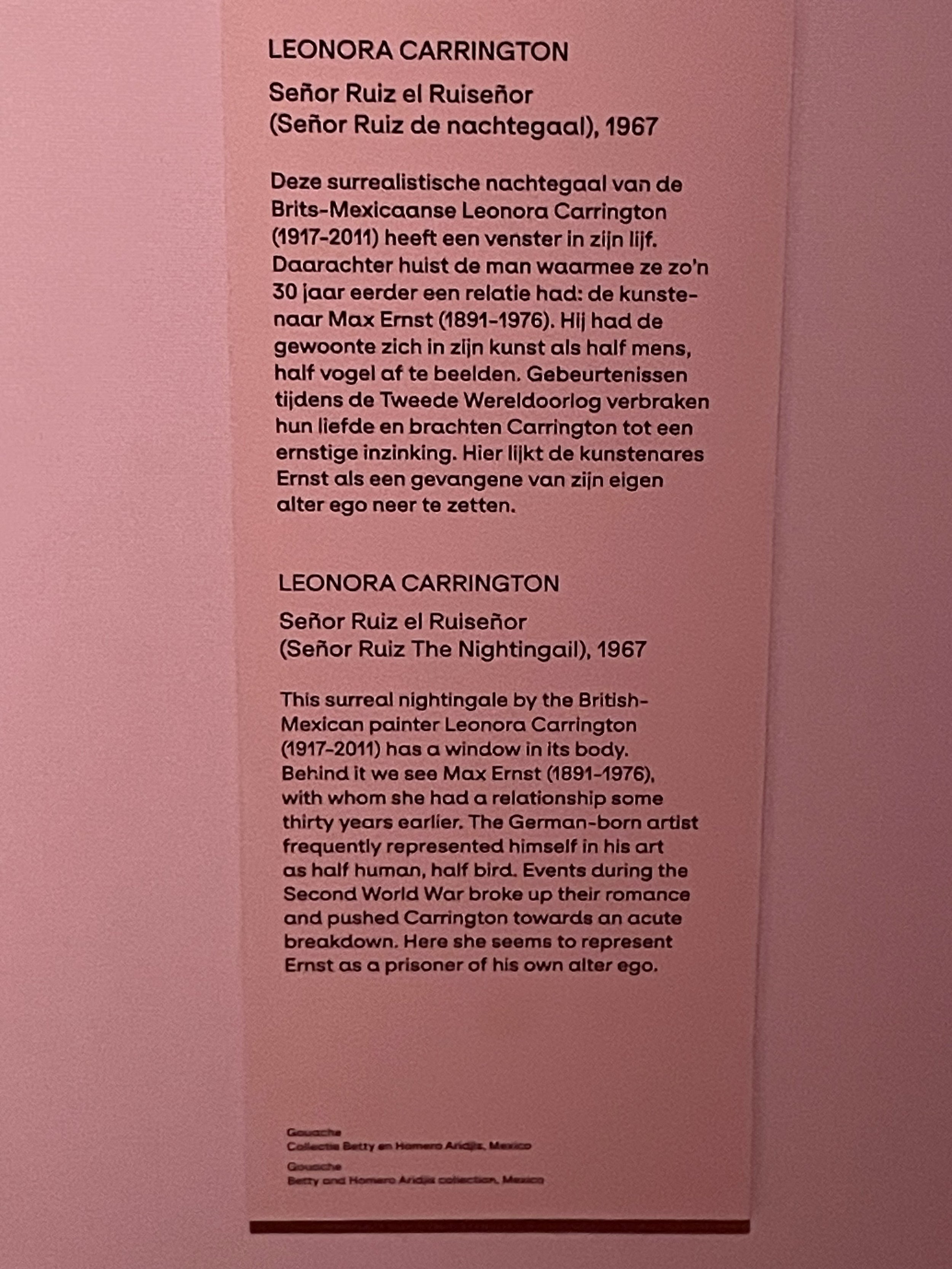
Click on the image to learn a lot more about her!
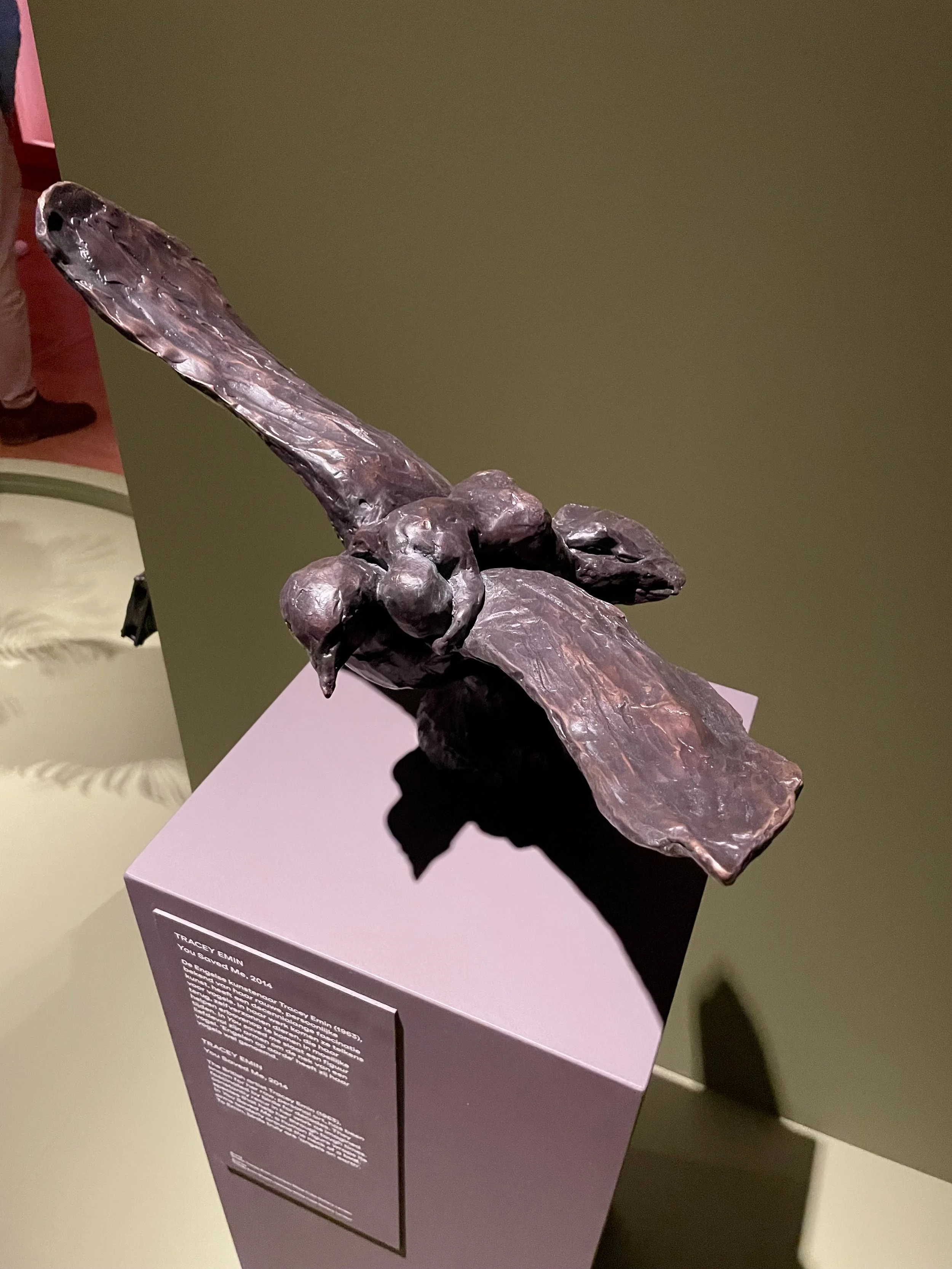
By:
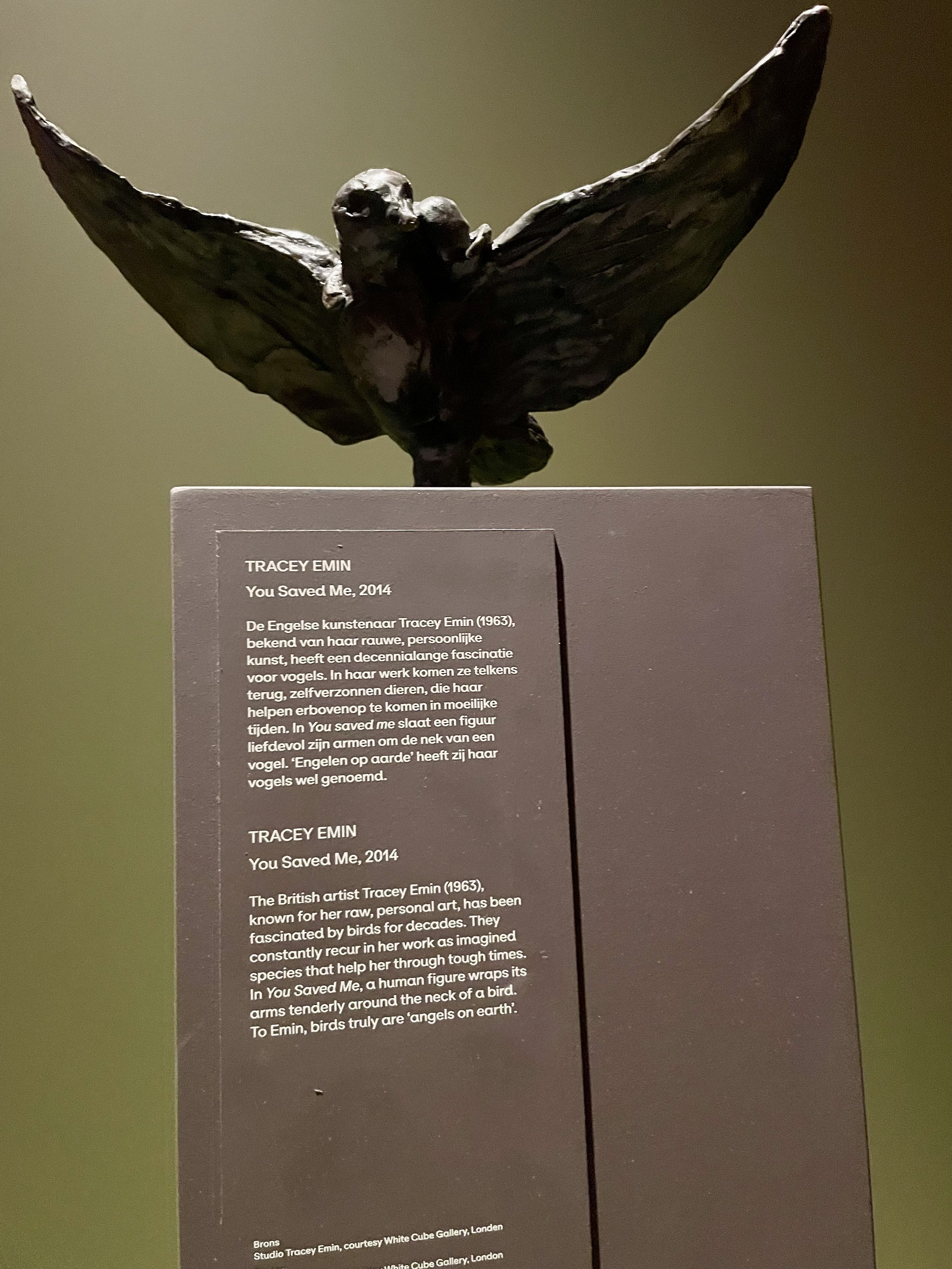
Click on the image for an exhibition of her work at the Tate Modern!
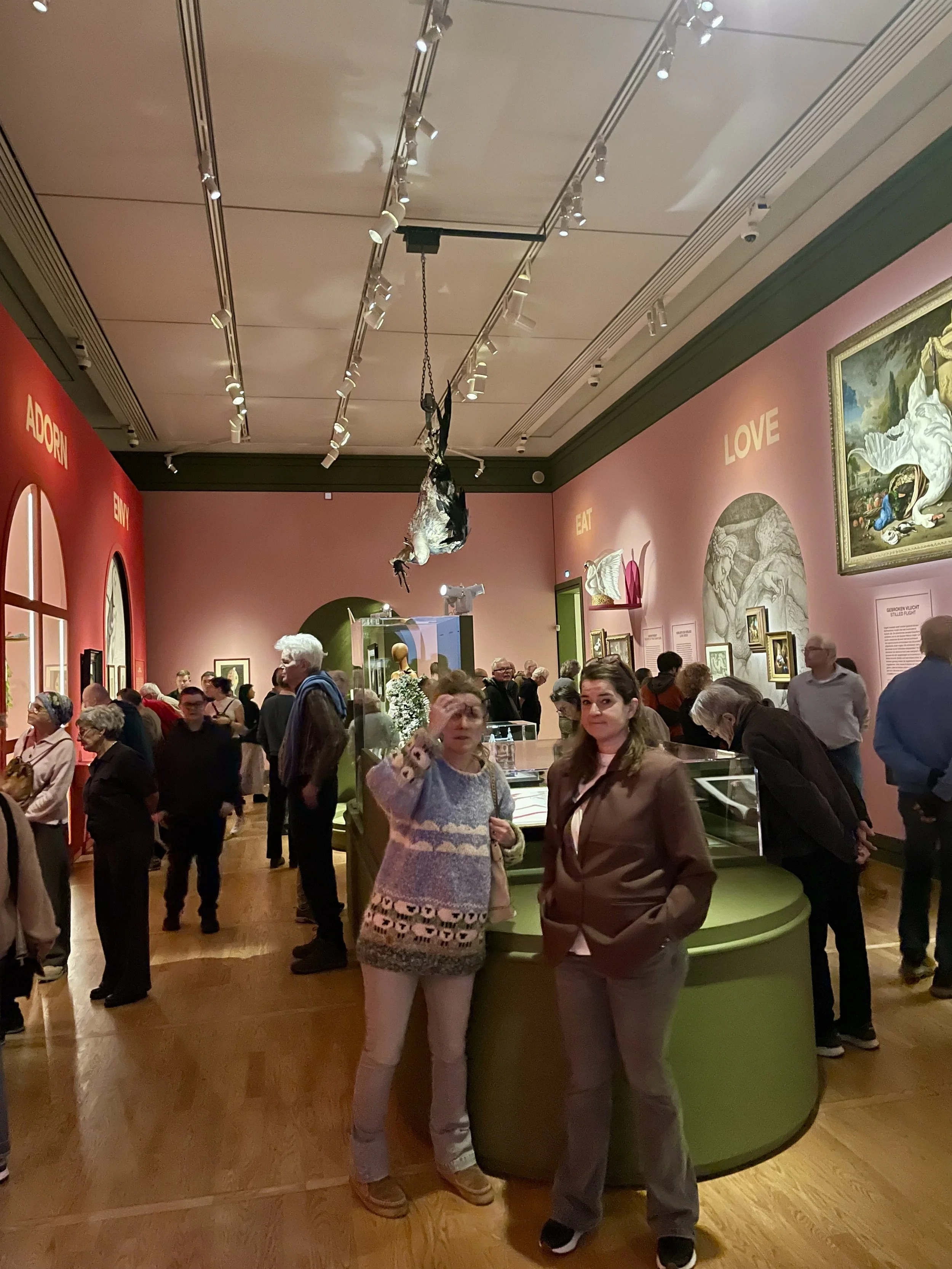
I did not ask for permission!